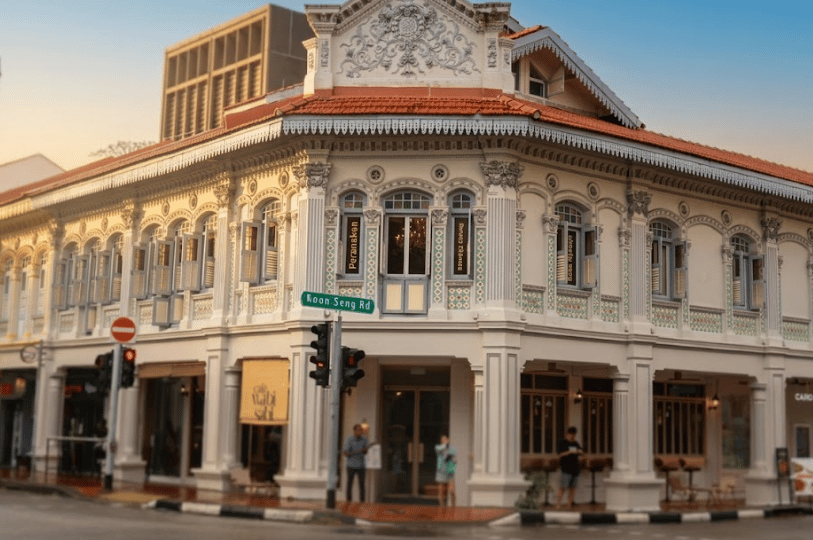
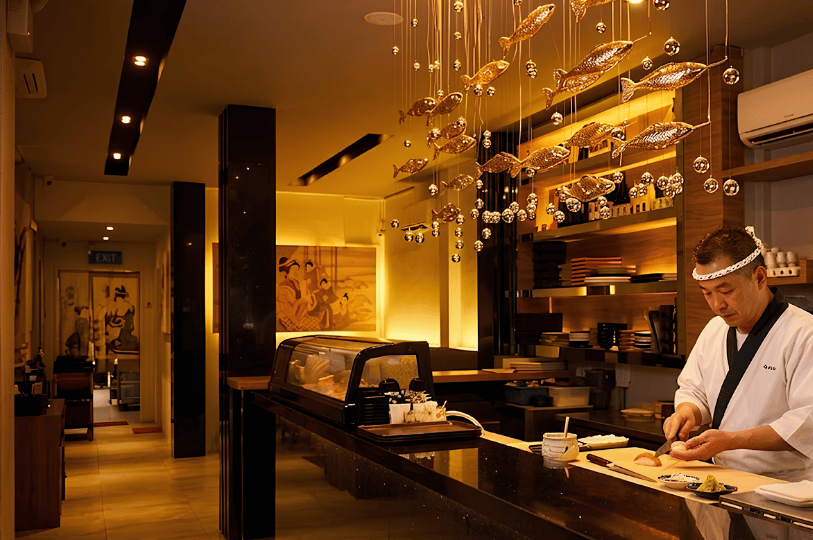
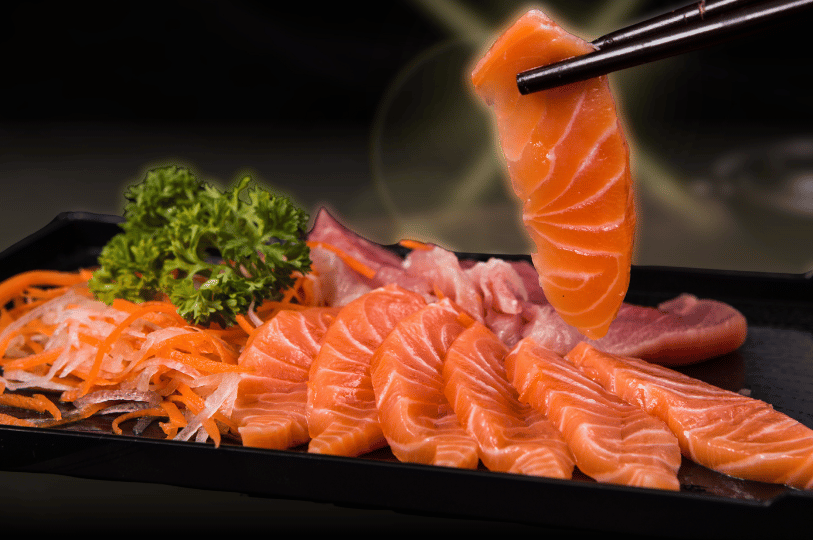
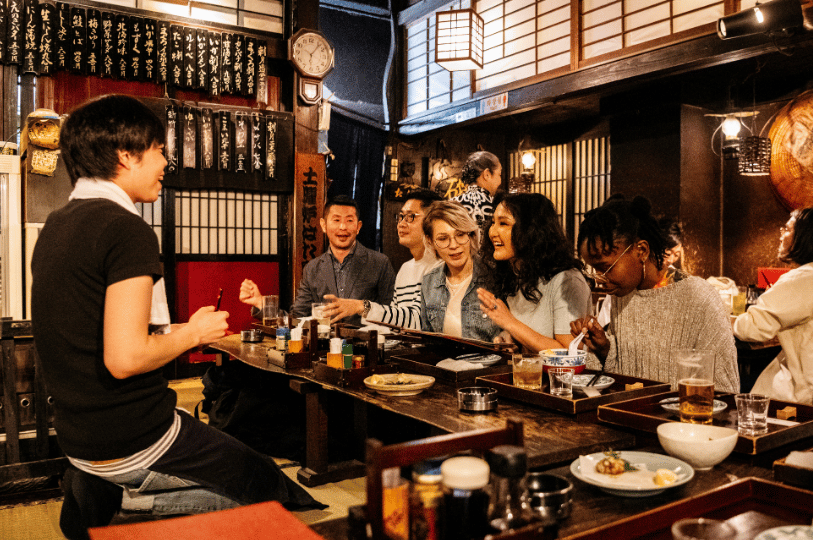
I vividly remember the first time I truly understood the appeal of neighborhood Japanese dining. I was walking down Joo Chiat Road on a sweltering Tuesday evening. I had just survived a brutal workday. My brain was fried. The thought of navigating a crowded, noisy hawker centre for a heavy plate of noodles felt exhausting. I needed something clean, precise, and quiet. I slipped into a small, unassuming izakaya tucked between the colorful shophouses. I sat at the wooden counter, ordered a cold beer, and watched the chef slice incredibly fresh salmon with a knife sharper than my mother’s critiques.
In that moment, it clicked. This is exactly why Japanese food thrives in East Coast Singapore. We live in a city obsessed with intense, heavy, and spicy flavors. But Japanese food offers a completely different rhythm. It focuses on the meticulous preparation of fresh ingredients, a deep respect for seasonal produce, and distinct, disciplined techniques.
If you are navigating the food scene in Katong or Joo Chiat, you have probably noticed the sheer density of sushi bars, izakayas, and ramen joints. Today, I am going to break down exactly how to navigate this world. I will show you how to order, what to expect, and how to avoid making rookie mistakes.
Why East Coast Singapore Is a Japanese Food Haven for Japanese Food East Lovers
East Coast Singapore is famous for its culinary diversity, with everything from legendary laksa to artisanal sourdough. Yet, Japanese food east of the city has carved out a massive, permanent slice of this neighborhood’s vibrant food scene.
What makes Japanese cuisine so fundamentally different from our local fare is the restraint and focus on fresh sashimi and sushi bar experiences. While a bowl of curry relies on a loud symphony of twenty spices, a piece of premium nigiri needs only three things: perfectly vinegared rice bowls, a dab of fresh wasabi, and an impeccable slice of fish. This simplicity and balance create a delicious, clean taste profile that refreshes the palate and satisfies the craving for authentic Japanese cuisine.
Busting the Myths: Is Japanese Food East Always Expensive or Raw?
I hear the same complaints all the time. People avoid Japanese food east restaurants because they think it will bankrupt them or because they simply do not like raw fish. Let us clear this up.
First, the idea that all Japanese food east is raw fish is false. Yes, sushi and sashimi are global superstars, but Japanese cuisine offers a wide variety of cooked dishes. If raw fish isn’t your thing, you can enjoy steaming bowls of rich chicken broth ramen, crispy tempura, grilled unagi (eel), or a comforting chicken katsu donburi rice bowl. For another comforting cooked option, Singapore Best Restaurants’ article on Exploring The Best Japanese Curry Singapore Offers is a helpful reference for exploring rich, saucy Japanese curry beyond the usual sushi-focused choices.
Second, the assumption that Japanese food east is always expensive is a misconception. Singapore offers a spectrum of pricing. You don’t have to break the bank for a delicious meal. Family-friendly sushi bars and conveyor-belt sushi outlets offer fresh sashimi and sushi dishes at affordable prices. For example, Sushi Tei in the East Coast area serves a variety of fresh sashimi and sushi at moderate prices, perfect for casual dining.
How to Order Like You Know Your Japanese Food East
First-timers often face menu anxiety when confronted with a sushi bar menu filled with unfamiliar fish names. My advice: look for places with English menus or ask the staff for guidance. The Sushi Bar at Katong is a great example, their friendly staff help you choose from a wide menu of delicious seafood dishes.
When I dine at a sushi bar, I follow this progression:
-
Start light: Salted edamame or a crisp seaweed salad awakens the palate with fresh, clean flavors.
-
Move to nigiri: Begin with tender, fresh sashimi like snapper or yellowtail, then progress to richer cuts such as salmon or tuna belly.
-
Bring in rolls: Maki rolls add texture and variety to the meal.
-
Finish warm: A serving of crisp tempura or a bowl of soothing miso soup rounds off the experience.
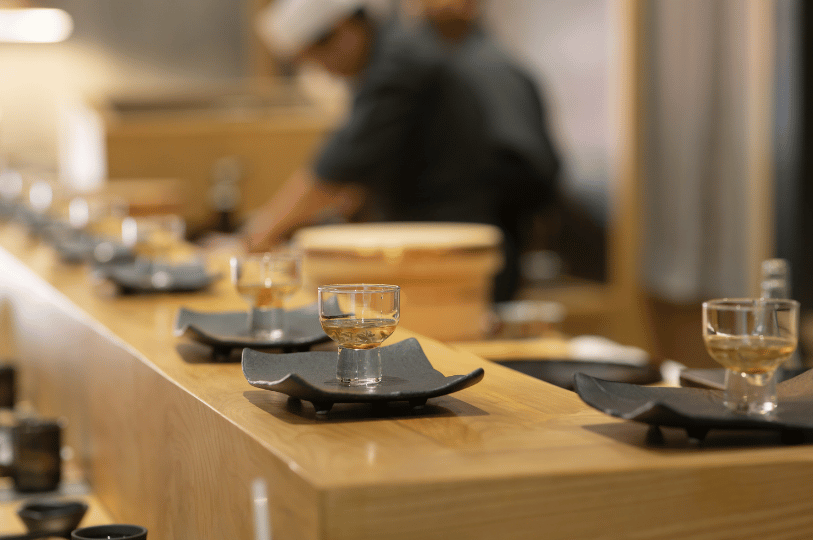
A Fanatic Tip: Pair your meal with a crisp Japanese beer or a dry sake to elevate the flavors and complete your Japanese food east experience.
The Real Cost of Enjoying Japanese Food East in Singapore
Here’s a breakdown so you can plan your visit:
-
Affordable options: Casual sushi bars and outlets like Sushi Tei offer fresh sashimi and sushi dishes priced between SGD 10 to SGD 30 per person. These meals satisfy your appetite without hurting your wallet.
-
Mid-range: Izakayas like Izakaya Niningashi serve grilled yakitori skewers and sharing plates, perfect for a night out with friends or colleagues. Expect to spend SGD 30 to SGD 50 per person.
-
Premium: High-end omakase experiences, such as at Shinji by Kanesaka, showcase seasonal seafood flown directly from Japan. These exclusive dinners cost upwards of SGD 150 to SGD 300 per person and require reservations well in advance.
Timing matters too. Dinner between 7 PM and 9 PM can be chaotic. Arriving at 6 PM sets a more relaxed mood. For popular sushi bars, always check and book your table ahead to avoid disappointment.
Expert Insights: Quality, Craft, and Red Flags to Watch For
I’ve tasted my share of disappointing sushi, and I want to save you from that. Here are some tips:
-
Eat sushi in one bite: The chef crafts each piece for a perfect balance of fish, rice bowls, and wasabi. Splitting it breaks that harmony.
-
Respect the soy sauce: Dip the fish side lightly, not the rice, to keep the sushi intact. Use wasabi sparingly; the chef already applies the perfect amount.
-
Look for freshness: Fish should gleam with a translucent, glossy sheen. The rice should be slightly warm, sticky but not clumpy, seasoned with vinegar, sugar, and salt.
-
Avoid red flags: Dull fish or strong fish market smells mean the seafood isn’t fresh. Also, beware of pre-packed sushi sitting in chillers at supposed sushi bars. Fresh sushi is made to order.
At a high-end sushi bar or omakase counter, surrender control and enjoy the chef’s curated sequence of dishes. A simple “arigatou gozaimasu” shows respect and enhances the mood.
Beyond Sushi: Exploring Rice Bowls, Sushi Bar, Fresh Sashimi, and Signature Dishes
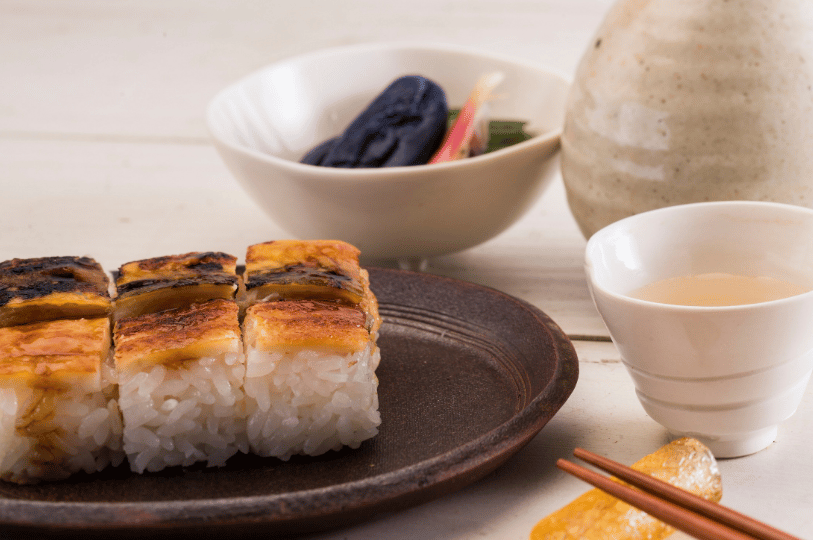
While sushi and sashimi are the stars, fresh sashimi and rice bowls are popular choices in Japanese food east. Dishes like unagi don, topped with grilled eel glazed in a sweet soy sauce, offer a tender, flavorful alternative that satisfies the appetite and warms the soul.
Many Japanese food east outlets also feature signature warm dishes such as chawanmushi (steamed egg custard) or miso soup, which provide a comforting finish to any meal. Enjoying these dishes alongside a glass of sake or a cold beer completes the experience and sets the perfect mood for any gathering, whether with family, friends, or colleagues.
One cannot truly appreciate the depth of Japanese food east without understanding the philosophy behind it, especially when it comes to the art of omakase dining. The Philosophy Behind Omakase Singapore centers on seasonal cooking and harmony on the plate, where each dish is thoughtfully crafted to showcase the freshest ingredients in perfect balance.
Savoring the Quiet Craft
Japanese food thrives in East Coast Singapore because it offers us exactly what we crave after a long day. It offers precision, unbelievable freshness, and a moment of culinary calm.
Whether you are grabbing a quick lunch special or sitting down for a three-hour omakase journey, the rules of engagement are the same. Start simple, respect the ingredients, and do not be afraid to ask questions. As Asia Food Fanatic suggest you branch out from your usual orders this week. Try the unagi. Order a sake. Sit at the counter and watch the knife work. I promise you, once you understand the quiet craft behind this cuisine, you will absolutely be coming back for more.