For years, I ordered the wrong noodles.
Not bad noodles, exactly. Just the wrong ones for what I wanted. I’d ask for mee pok in soup when I really wanted the chilli-vinegar dry bowl. I’d order a delicate strand expecting chew, then feel quietly let down when it dissolved before I finished. I blamed the stall. I blamed my luck. I never thought to blame my own confusion.
The names didn’t help. Bee hoon, kway teow, mee kia, hor fun, tang hoon, la mian. Same family, different dialect. Different family, similar look. A menu at a kopitiam reads nothing like a menu at a Cantonese restaurant, even when the noodle in the bowl is almost the same.
Then someone, an auntie at a ban mian stall, actually, said something simple while I dithered over the menu. “You want chewy or soft?” That was it. Not the name. The feeling.
That question reorganized everything for me. Once I stopped chasing names and started thinking about texture, the whole world of China Noodle fell into place. Let me share the framework that finally made it click.
The Big Map: Three Noodle Families
Every Chinese noodle belongs to one of three families. Get the family right, and you’re most of the way there.
Wheat-Based Noodles: The Chewy Ones (Including Egg Noodles and Chinese Wheat Noodles)
Wheat-based noodles, made mainly from wheat flour, are the chewy noodles of Chinese cuisine. They have a springy texture and firm bite, thanks to alkaline solution or lye water, sometimes called the secret ingredient, that gives them bounce and slight yellowness. Many are enriched with eggs, forming egg noodles that add richness and a golden hue. These noodles hold up well to robust sauces like chili oil and hearty broths, staples in Chinese restaurants and dishes like Lanzhou beef noodles.
Classic wheat noodle types include:
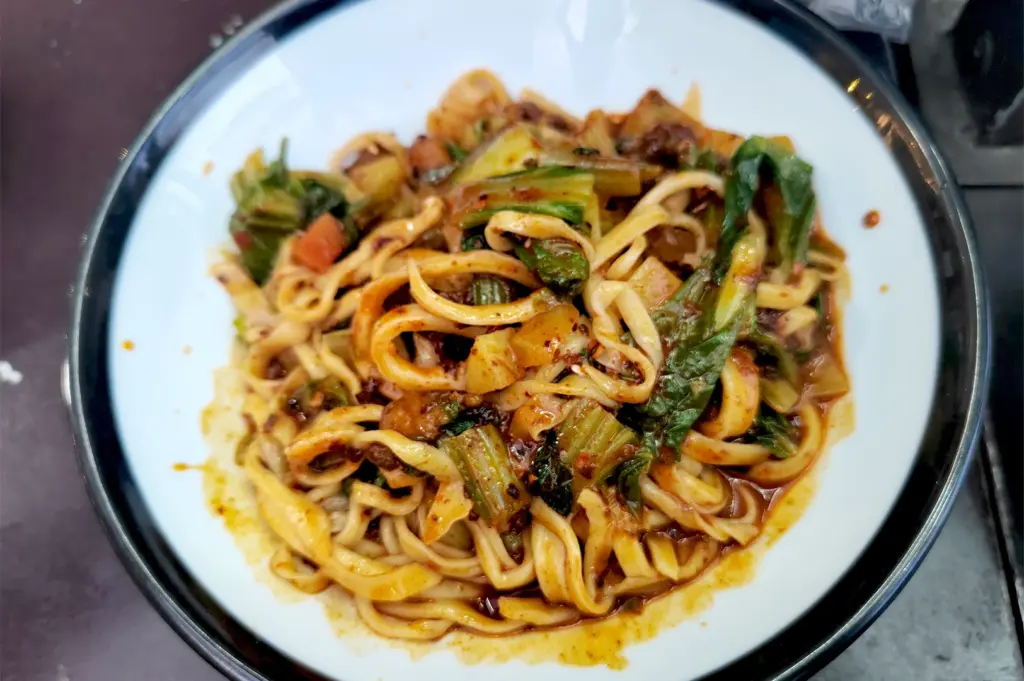
Hand pulled noodles, elastic and slightly uneven, embody northern China’s noodle heritage with a springy texture that contrasts rich broths or spicy chili sauce.
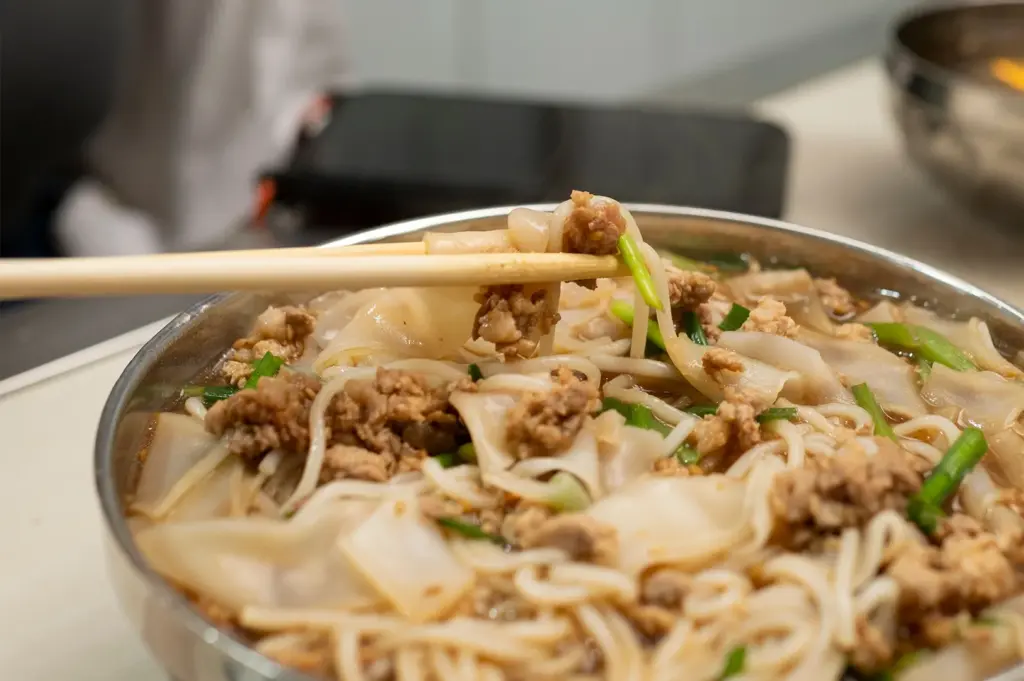
Biang biang noodles from Shaanxi province are wide, flat, and chewy, a famous dish across provinces. Their belt-like width and chew make them hearty and satisfying.
Chow mein, meaning “fried noodles,” varies by cooking method, from soft stir-fried to crispy-edged delights. The main difference is whether noodles are pan-fried crisp or gently tossed with sauce.
Foodies knowledge: The springy, slightly chewy texture in many Chinese wheat noodles comes from alkaline salts in the dough. This sets them apart from Italian pasta or Japanese udon, which lack this alkaline solution.
Rice-Based Noodles: Soft and Slippery (Including Ho Fun and Bánh Phở)
Rice-based noodles, made from rice flour, offer a soft, silky mouthfeel. They are staple foods in southern China and Southeast Asian cuisines, prized for their slippery texture and ability to soak up sauces.
Popular rice noodle types include:
Ho fun, wide flat noodles with a slightly chewy texture when stir-fried or in broth, stars in Cantonese dishes and beloved in Hong Kong.
Kway teow, another flat rice noodle, often used interchangeably with ho fun but varying by region and cooking style.
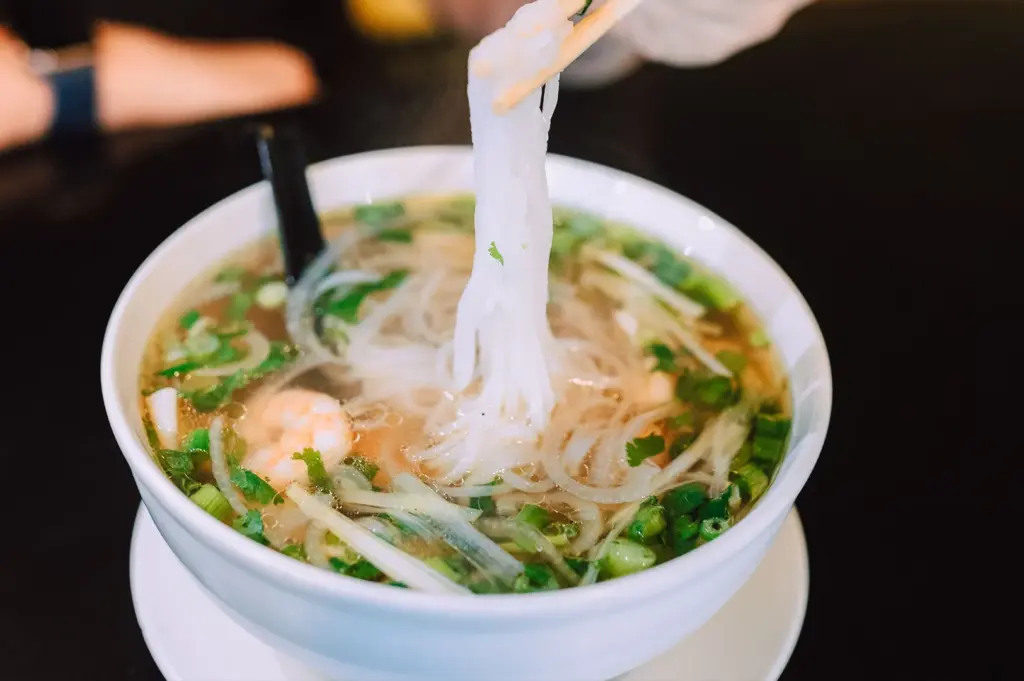
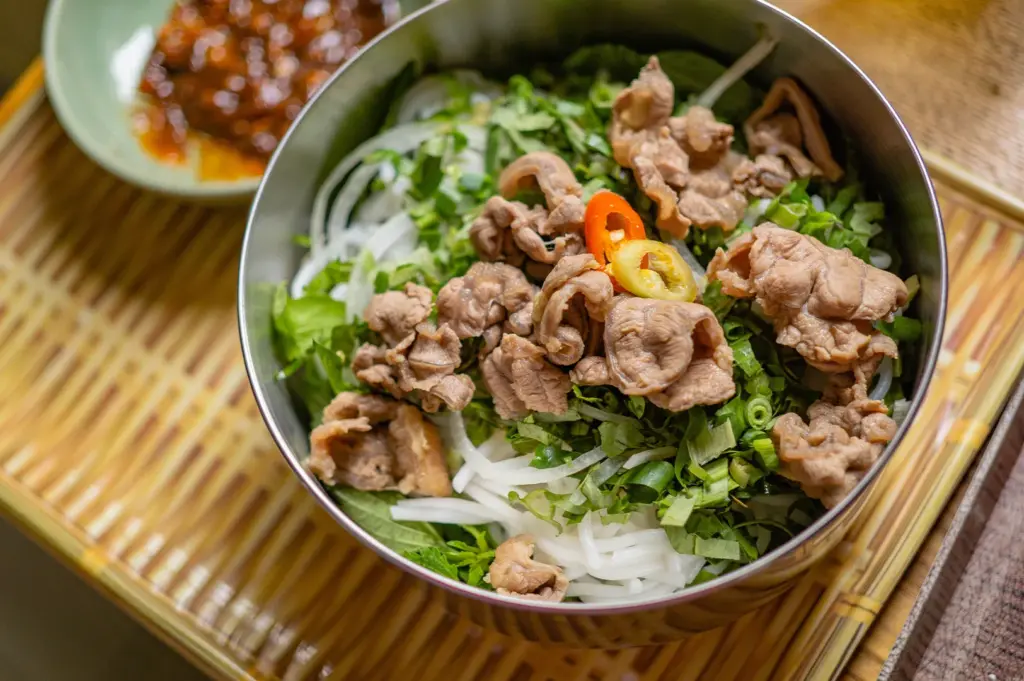
Bánh phở, the Vietnamese flat rice noodle, known for delicate softness and resilience in hot broth. Made from rice flour and water, bánh phở is gluten free and central to pho noodle soup.
Rice vermicelli or bee hoon are thin, delicate strands that remain springy if cooked properly, perfect for light soups or stir-fries.
Starch or Glass Noodles: The Slick and Translucent (Including Cellophane Noodles)
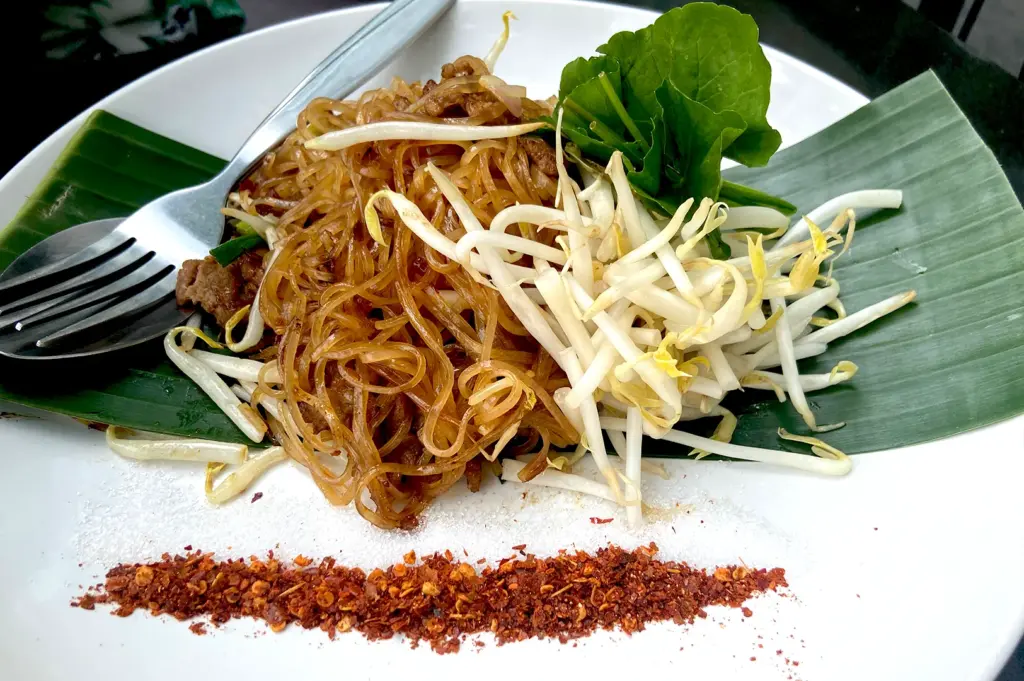
Starch-based noodles, called glass or cellophane noodles, are made from mung bean starch, sweet potato starch, or other starches like bean thread noodles. They transform from brittle dried noodles to translucent, slippery strands when soaked or cooked.
Cellophane noodles are translucent, prized for absorbing sauces while keeping a slippery, slightly chewy texture. They appear in claypots, hotpots, and cold salads across Chinese cuisine.
Sweet potato starch noodles are thicker and chewier, holding up well in spicy, sour broths like Sichuan’s mala tang.
Foodies tip: These translucent noodles are naturally gluten free, great for those avoiding wheat flour.
The Wheat Family: Where Chew Lives (Highlighting Hand Pulled Noodles and Biangbiang Noodles)
This is the most crowded family, so here are the ones you’ll see.
Wonton noodles (yún tūn miàn) are thin, springy, with a clean snap, made from wheat flour often enriched with egg. Found in wonton noodle soup and dry wanton mee, they hold up firmly.
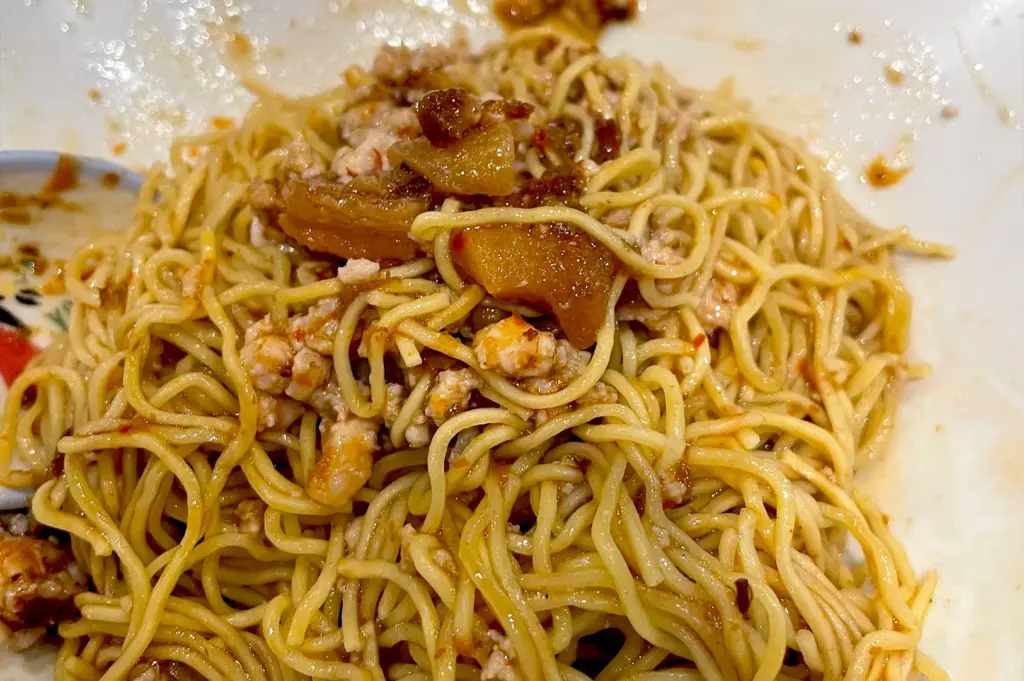
Mee pok is the flat yellow noodle of bak chor mee. Broad surface, springy bite, perfect for catching chili sauce, vinegar, oil, and minced pork.
Mee kia is thinner, tighter, cleaner, lighter. Mee pok clings to sauce; mee kia offers a lighter bite. Order by the bowl you want, not habit.
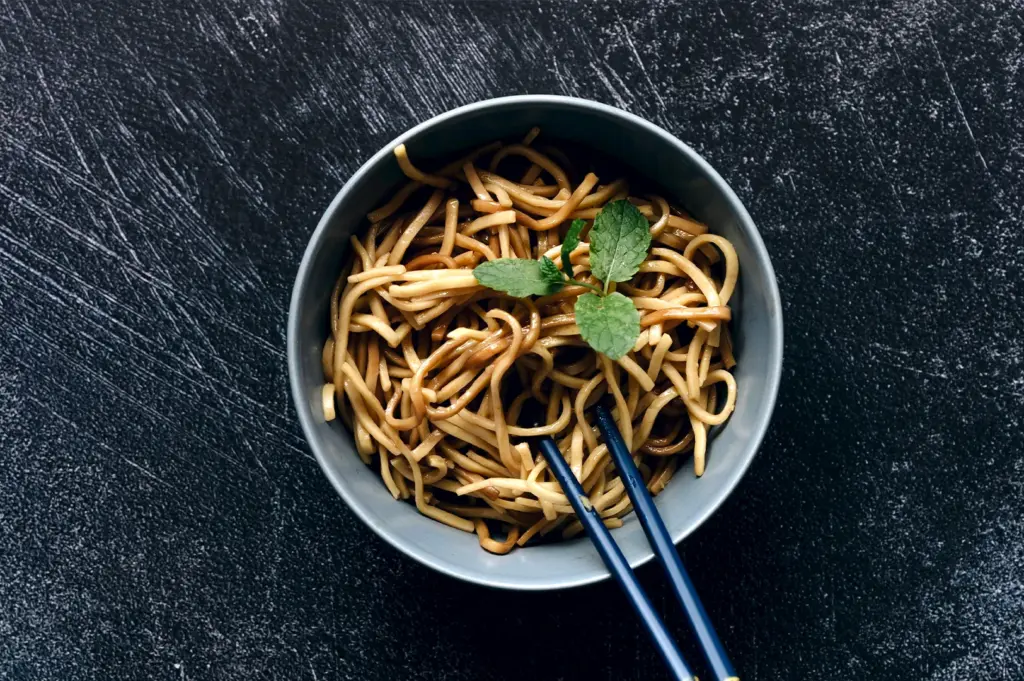
Lo mein (lāo miàn) means “tossed noodles.” Round, medium-thick, glossy, soft-chewy, made for robust sauces and chunky ingredients.
Chow mein (chǎo miàn) means “fried noodles,” but textures vary. Sometimes crisp, sometimes soft stir-fried. The key question: “crispy or soft?” Always ask.
Then come hand-shaped wheat noodles, some of the most satisfying you can eat.
Hand pulled noodles are elastic, alive, slightly uneven. They carry Lanzhou beef noodles and chili oil bowls beautifully.
Dao xiao mian, knife-cut noodles from Shanxi, are shaved from dough into boiling water. Thick, ruffled edges, dense centers catch sauce.
Biang biang noodles from Shaanxi are wide as belts, chewy, substantial. The chew is the main event.
Fanatic tip: Hand-pulled and thick wheat noodles are more filling than they appear. The first time I ordered a full bowl of biang biang noodles, I underestimated them and couldn’t finish. Share or go in hungry.
Gentler wheat noodles matter too.
Ban mian is flat, soft-chewy comfort noodle, usually in anchovy soup with minced meat, egg, and vegetables.
Its cousins, you mian and mee hoon kueh, live at the same stalls.
Mee sua is very thin, delicate longevity noodles in herbal chicken soup. Soft, soothing, easy to overcook into mush.
The Rice Family: Soft, Slippery, Familiar (Featuring Ho Fun and Bánh Phở)
This is home territory for most Singapore readers.
Ho fun (hé fěn) and kway teow (guǒ tiáo) are wide, flat rice noodles. The family overlaps almost completely, the difference is mostly naming. “Hor fun” appears in Cantonese dishes like beef hor fun and wat tan hor. “Kway teow” is the hawker term from char kway teow and fishball kway teow soup. Both are silky and slippery, with slight chew when fresh. Good stir-fried, they char at edges without breaking.
Bee hoon (mǐ fěn), rice vermicelli, is the thin white strand in fish soup bee hoon and fried bee hoon. Light, absorbent, springy if not overcooked.
Mai fun / mixian are rounder, thicker rice noodles found in Yunnan province and Guilin-style rice noodle soups. More body than fine bee hoon, smooth and slurpable.
Foodies tip: When ordering, the words that change everything are “dry” and “soup.” Dry bowls give sauce, chili, and texture upfront. Soup bowls give comfort and broth. Decide before saying the noodle name, and you’ll rarely be disappointed.
The Starch Family: Slick and Springy (Highlighting Cellophane Noodles)
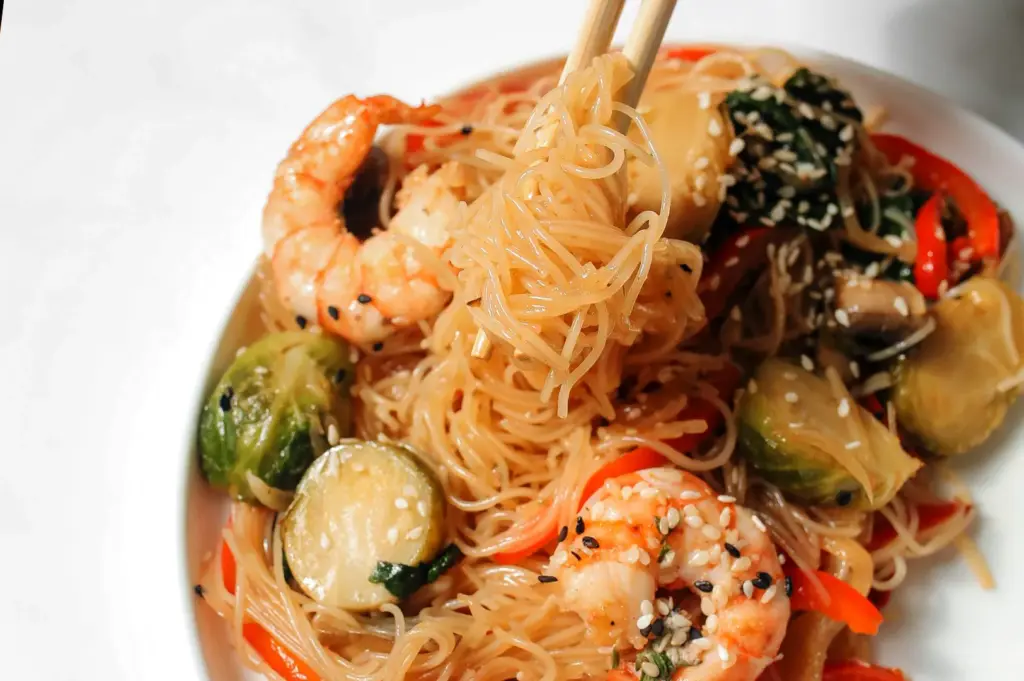
Cellophane noodles (fěn sī), also called tang hoon or bean thread noodles, are made from mung bean or sweet potato starch. Translucent, slippery, stretchy, they’re the soul of claypot prawn dishes, hotpot, and cold salads. They soak up sauce while staying slick.
Sweet potato starch noodles are thicker, chewier, almost gummy. They thrive in spicy, sour, oily broths, Sichuan suan la fen and mala tang. If you want noodles that hold heat and acid without falling apart, this is it.
How to Choose: A Quick Guide by Craving
If you want chewy and hearty: hand pulled noodles, dao xiao mian, biang biang noodles, ban mian, lo mein. Pair with beef broth, chili oil, minced pork sauce, dark soy.
If you want light and slurpable: mee sua, bee hoon, mixian, thin wonton noodles, kway teow soup. These suit clear broths and gentle seasoning.
If you want stir-fry: kway teow, ho fun, chow mein, lo mein, bee hoon. Flat rice noodles give smoky silk. Chow mein gives fry and chew.
If you want dry-tossed: mee pok, mee kia, wonton noodles, lo mein, biang biang noodles. They hold chili oil, vinegar, sesame paste, and garlic oil well.
Foodies knowledge: Spice sneaks up in dry-tossed chili oil bowls. Without broth, heat sits directly on noodles and builds. If new to chili oil, start gentler than you think.
A Note on Soggy Noodles and Takeaway
Some noodles are glorious fresh but tragic twenty minutes later. Mee sua collapses fast. Soup noodles soften in delivery bags.
Fanatic tip: For takeaway, choose dry mee pok, lo mein, fried bee hoon, or stir-fried ho fun. If ordering soup noodles, ask for broth packed separately and combine at home. Your noodles will thank you.
For those exploring diverse culinary experiences, the vibrant Cuppage Plaza dining scene offers a perfect complement to the rich textures and flavors found in Chinese noodle dishes.
Start Here
If all of this feels like a lot, don’t worry. Pick by feeling, the way that auntie taught me.
If you want chew, start with a dry mee pok bowl.
If you want comfort, start with bee hoon in a clear fish soup.
If you want something new, start with hand-pulled la mian in beef broth.
The names will sort themselves out over time. The texture is what stays with you, the snap, the slip, the pull. That’s the part you’ll remember long after you’ve forgotten what the menu called it.
Ask about texture, not just the name. Once you do, the bowl starts making sense.