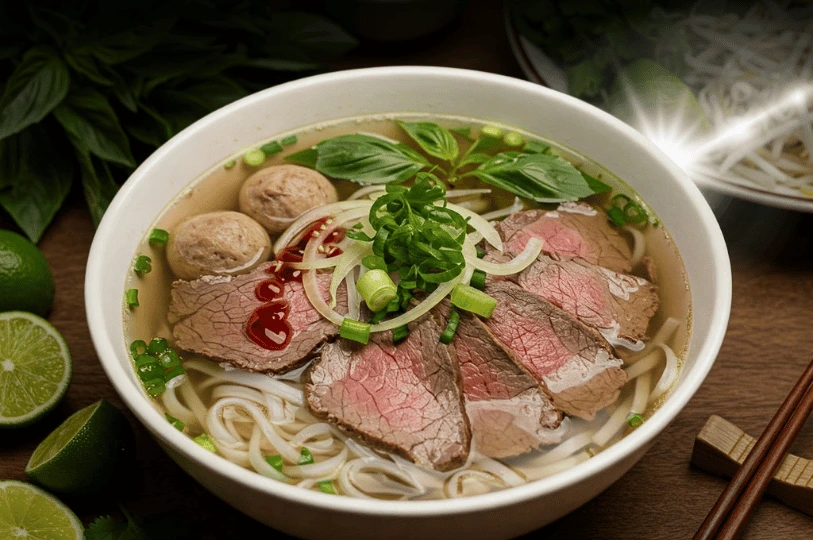
At its most basic level, pho is a Vietnamese noodle soup. However, calling it just a noodle soup drastically undersells the complexity of the dish. It is a carefully constructed meal built on a foundation of meticulously simmered broth, specific aromatics, and a very particular type of noodle.
When people talk about pho noodles, they are referring to bánh phở. These are flat rice noodles that offer a slippery, delicate texture. Unlike wheat noodles, which offer a resilient chew, bánh phở should be completely yielding. Good fresh rice noodles absorb the flavor of the broth while maintaining enough structural integrity to be picked up with chopsticks.
Whether you are eating dried noodles prepared according to package instructions or fresh pho noodles sourced straight from a market, the goal is to achieve soft rice noodles that melt into the overall experience of the soup.
The Broth is the Point
If the noodles are the foundation, the broth is the entire point of the dish. A good pho broth takes hours, sometimes an entire day, to construct. It is not a simple beef stock. It is a highly engineered liquid that requires patience and precision.
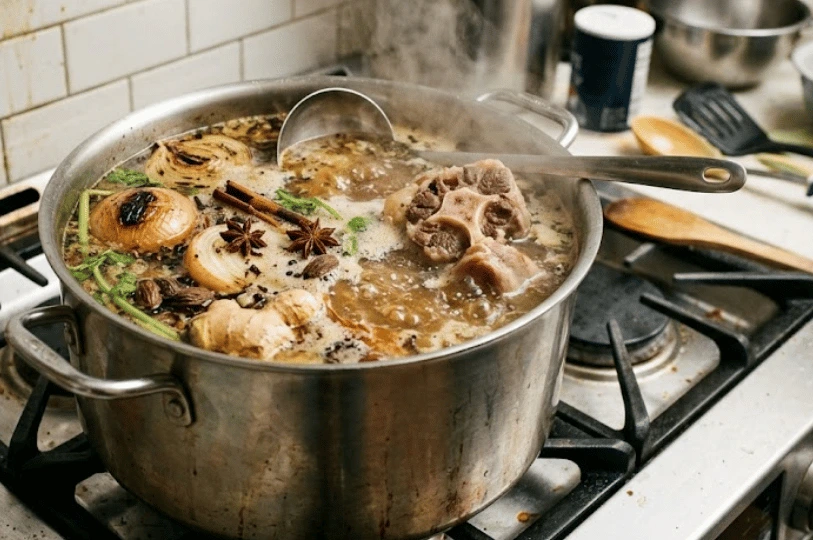
The process traditionally starts with bones. Cooks use a mix of marrow bones, leg bones, and beef neck bones to extract deep flavor and gelatin, which gives the soup its rich mouthfeel.
Meaty bones and leftover bones are often added to deepen the savory notes.
To achieve a perfectly clear broth, the bones and meat are usually boiled vigorously for a few minutes first. This purges impurities.
The water is tossed out, the bones are washed, and the pot is refilled. Only then does the true simmering begin.
A flavorful broth also relies on a charred aromatic base. Whole yellow onion, sliced onion, and fresh ginger are blistered over an open flame until blackened. This charring process adds a subtle, smoky sweetness. These onion halves and onion and ginger pieces are dropped into the liquid alongside a toasted spice blend. This blend typically features star anise, coriander seeds, fennel seeds, cardamom pods, and a cinnamon stick or chinese cinnamon. Finally, the broth is seasoned. A balance of fish sauce, sea salt, and a touch of granulated sugar or rock sugar rounds out the profile.
Pho Bò vs Phở Gà
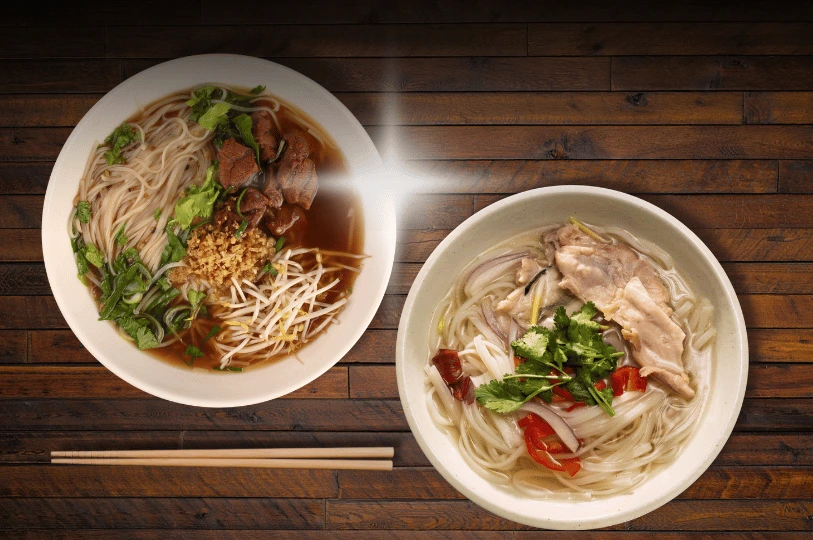
When you step into most Vietnamese restaurants, you will encounter two primary variations of this iconic dish.
V1: Beef Pho
The first is phở bò, or beef pho. This is the richer, heavier version of the soup. The beef broth provides a dark, robust canvas for the spices. It is the classic iteration that most people picture when they think of a bowl of pho.
V2: Chicken Pho
The second is phở gà, or chicken pho. This version is lighter and often more fragrant. Instead of beef bones, it utilizes a whole chicken or chicken carcasses. The spice profile is usually dialed back slightly to allow the delicate flavor of the poultry to shine through.
The chicken phở is a brilliant alternative if you want a deeply comforting but less heavy meal. Both versions rely heavily on the same fundamental techniques to achieve a clear, aromatic liquid.
What Comes in the Bowl, and What You Add at the Table
A proper bowl of pho is served as an interactive experience. The kitchen provides the base, but you are expected to finish the seasoning at your table.
In the bowl itself, you will find the hot broth, the prepared bánh phở, and your chosen proteins. A scattering of finely chopped green onions and thinly sliced white onions usually garnish the top.
It's Not Just Pho Broth in Your Bowl
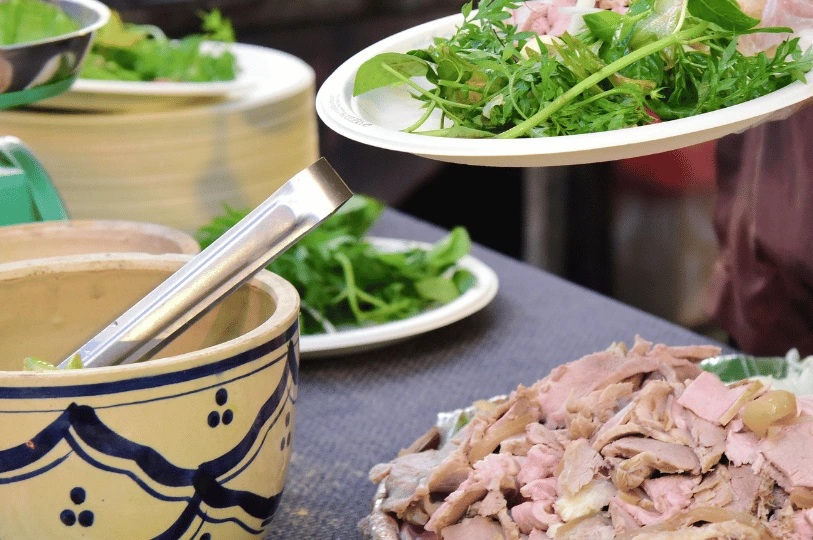
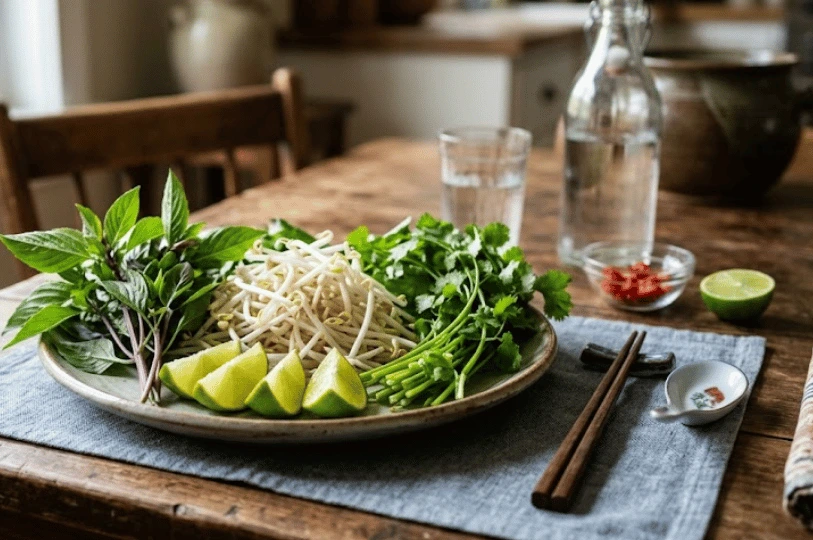
On a separate plate, you will receive a vibrant mountain of accompaniments. This usually includes fresh bean sprouts for crunch, Thai basil for a peppery anise note, and fresh herbs like cilantro or mint. You will also find lime wedges and slices of fresh chili. You tear the herbs directly into the soup, squeeze in the lime juice, and add the sprouts a few at a time so they do not cool down the liquid too quickly.
You will also have access to hoisin sauce and chili sauce. While many people squeeze these directly into the broth, a more traditional approach is to put a small amount of both sauces into a dipping dish. You then dip the tender meat into the sauce before eating it, ensuring the carefully crafted broth remains unclouded. If you find the soup needs more salt, a few drops of more fish sauce will usually do the trick.
If You Are Making Pho at Home, Here is the Grounded Version
Creating a traditional pho recipe in a home kitchen is a commitment, but it is entirely manageable if you break it down into practical steps.
First, secure a large stock pot. Gather your soup bones, onion and ginger, and your spices. Blanch your bones, rinse them, and return them to the pot with clean water.
Bring to a boil, then immediately reduce the heat. You want the liquid to barely bubble as the broth simmers for at least six to eight hours. Skim the surface regularly to keep the broth clear.
While the broth works, prepare your other ingredients. If you are making beef noodle soup, you might want to buy pre sliced beef or thinly slice a piece of sirloin steak or flank steak yourself. Placing the meat in the freezer for twenty minutes makes it much easier to cut into very thin slices.
To assemble, prepare rice noodles by blanching them in a separate pot of boiling water using a noodle strainer. Place the cooked noodles in a deep bowl. Arrange your raw beef slices on top of the noodles.
Bring your finished broth up to a rolling boil over medium high heat. Ladle the boiling hot broth directly over the raw beef. The heat will instantly cook the meat, leaving it perfectly tender.
If you have leftover broth, it freezes exceptionally well. You can store it in airtight containers for months, giving you a massive head start the next time you crave Vietnamese pho.
How to Order Pho at Vietnamese Restaurants
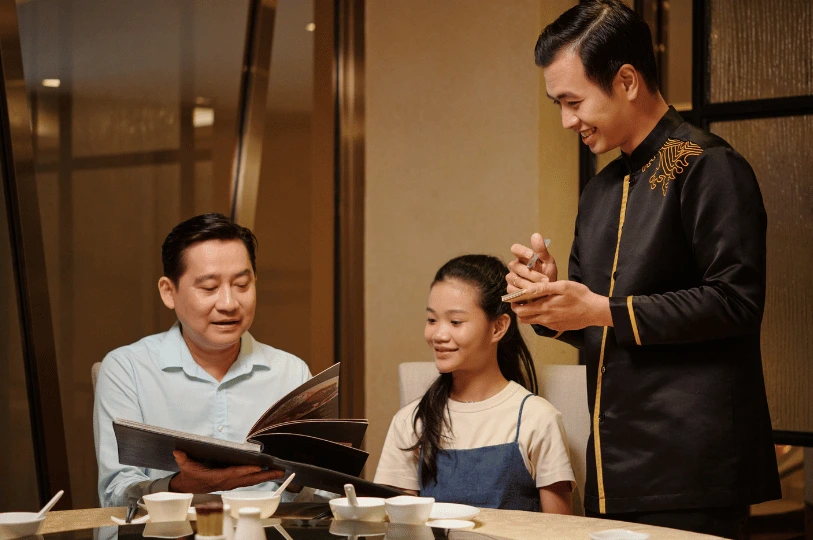
Navigating a pho menu can be intimidating due to the sheer variety of beef cuts available. When you order, you are essentially choosing how you want your protein presented.
If you want a lean, straightforward experience, ask for phở tái, which features only the thin slices of raw beef that cook in the broth. If you prefer meat that has been braised until it falls apart, look for brisket or flank. For textural variety, you can order a bowl with tendon, which is cooked until it turns into a soft, gelatinous delicacy, or tripe, which provides a crisp, chewy contrast.
If you want to try a bit of everything, order a special combination bowl, often listed as phở đặc biệt. This will give you a mix of raw beef, cooked beef, meatballs, and the textural cuts. When the waiter asks what kind of noodles you want, simply request the standard flat rice noodles unless you have a specific preference for something else.
The Return-Worthy Standard
At its best, pho is not just a quick lunch to consume on the go. It is a dish that commands you to slow down. The process of tearing the herbs, squeezing the lime, and adjusting the seasoning forces you to be present with your food.
When evaluating a bowl, Asia Food Fanatic always ask our standard question: would we come back for this? A return-worthy bowl of pho is one where the broth is complex enough to stand on its own before any sauces are added. The spices should be present but not overpowering. The noodles should be tender, and the meat should be flavorful. When all these elements align, you are not just eating a simple noodle soup. You are experiencing one of the most thoughtfully balanced dishes in the culinary world, and you will undoubtedly find yourself coming back for more.