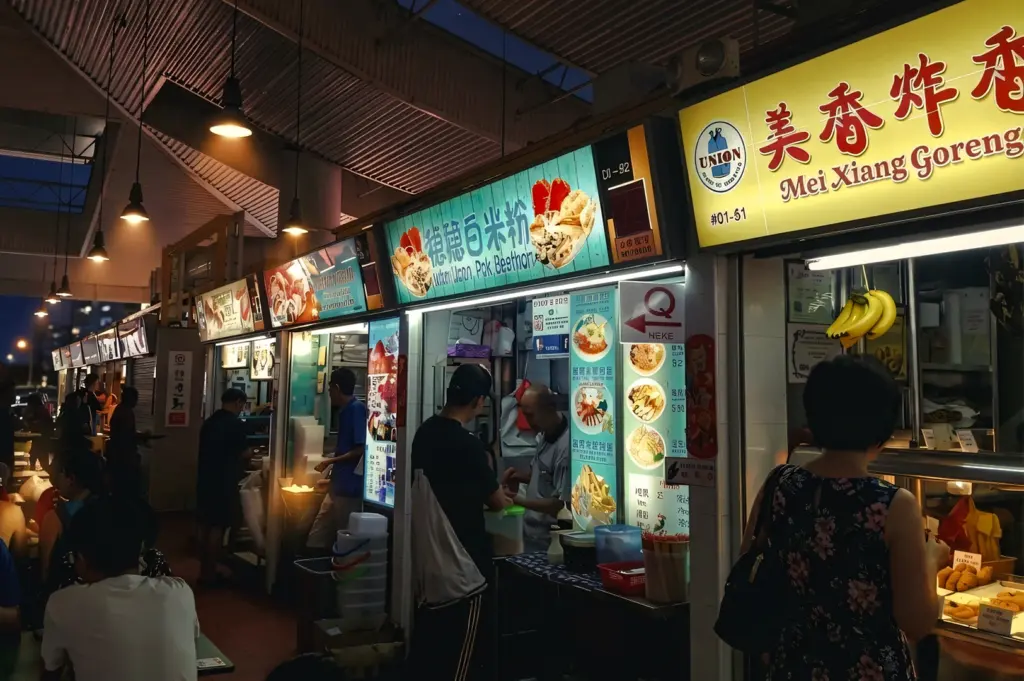
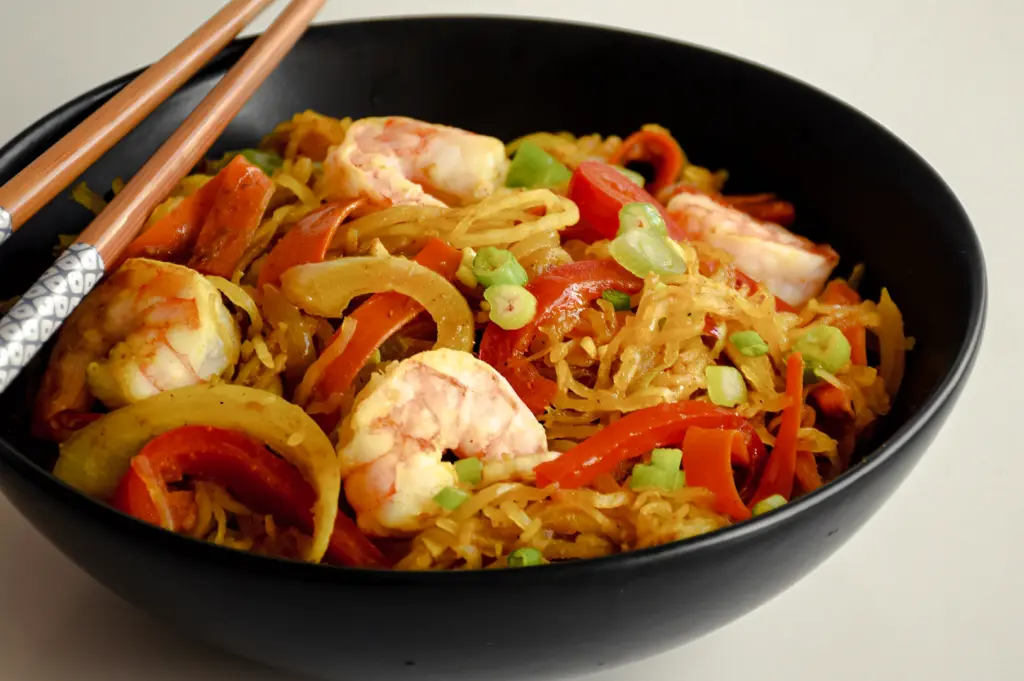
The evening air at a local hawker centre is heavy with humidity and the unmistakable fragrance of scorched metal. You sit at a slightly sticky plastic table, listening to the rhythmic clang of a metal spatula against a seasoned carbon steel wok. Soon, a steaming plate is set before you. The heat rising off the dish carries the sharp aroma of garlic, the deep earthiness of dark soy sauce, and the undeniable breath of the wok. You take that first bite, and immediately, a story of flavor unfolds on your palate.
When we talk about Singaporean noodle dishes, we are rarely talking about a single, monolithic recipe. Instead, we are exploring an entire philosophy of taste. It is an exploration of how a simple plate of stir fried noodles can command our full attention, drawing us into a quiet moment of profound comfort.
What We Mean by Balance
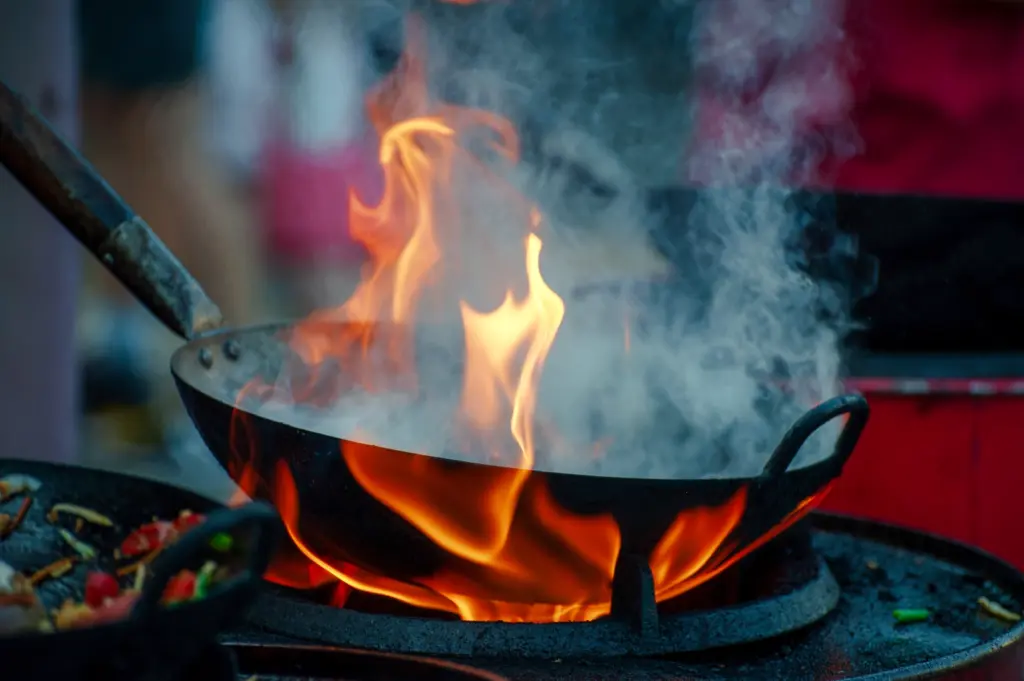
At the heart of this comfort is a careful equilibrium. To achieve this balance, a cook must master sweet, savory, and smoke in equal measure. The smoke is perhaps the most immediate sensation. It comes from wok hei, the literal breath of the wok. This is not the taste of burning. It is the complex result of aerosolized oil catching fire for a fraction of a second over high heat. It requires discipline, moving quickly between medium high heat and roaring flames to sear the ingredients without destroying them.
The sweetness and savoriness come entirely from the sauce building. A proper stir fry sauce is a study in restraint. It usually begins with a foundation of regular soy sauce for salt, followed by thick, molasses-like dark soy sauce for color and a touch of caramel sweetness. A spoonful of rich oyster sauce adds a briny depth, while a few drops of sesame oil finish the profile with a nutty fragrance. Occasionally, a splash of fish sauce sneaks in, borrowing from neighboring culinary traditions to lend a funky, savory undercurrent. When these elements meld in the hot pan, they create a fry sauce that clings to every single strand.
The Right Noodles, and Why Texture Matters
The foundation of any good noodle stir begins long before the wok is ever turned on. You must choose the right noodles. The landscape is vast, ranging from wide, flat rice noodles that absorb sauces beautifully, to delicate rice vermicelli noodles that offer a gentle chew. Sometimes, you will see thin rice noodles or rice stick noodles used interchangeably depending on the specific hawker stall or household.
Texture is everything. If you are starting with dried rice noodles, the preparation is critical. A common mistake is boiling them until they are entirely soft. In traditional kitchens, cooks prefer soaking dried rice vermicelli in cold water until pliable, perhaps giving them a brief shock in boiling water right at the end if absolutely necessary. The goal is always an al dente bite. The cooked noodles must have enough structural integrity to survive the rigorous tossing of the cooking process without turning into mush.
The Cooking Process
Watching an experienced cook execute a stir fry is like watching a quiet, focused meditation. The process begins with a generous glug of vegetable oil or canola oil in a smoking hot wok. Aromatics hit the fat first, releasing their fragrance instantly. This is where the foundation of the dish is truly built.
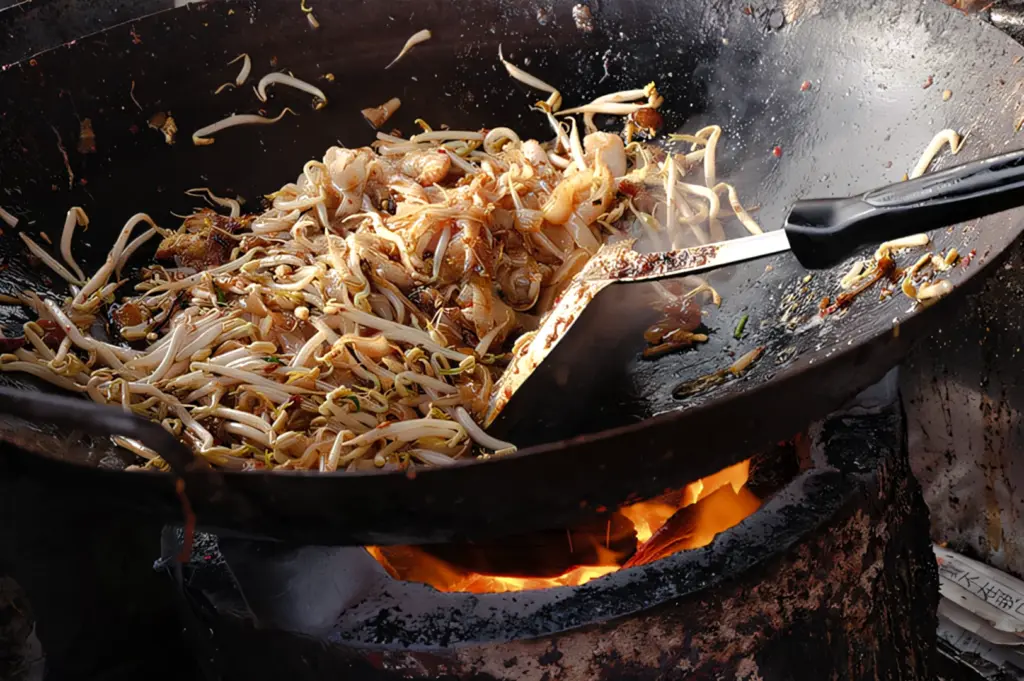
Then comes the crucial moment to add the noodles. The pan needs space; overcrowding will drop the temperature, causing the dish to steam rather than fry. You watch the cook maneuver the pre cooked strands, separating them gently. The sauce is drizzled around the edge of the wok, not directly on the food, allowing it to caramelize instantly on the hot metal. The tossing becomes rhythmic. Every noodle stir relies on this rapid movement. It is a loud, aggressive technique, yet the result on the plate feels entirely harmonious.
Proteins, Smoke, and the Comfort of Familiarity
Much of the soul in Chinese stir fry noodles comes from the proteins chosen to accompany them. These additions bring their own layers of smoke and savory depth. You might find a simple chicken stir fry variation, where tender velveted meat mingles with the starch. But the true classics often rely on cured or roasted meats.
Thinly sliced pieces of Chinese BBQ pork, widely known as char siu, add a beautiful sweetness that complements the savory notes of the soy. Alternatively, the addition of savory roast pork or the sweet, fatty richness of Chinese sausage elevates the entire plate. Even simple scrambled eggs, cooked quickly in the residual chicken fat or oil and then broken into pieces, absorb the smoky flavors of the wok. These ingredients remind us of Chinese home cooking. They evoke the nostalgic warmth of Chinese food served at family gatherings, where every thin strips of meat feels like a gesture of care.
Vegetables, Restraint, and the Reality of the Plate
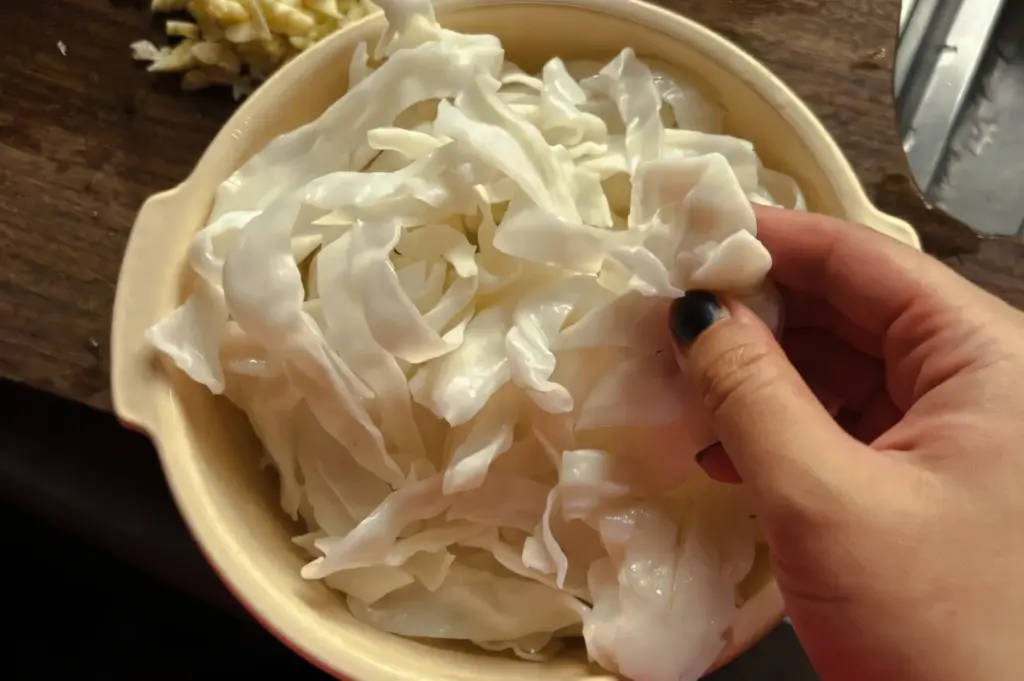
When it comes to the greens, authenticity often looks like restraint. If you order a plate of noodles at a hawker centre, you will likely find very few vegetables. This is a real-world observation, born out of economics and tradition. A small handful of crisp bean sprouts or some finely chopped green onions is usually enough to provide the necessary textural contrast.
However, in home kitchens, people often want to incorporate all the vegetables. You might see leafy bok choy, tender baby bok choy, vibrant red bell pepper, crisp snap peas, sweet snow peas, or even baby corn tossed into the mix. While these colorful additions like bell peppers make for a beautiful presentation, they hold moisture. The cook must be careful to sear them fiercely so they do not water down the carefully constructed sauce.
Singapore Noodles, Curry, and Borrowed Accents
There is a fascinating anomaly in this culinary landscape. If you travel outside of Southeast Asia, you will inevitably encounter a dish labeled “Singapore noodles” on menus across the globe. Ironically, this dish, heavily spiced with curry powder, was actually popularized in Hong Kong.
Yet, it tells a beautiful story of cultural cross-pollination. The use of a generic curry powder, mixed with shrimp and char siu, speaks to the historical blending of Indian curries and Chinese wok techniques. Some cooks add more curry powder for a golden hue, while others keep it subtle. Whether you prefer a traditional chow mein or these spiced fry noodles, the dish has become a global comfort food. It proves that noodle stir fries can constantly evolve while retaining their core identity.
Practical Takeaways
So, what should you order when you find yourself in a humid food centre or a quiet neighborhood eatery? Look for a stall where the cook prepares one small bowl or large bowl at a time. Batch cooking destroys the delicate texture of the noodles and mutes the wok hei.
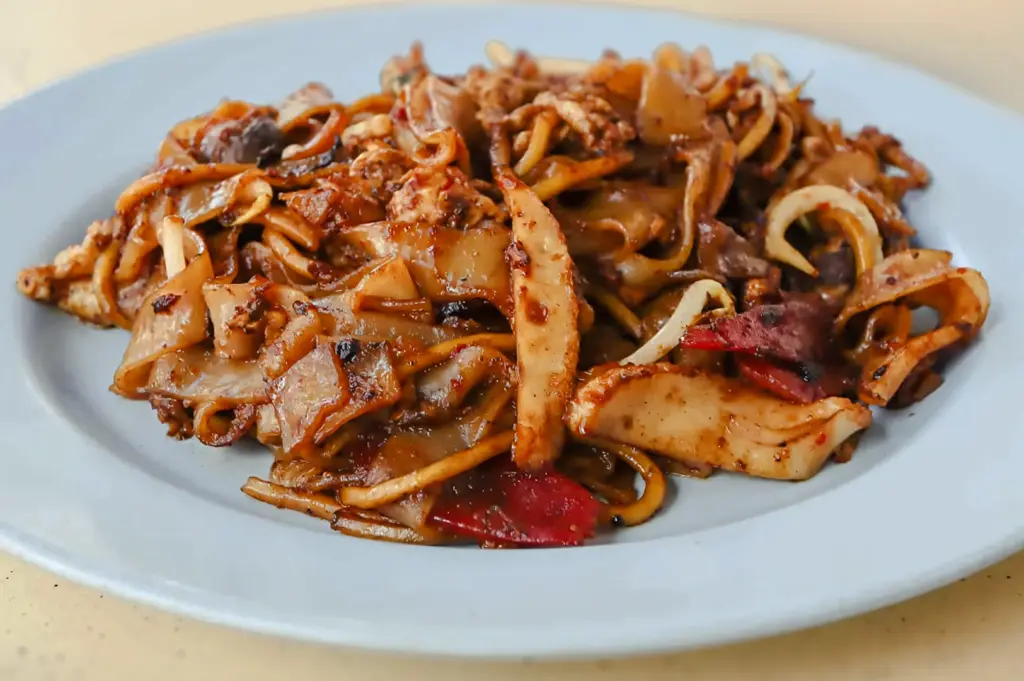
A plate worth returning for is one where the noodles are distinct and lightly coated in oil, not swimming in a pool of dark liquid. The flavors should linger. You should taste the earthiness of white pepper, the subtle sweetness of the dark soy, and the savory punch of the proteins. When a dish prompts you to close your eyes and simply appreciate the quiet satisfaction of the meal, it is a success. It feels absolutely delicious in its simplicity.
Recipe Notes for the Home Kitchen
For those looking up a Singapore noodles recipe (or maybe one to make a homemade Char Kway Teow) to recreate this magic at home, remember that technique matters more than strict measurements. Consider these recipe notes as guiding principles for your own personal taste:
Always prepare your noodles properly. Soaking them is usually better than boiling to maintain an al dente texture.
Mix your sauce in a small bowl before you start cooking. Combine your soy sauce, a splash of shaoxing wine, and white pepper ahead of time.
Use high heat. Do not be afraid to let the wok smoke slightly before adding your canola oil.
Cook in batches if your stove lacks power. Fry the proteins, then the vegetables, remove them, and finally tackle the noodles before combining everything to serve immediately.
Nutrition and Realism
It is worth noting the realities of eating this kind of food. A standard nutrition serving of stir-fried noodles carries a fair amount of saturated fat from the cooking oils and meats. The sodium levels can also be quite high. Some home cooks prefer to use low sodium soy sauce or thin their sauces with a splash of chicken broth to lighten the profile.
However, food is not simply fuel. It is memory, culture, and comfort. We do not eat a plate of hawker noodles because it is a health food. We eat it because it grounds us. We eat it because it tastes like history.
Would We Come Back for This?
When I finish a plate of perfectly executed noodles, wiping my mouth with a thin paper napkin, I always ask myself if the experience was worth it. Was the finished dish a reflection of care, skill, and tradition?
Singaporean noodle dishes, when done right, are a masterclass in balance. They ask nothing of the diner except to sit, eat, and appreciate the fleeting moment. The smoky aroma, the savory chew of the rice stick noodles, and the gentle sweetness of the dark soy sauce create a memory that lingers long after the plate is cleared. Yes, I would come back for this. I would come back to this quiet, comforting corner of the culinary world time and time again.