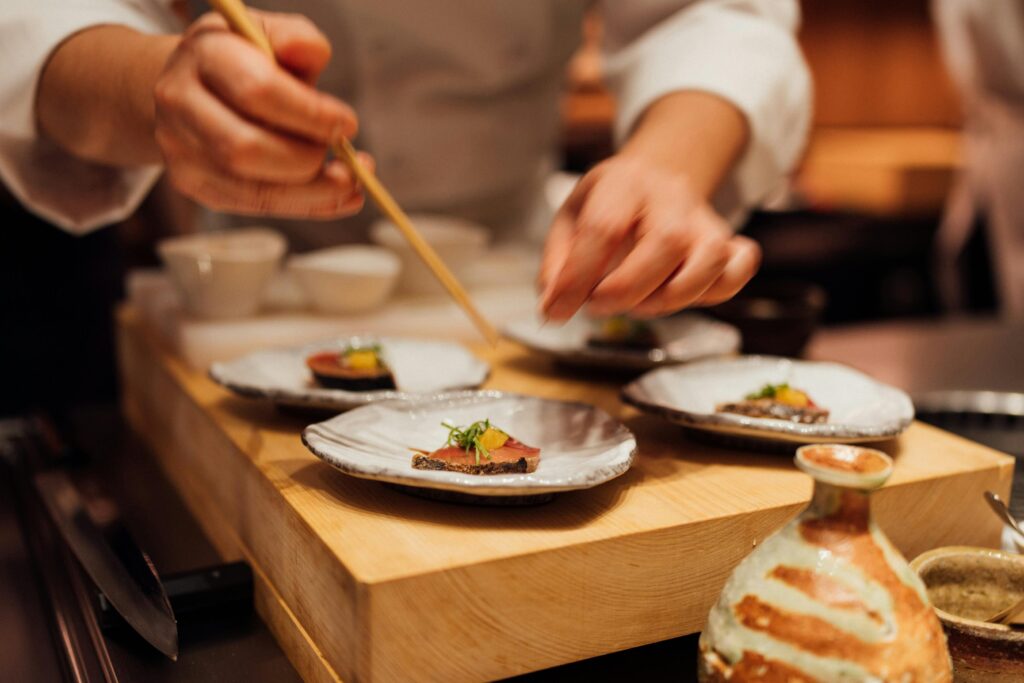
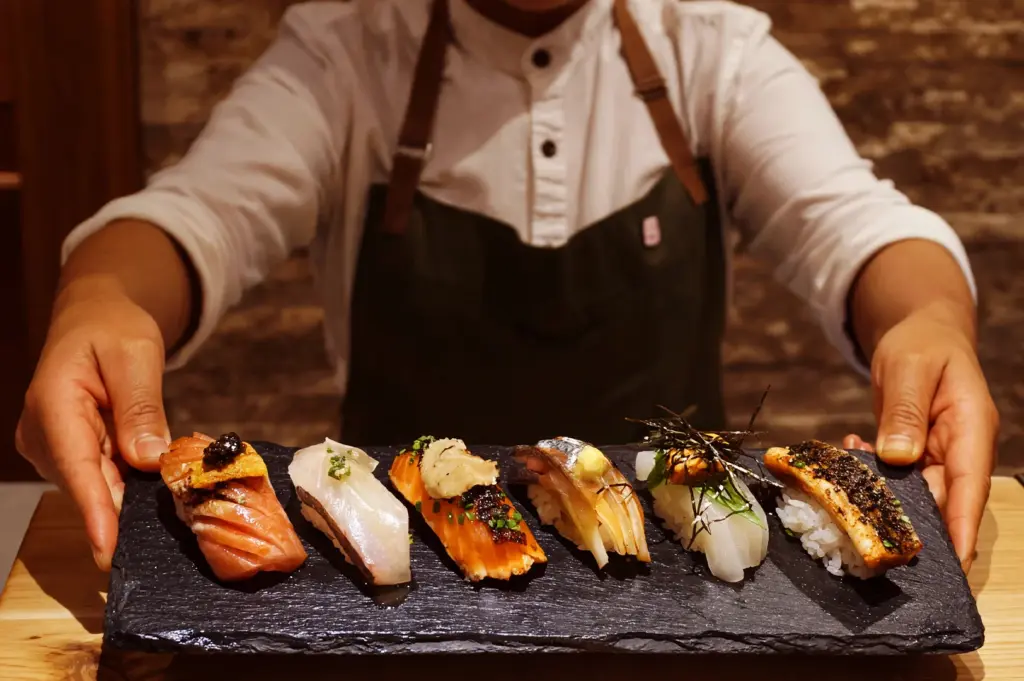
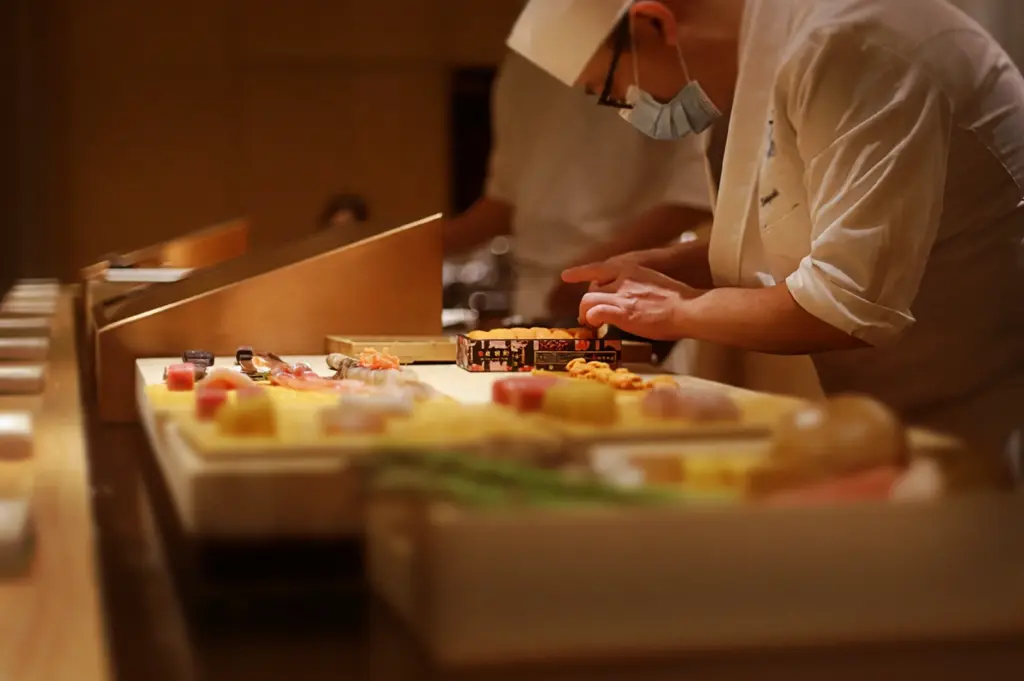
A single sliver of kasugodai, baby sea bream, rests on the black slate, lightly scored and brushed with a nearly invisible layer of nikiri. The chef’s movements are precise and unhurried, placing the nigiri before me with a nod. The first bite reveals a perfect balance of texture and temperature: the firm, sweet fish contrasts with the warm, subtly vinegared shari. This single piece embodies the essence of omakase: not performance, but precision and an intimate chef-guest connection.
What Seasonality Means in the Tropics
Here in Asia Food Fanatic, we’re direct. The concept of seasonality for an omakase Singapore restaurant is a complex negotiation. The best ingredients are flown in from Japan’s markets, following the distinct rhythms of their four seasons. Singapore is a global food hub, allowing top restaurants to receive fresh ingredients flown directly from Toyosu market daily, ensuring the highest level of freshness. A chef who truly understands this doesn’t just serve what is trendy. They build a menu that tells a story of a specific moment in time, thousands of kilometers away.
In spring, you should taste the subtle bitterness of mountain vegetables. In winter, the deep, fatty richness of buri, or yellowtail, should be undeniable. Omakase menus typically change daily to showcase the freshest seasonal seafood, such as uni and fatty tuna. When a chef presents a menu that feels disconnected from this cycle, it rings hollow. Serving out-of-season, force-ripened produce is a culinary lie. The truly great chefs possess an encyclopedic knowledge of Japan’s micro-seasons.
Harmony on the Plate, Not Just the Bill
The first time I sat at an omakase counter, I made the classic beginner mistake: treating it like a fancy sushi tasting menu. I hesitated too long before eating one piece, dipped another too heavily in soy, and wondered why the chef served something so clean before something so fatty.
Then it clicked. Omakase dining is not just about expensive fish; it is about sequence, trust, and timing.
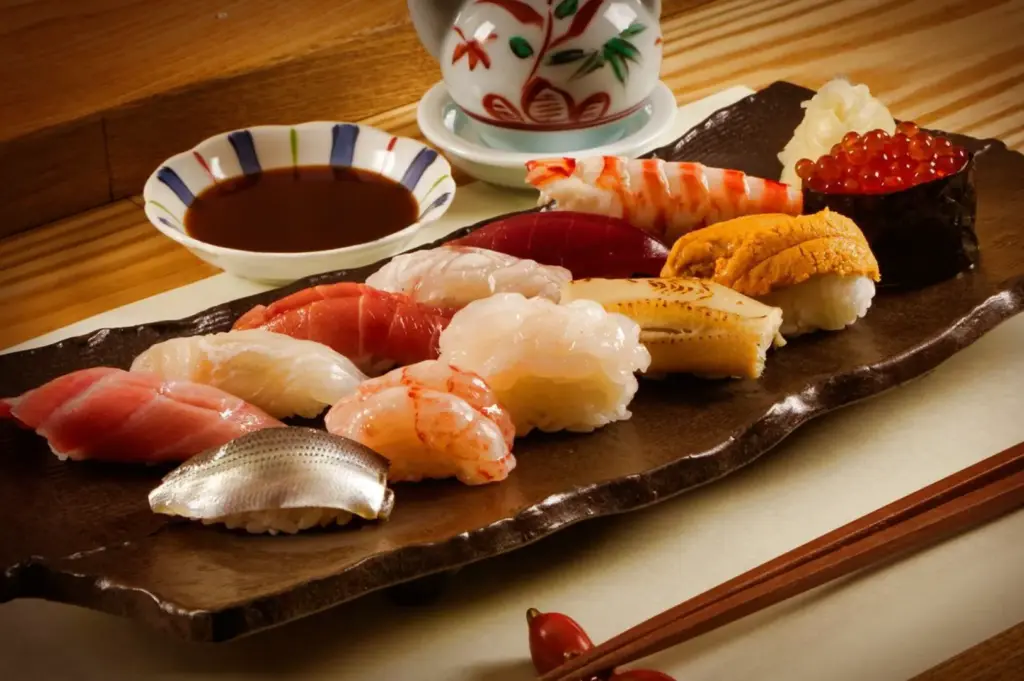
Omakase, a revered Japanese dining style, means leaving the meal to the chef. But that does not mean sitting helplessly while luxury ingredients fly past you. A skilled chef curates the dinner omakase menu or lunch omakase menu like a masterful climb: light before rich, bright before deep, clean before smoky. A piece of madai might awaken your palate; chutoro arrives when your mouth is ready for fat; sea urchin (uni) tastes like the ocean, not a price tag.
That is the thrill of the omakase experience. You give up control, and in return, the chef gives you rhythm.
What Omakase Really Is: The Chef Curates the Journey
At its heart, omakase is a chef-led journey where the omakase menu changes daily, based on the freshest seasonal ingredients and the chef’s judgment. You don’t choose à la carte; you trust the chef to decide what is best that day.
In the Singapore context, omakase menus range widely—from compact lunch courses under S$100 to polished dinner omakase menus climbing into the S$300+ range. Some places focus mainly on sushi; others include seasonal sashimi, cooked dishes, soup, grilled items, and dessert.
The best way to understand omakase is this: you are not paying only for ingredients but for decisions. The chef decides:
Which fish is ready today from renowned markets like Toyosu Market in Japan
How thick it should be sliced
Whether it needs soy, salt, yuzu, or nothing
How warm the rice (shari) should be
When to push richness and when to pull back
When it works, each bite sharpens the next, creating a good balance of flavors and textures.
The Philosophy: Trust the Chef, But Know What to Watch For
The trust between chef and diner is the spine of omakase dining. You sit close enough at the sushi counter to watch the knife move, see the rice pressed by hand, and notice whether the chef is calm, rushed, generous, or hiding behind toppings.
In my experience, the strongest omakase restaurants are not always the loudest. Too much torch, truffle, or caviar can be red flags when overused. Not because luxury is bad—premium seafood like uni can be glorious—but if every other piece needs smoke and sparkle to impress, something is off.
Good omakase has restraint. The fish should still taste like itself. The rice should not collapse into mush. The seasoning should lift, not bully.
Trust the Fanatics: Eat nigiri as soon as it is served. The chef has timed the rice temperature and fish texture for that exact moment. Wait too long, and the whole bite goes flat.
Seasonal Ingredients Matter in Omakase Singapore
Japanese omakase dining culture pays close attention to seasonality. This is why seasonal omakase menus shift. The goal is not to serve the same “signature” fish all year but to showcase ingredients when they are at their freshest and most vibrant.
A good seasonal tasting menu based on the freshest ingredients does not need to shout. A clean white fish with a pinch of salt and citrus can hit harder than a rich topping if the texture is right. Shellfish should snap; tuna should have depth; squid should be sweet, firm, and glossy—not rubbery.
This is where you start to taste the chef’s judgment. Anyone can buy premium ingredients, but not everyone knows when to leave them alone.
What to Expect at an Omakase Meal
Most omakase meals follow a loose progression, typically lasting 90 minutes to 2.5 hours, whether at Sushi Masa, Sushi Muni, or Sushi Yujo:
1. A Light Opening
This may be a cold appetiser, seasonal sashimi, chawanmushi, or a small seasonal dish. The goal is to awaken your palate, not overwhelm it.
2. The Main Climb
This is where sushi courses often take over. Expect cleaner fish first, then richer cuts, then stronger flavors. The rice matters as much as the fish. If the shari is too dense, sour, or cold, the whole piece suffers.
3. A Warm Reset
Cooked dishes like soup, grilled fish, or tamago may appear near the end. This gives the meal shape instead of letting it become one long sushi parade.
4. A Quiet Finish
Dessert is usually restrained. Do not expect a giant dramatic ending. Omakase often ends with a soft landing.
Intimate Dining Experience: The Heart of Omakase
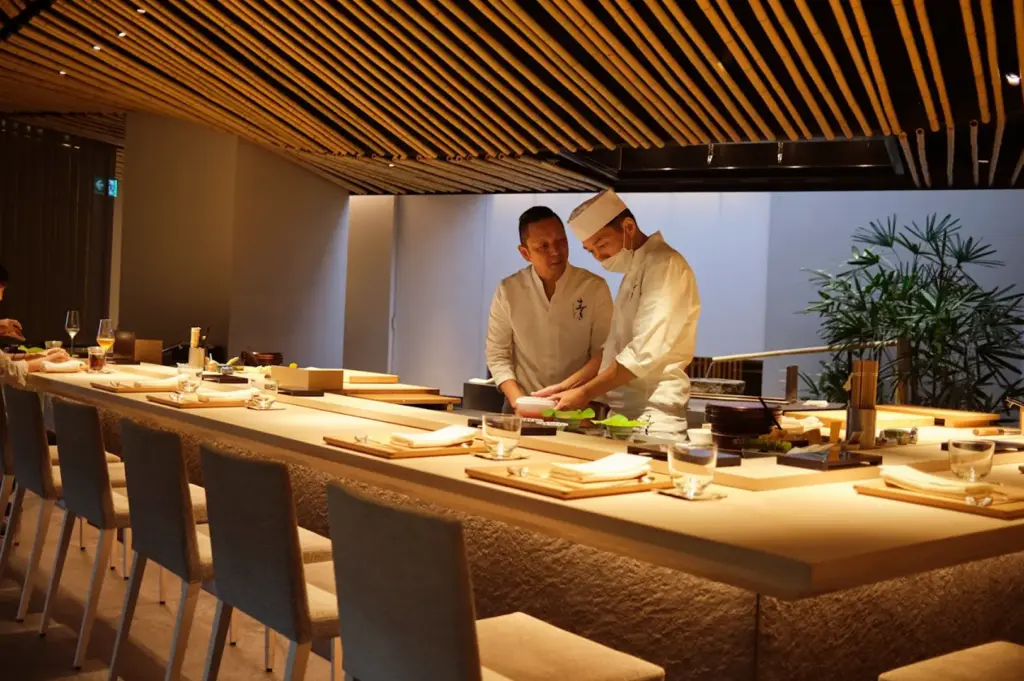
An intimate dining experience is central to omakase. Most top omakase restaurants in Singapore, like those located at Cuppage Plaza, seat only 8 to 12 guests around a sushi counter, allowing diners to witness the chef’s meticulous craftsmanship and engage directly. For such Cuppage Plaza restaurant options, you may want to explore: https://asiafoodfanatic.com/cuppage-plaza-hidden-japanese-restaurants/
This counter seating puts the chef at centre stage, letting diners appreciate the artistry and precision of each piece, the gentle press of rice, the delicate brush of nikiri, the subtle aroma of fresh fish. This closeness fosters a unique connection, making the meal more than just food—it becomes a shared moment of culinary art.
Top Omakase Spots in Singapore: Start Your Journey Here
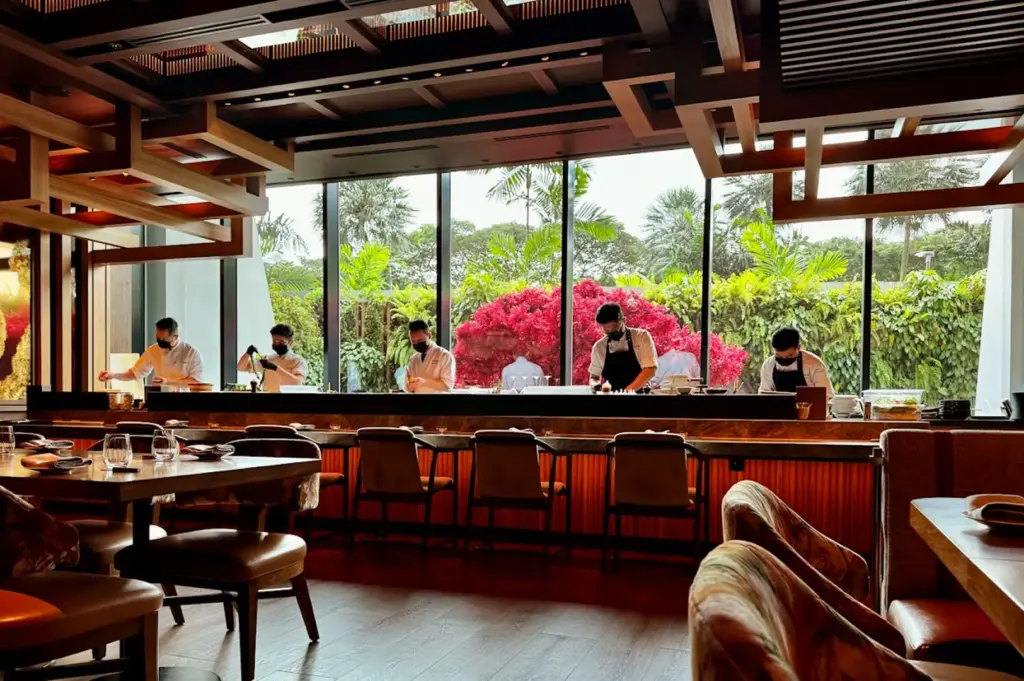
Singapore’s omakase scene features exceptional Japanese restaurants that offer authentic, intimate dining experiences centered on seasonal ingredients and expert craftsmanship. Below are some standout omakase venues that showcase the best of this culinary tradition.
Suzuki Omakase by Chef Suzuki
Led by Chef Suzuki, trained at Kyoto’s Kikunoi Honten, Suzuki Omakase blends tradition and innovation. The serene space, designed by Kengo Kuma, offers intimate counter seating for close interaction. Ingredients arrive daily from Toyosu Market, ensuring fresh seasonal seafood. The dinner features delicate appetizers and a paced omakase menu showcasing Japanese culinary artistry.
Located at Mandarin Hotel, Singapore 089813. Reservations recommended. Smart casual dress code.
Wakuda's Omakase Room
Wakuda’s omakase room seats six, offering an intimate setting focused on the chef’s craft. The menu balances innovation and tradition with seasonal seafood and curated hot dishes. A sake selection complements the meal. Personalized service enhances appreciation of each course.
Located at Marina Bay Sands, Singapore. Advance reservations required. Smart casual attire recommended.
Teppei
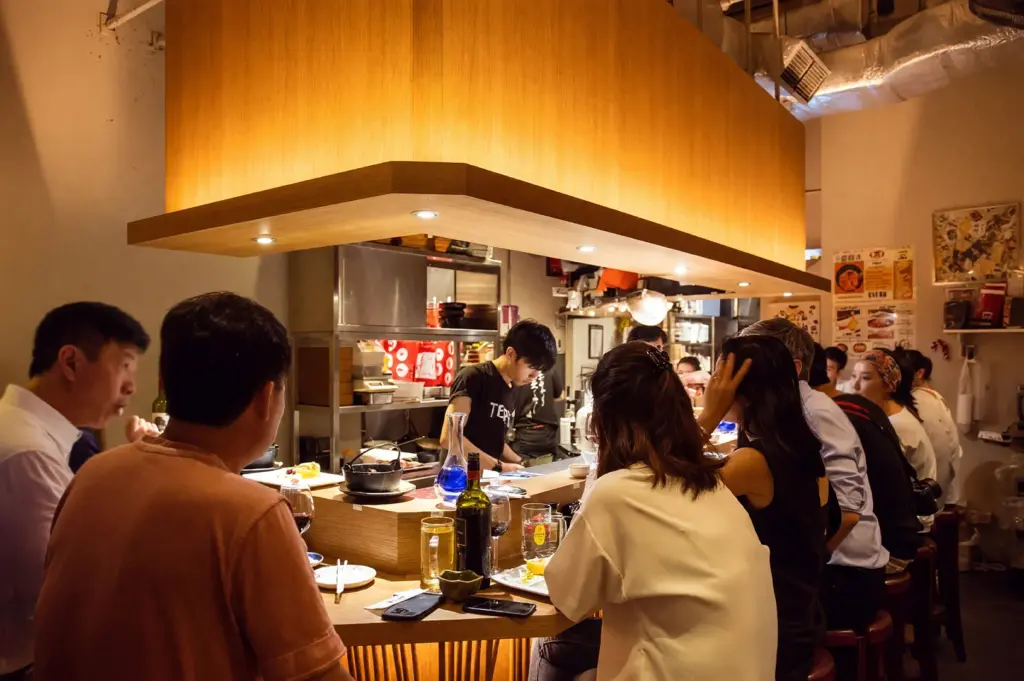
Teppei offers affordable, authentic omakase with lunch and dinner menus emphasizing fresh ingredients and expert sushi craft. Known for warm hospitality, Teppei serves a balanced progression of sushi and seasonal hot dishes in an intimate counter setting.
Located at Orchid Hotel, Singapore. Reservations advised. Smart casual dress code.
Each of these restaurants exemplifies the artistry and seasonal excellence that define omakase dining in Singapore, promising guests an unforgettable culinary journey.
The Pursuit of Substance in Japanese Cuisine
The evolution of the omakase Singapore scene has been rapid. What was once a niche, reverent experience is now a mainstream status symbol. But quality is not a given. The philosophy that should underpin any great omakase counter is one of substance over spectacle. It is about a chef who is obsessed with sourcing the absolute best and has the skill and vision to present it honestly.
The experience should not be about a checklist of luxury ingredients. It should be a journey guided by a chef’s deep-seated culinary principles. The most memorable meals are not the most extravagant. They are the ones where every single element on the plate has a purpose. They are moments of pure, unadulterated flavor, born from a philosophy of precision, seasonality, and a profound understanding of harmony.