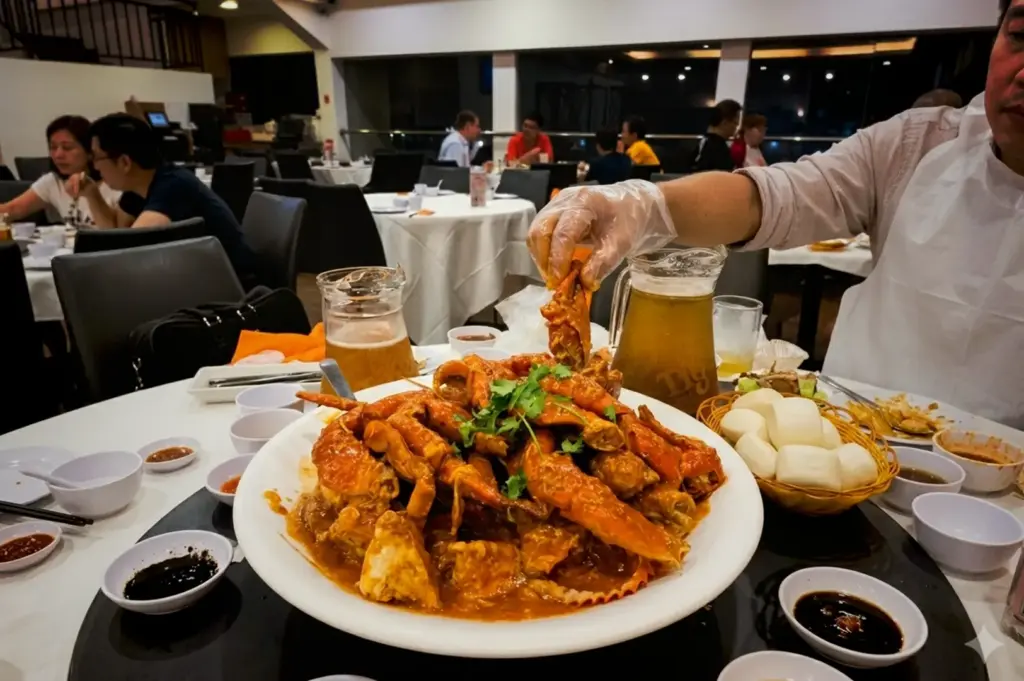
There is a specific kind of joy that only comes when you completely abandon all sense of decorum at the dinner table. I remember sitting at a large round table with my family on a humid Sunday evening. My fingers were stained a deep, vibrant red. There was a smudge of thick sauce on my cheek. A pile of cracked crab shells sat in the center of the table like a monument to a battle we had just won. No one was looking at their phones. Everyone was laughing, peeling, and dipping.
When I look back on that night, I realize why Singapore chilli crab is fundamentally different from any other dish we eat here. It is not just dinner. It is an event. It forces you to be entirely present in the moment, simply because you cannot do anything else when your hands are covered in sweet, savory gravy.
If you are visiting Singapore, or if you simply want to navigate this iconic dish for the first time, you might feel a little intimidated. I completely understand. It is a messy, expensive, and chaotic meal. But I promise you, the reward is worth the sticky fingers. Let us walk through exactly what makes this dish so special, how to order it without feeling lost, and how to eat it like a local.
What Makes Singapore Chilli Crab So Unique (And Why It Is Not Just About Heat)
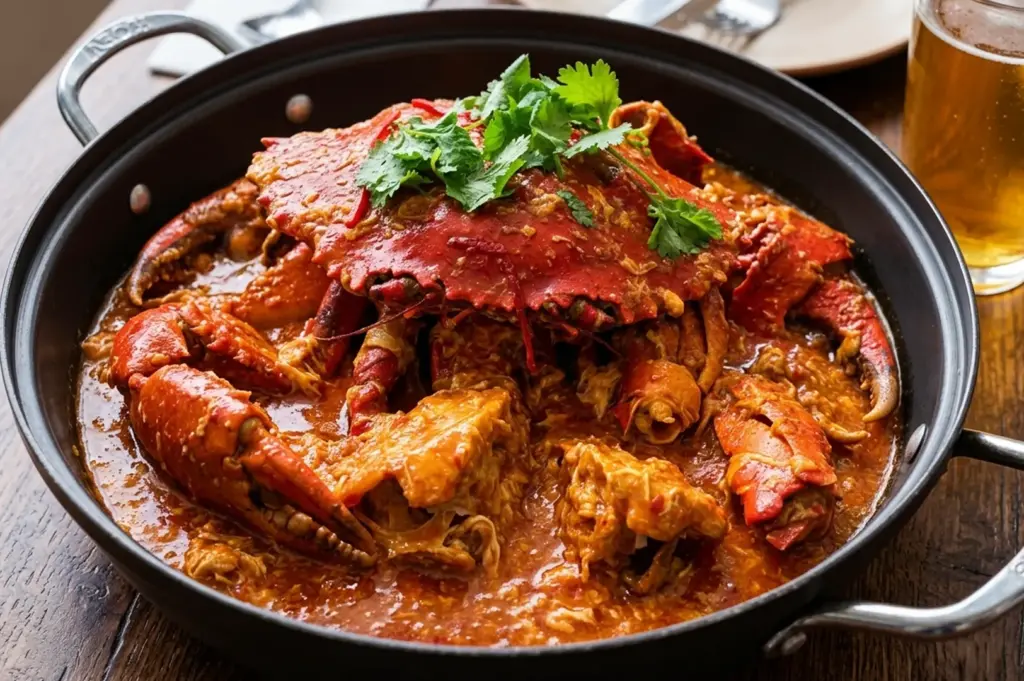
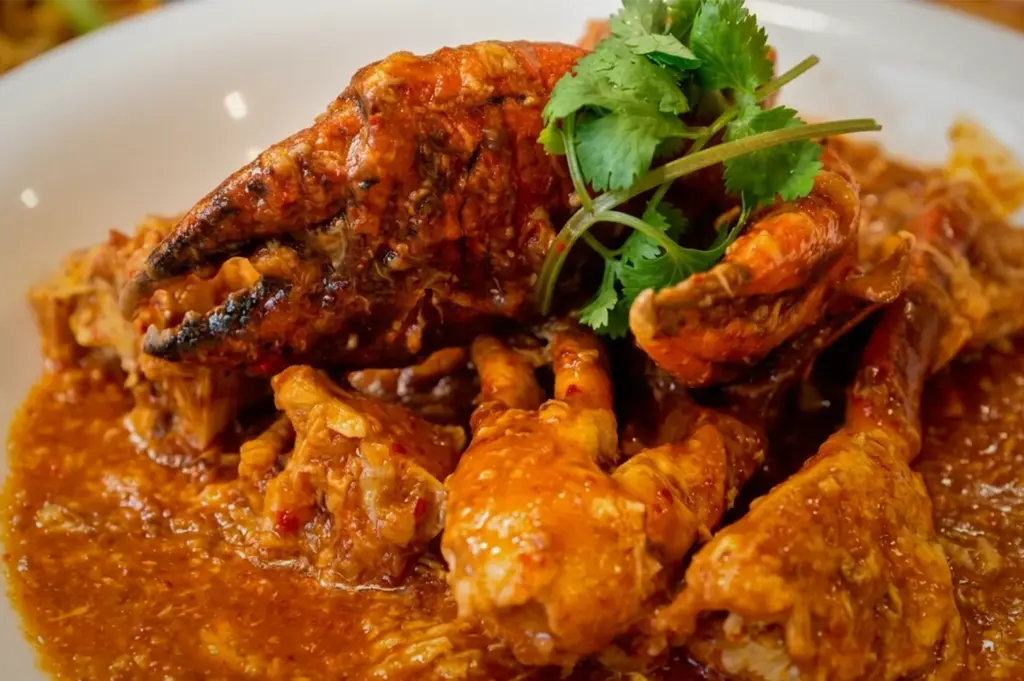
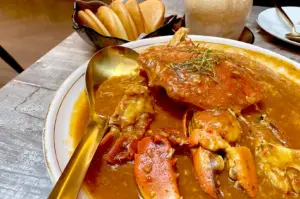
When I first tried the famous Singapore chilli crab as a child, the name alone was intimidating. I assumed the dish would be a fiery, burning ordeal. But that’s the biggest misconception about this iconic chilli crab dish. The magic lies not in overwhelming heat but in the rich, complex chili crab sauce that envelops the fresh crabs.
This signature sauce is a carefully balanced blend of sambal, tomato ketchup, tomato sauce, ginger, garlic, and a few secret ingredients handed down through generations, like the original recipe created by Madam Cher Yam Tian at the Palm Beach Seafood Restaurant along Upper East Coast Road. The sauce is thickened slightly with egg ribbons, giving it a silky, velvety texture that clings lovingly to the tender crab meat.
The flavour is a harmonious dance of sweet, tangy, and mildly spicy notes with a savory depth that excites your taste buds without numbing them. The natural sweetness of the succulent crab meat shines through, enhanced by the spicy gravy that isn’t too overpowering but just right to keep you reaching for more. This balance is what locals and visitors alike seek when hunting for the best chilli crab in Singapore.
Cracking the Code: Ordering Chilli Crab with Confidence
Walking into a bustling seafood restaurant such as Jumbo Seafood or Keng Eng Kee Seafood can be overwhelming. Menus are extensive, and the pace is fast. Here’s my tried-and-true method to navigate the experience smoothly:
1: Select your crab.
Opt for the classic Sri Lankan mud crab, prized for its size and naturally sweet, firm crab meat. These fresh crabs hold up well against the rich chili sauce.
2: Pick your size.
Crabs are sold by weight. A medium-sized crab, costing around SGD 40 to SGD 70, is perfect for two diners. Larger crabs, often exceeding SGD 100, are ideal for bigger groups.
3: Don’t skip the sides.
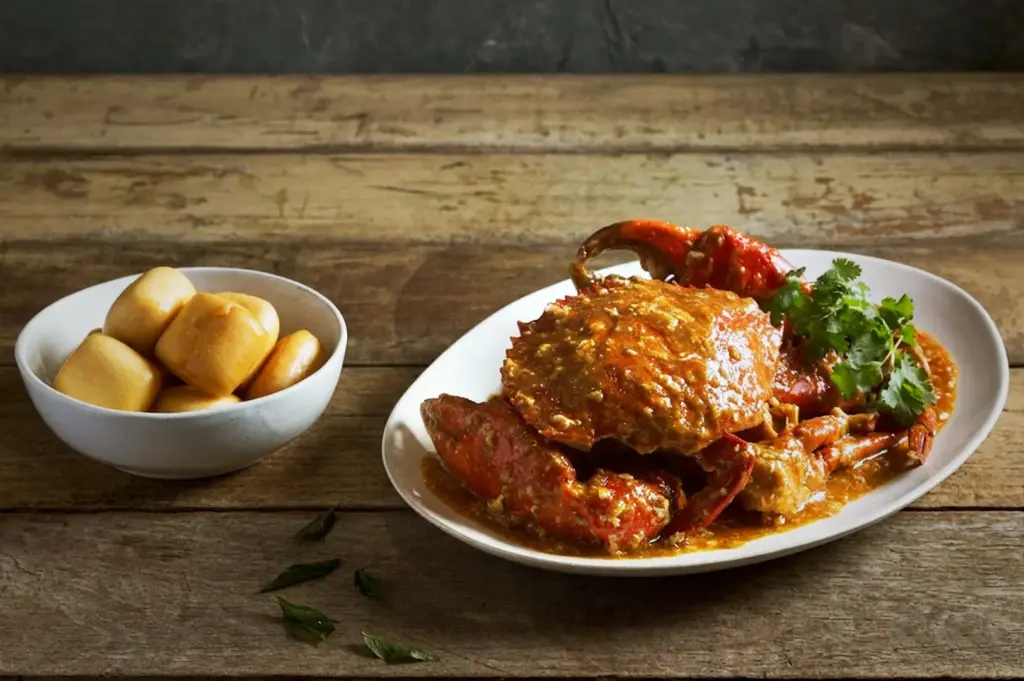
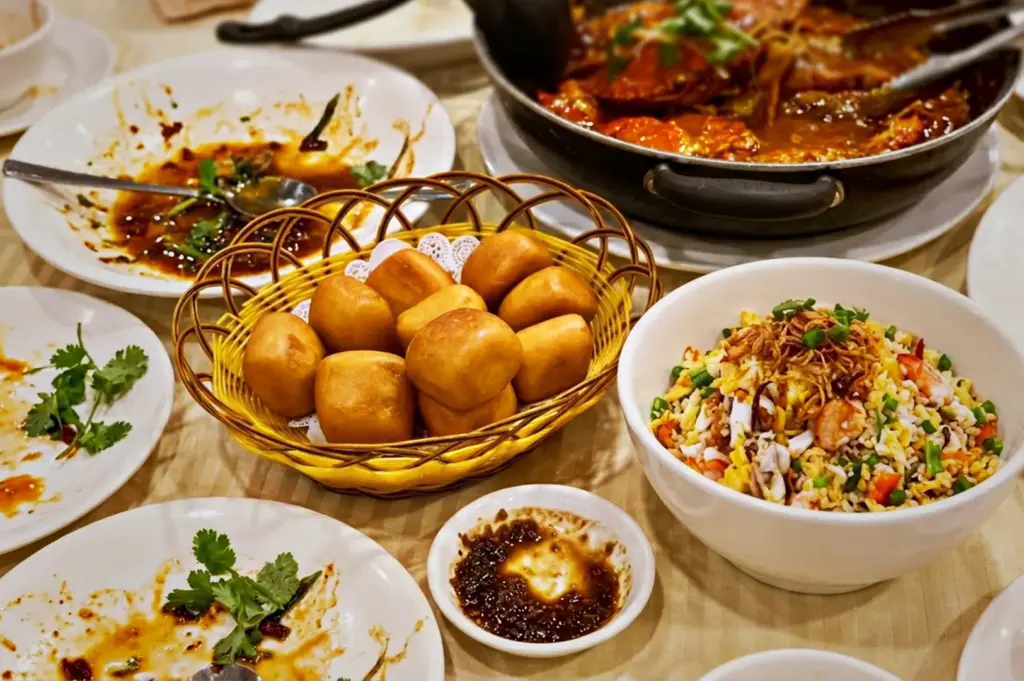
No chilli crab meal is complete without fried mantou buns. These golden, crisp-on-the-outside, fluffy-on-the-inside buns soak up every drop of the luscious crab sauce. I recommend ordering at least three to four per person. A plate of fragrant garlic fried rice is also a great companion to balance the spicy sauce.
Fanatic Tip: Always ask your server for the current market price of the crab before ordering. Prices fluctuate daily, and knowing the cost upfront helps you avoid surprises.
Practical Realities: Prices, Timing, and What to Wear for Your Chilli Crab Feast
Eating chilli crab in Singapore is an experience that demands both time and budget.
At renowned seafood restaurants like the legendary Roland Restaurant (formerly Palm Beach Seafood), Hua Yu Wee, or Long Beach Seafood, expect to pay between SGD 50 and SGD 80 per person for a shared meal that includes chilli crab, sides, and drinks. For a more casual, budget-friendly option, hawker stalls such as those at Mattar Road Hawker Centre or Bedok Rest House offer authentic versions at lower prices.
Timing is key. A proper chilli crab meal takes about two hours to savor. Weekday evenings or early weekend dinners around 5:30 PM are ideal to avoid the crowds. Reservations are essential at popular spots like Jumbo Seafood, known for its signature dish, to secure your seat.
Dress comfortably and casually,this is a messy affair. Your clothes will likely get splattered with spicy chili sauce and crab juices. Embrace the mess; it’s part of the charm and communal joy of eating Singapore’s national dish.
Shell-Shocked? Common Chilli Crab Mistakes
Over the years, I’ve witnessed many first-timers stumble through their chilli crab experience. Here are some lessons from my own messy past:
Don’t be too polite.
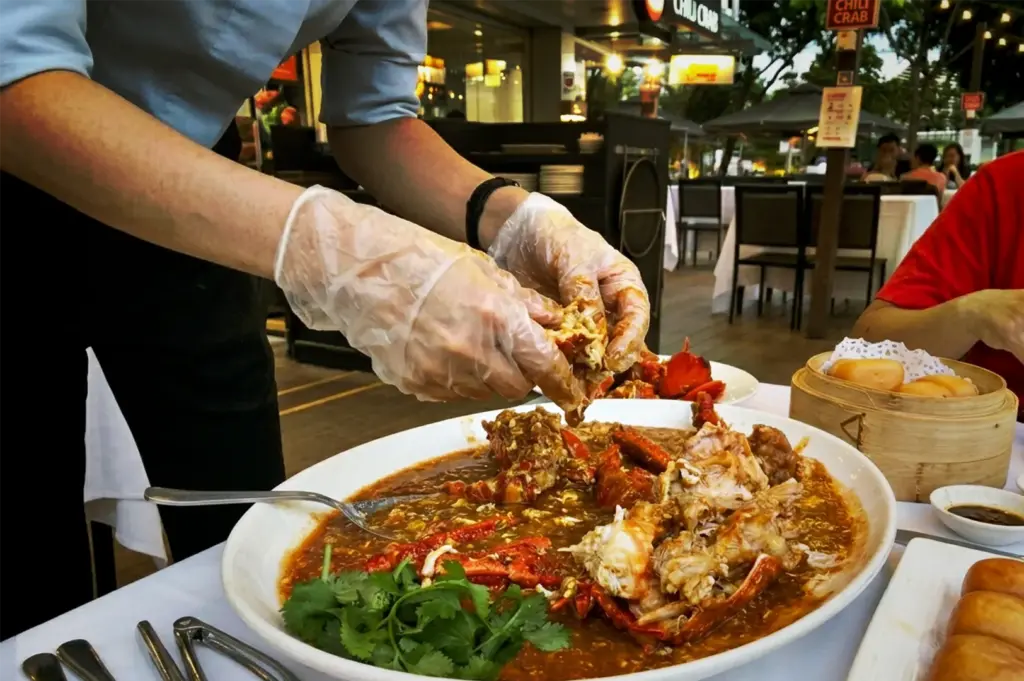
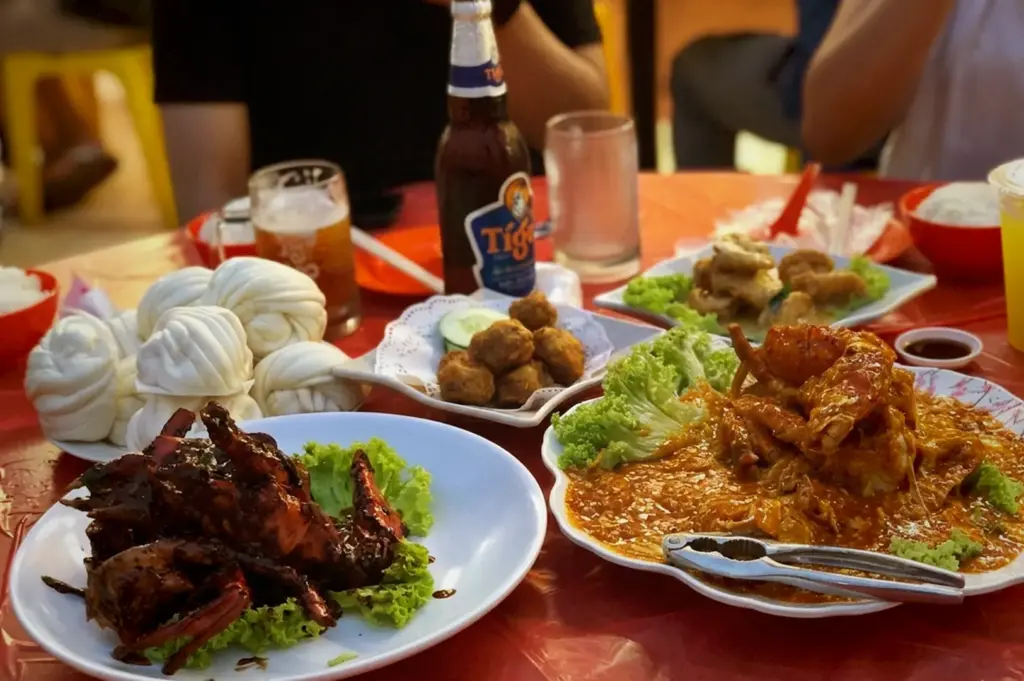
Trying to eat crab meat with just a fork and spoon is frustrating. Use your hands! Break the shell, pull out the tender crab meat, and dunk it generously into the chili crab sauce. Many seafood restaurants provide plastic bibs, gloves, and wet wipes, use them without hesitation.
Don’t rush.
Chilli crab is not fast food. Tackle the crab in stages: start with the legs and claws where the meat is thickest, then move to the body for the sweeter, delicate crab meat hidden inside. Let the conversation flow as you feast.
Watch for freshness.
If the crab meat feels mushy or rubbery, it’s a sign the crabs aren’t fresh. The meat should be firm and moist. Similarly, a runny, watery chili sauce means the kitchen rushed the process. A proper chili crab sauce is thick enough to coat the crab shells and mantou buns perfectly.
Fanatic tip: If cracking the claws is tough, ask your server for metal crab crackers. Most reputable seafood restaurants like Hua Yu Wee and Keng Eng Kee provide them by default.
Crack the Questions: Your Chilli Crab FAQ
How spicy is the chilli crab sauce?
Surprisingly mild. The tomato ketchup and tomato paste mellow the fiery chili paste, creating a spicy gravy that’s flavorful but not overwhelming. If you prefer less heat, just ask the kitchen to tone down the chili.
How do I clean up afterward?
Embrace the mess during the meal. Most seafood restaurants serve warm finger bowls with a slice of lime to wash your hands afterward. The citrus cuts through grease and the lingering seafood aroma.
Is chilli crab only for tourists?
Absolutely not. While heavily promoted by the Singapore Tourism Board, chilli crab is deeply rooted in local culture. It’s a dish for family celebrations, festive occasions, and welcoming friends. It’s a shared experience that brings diners together.
The Perfect Pairings
To elevate your chilli crab experience, choosing the right accompaniments is essential. The ideal pairings complement the rich, flavorful sauce and tender crab meat, balancing textures and flavors to create a harmonious meal that lingers on your palate.
Fried Rice
No chilli crab feast is complete without the perfect accompaniments. Fried rice, often cooked with crab meat and seasoned with the signature chili sauce, complements the spicy gravy beautifully. The fragrant, slightly crisp fried rice balances the rich crab sauce and offers a satisfying texture contrast.
Fried Mantou
Fried mantou buns are essential for soaking up every last drop of the luscious crab sauce. These golden, crispy-on-the-outside, fluffy-on-the-inside buns are a staple at seafood restaurants across Singapore and elevate the entire dining experience.
Why Chilli Crab in Singapore is a Must-Try
Chilli crab is more than a dish; it’s a celebration of Singapore’s culinary heritage. Loved by locals and tourists, it brings people together for a messy, hands-on feast. From Cher Yam Tian’s original recipe to modern takes, the sweet, spicy sauce with tender crab and crispy mantou captures Singapore’s food culture.
Whether you’re sampling chilli crab in a bustling hawker center like Mattar Road Hawker Centre or indulging in a refined seafood restaurant such as Keng Eng Kee or Roland Restaurant, the dish remains a testament to Singapore’s rich blend of Chinese food traditions and local spices. For a truly authentic taste, be sure to try the accompanying coffee ribs or other deep fried seafood specialties, and savor every bite of this iconic dish that continues to delight taste buds across the globe. The Cuppage Plaza restaurants you find when you stop looking for the obvious offer hidden gems that elevate Singapore’s culinary scene even further.
The Joy of the Shared Table
Whenever I take someone to eat chilli crab for the first time, I watch their face change. They usually start out hesitant, poking at the shell with a chopstick. But ten minutes later, their sleeves are rolled up, their hands are coated in sauce, and they are using a piece of fried mantou to scrape the very last drop of gravy from the communal plate.
That transformation is why this dish matters so much to me. In a city that moves incredibly fast, chilli crab forces us to sit down, get our hands dirty, and share a tangible experience with the people across from us. It is more than just a famous recipe. It is a celebration in a bowl.
So, Asia Food Fanatic suggest you book a table, wear your most comfortable t-shirt, and order extra mantou. Do not worry about looking perfectly put together. Just focus on the sweet crab, the tangy sauce, and the laughter of the people you brought with you.