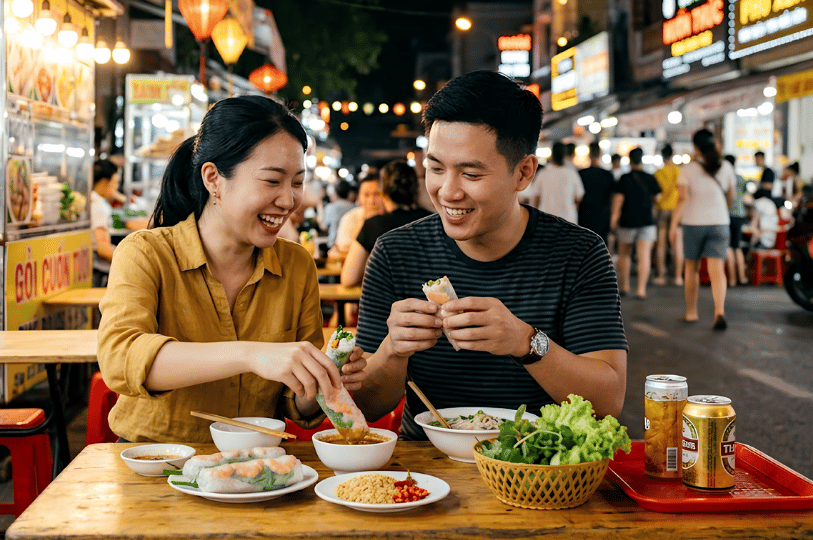
The afternoon air sits heavy and still, pressing a familiar humidity against your skin. You are seated at a low, slightly wobbly table right on the pavement. The distant hum of motorbike traffic provides a constant, rhythmic soundtrack to the neighborhood. A plate arrives, holding tight, translucent cylinders that reveal vibrant flashes of orange shrimp and vivid green leaves. You pick one up. It feels cool and slightly tacky to the touch. You dip it into a dark, nutty sauce and take that first, resonant bite. The crisp snap of fresh greens meets the soft chew of rice noodles, offering an immediate sense of relief from the heat.
This quiet, grounding moment is the essence of eating gỏi cuốn. It is a dish that requires no fire at the table and no loud sizzling, yet it commands your full attention through sheer, refreshing balance.
What Gỏi Cuốn Is, and Why It Feels Like Street Food
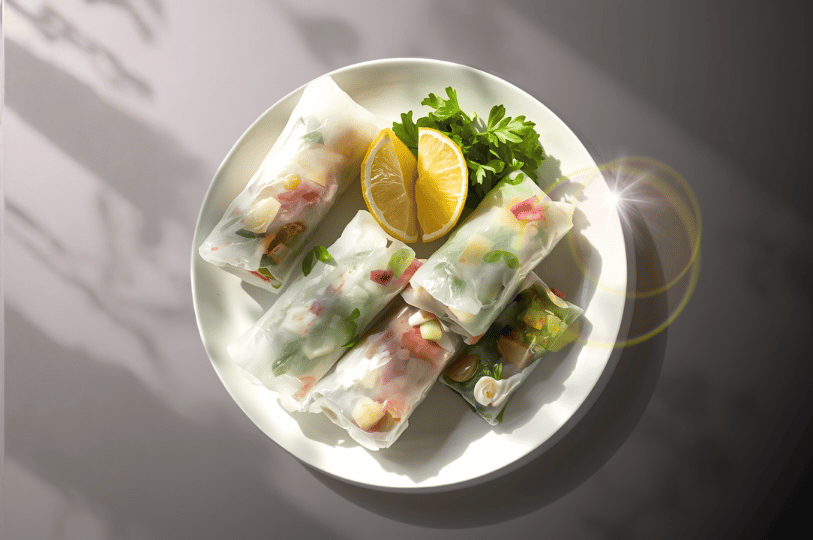
At its core, gỏi cuốn translates simply to salad rolls. When you see them on menus around the world, they go by many names. You might know them as fresh Vietnamese spring rolls, simple fresh spring rolls, or even summer rolls. No matter what you call them, Vietnamese spring rolls are a masterclass in culinary restraint.
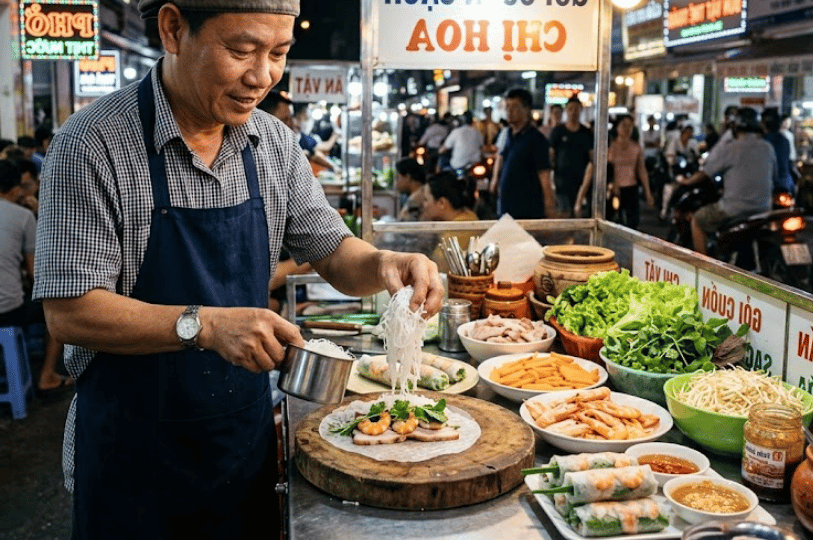
They feel intrinsically like street food as for a Vietnamese cuisine because they are designed for immediate, handheld consumption. There is no need for bowls or chopsticks. The rice paper wrapper acts as an edible, portable vessel. Unlike a heavy bowl of soup that tethers you to a table, a spring roll allows you to pause, eat, and continue with your day. It is food that meets you exactly where you are, offering sustenance without weighing you down.
What to Look for in a Good Roll
A truly great roll is an exercise in textural harmony. The foundation is the bánh tráng, or rice paper. The texture of the rice wrappers should be soft and yielding, with just enough elasticity to hold the filling together. If it is too tough, the cook did not hydrate the rice sheets properly. If it is falling apart, it was soaked for too long.
Inside, you want to feel the distinct chew of fine rice vermicelli noodles. These thin threads provide substance and absorb the flavors of whatever you dip them into. The bite of the herbs should be sharp and clean.
It is important to understand the contrast between these delicate rice paper rolls and other wrappers. When you eat fried spring rolls or heavy egg rolls, you are experiencing hot oil and a shattering crunch. Gỏi cuốn offers the exact opposite. It is entirely fresh, relying on the natural crispness of raw ingredients rather than a deep fryer.
The Fillings, From Classic to Personal
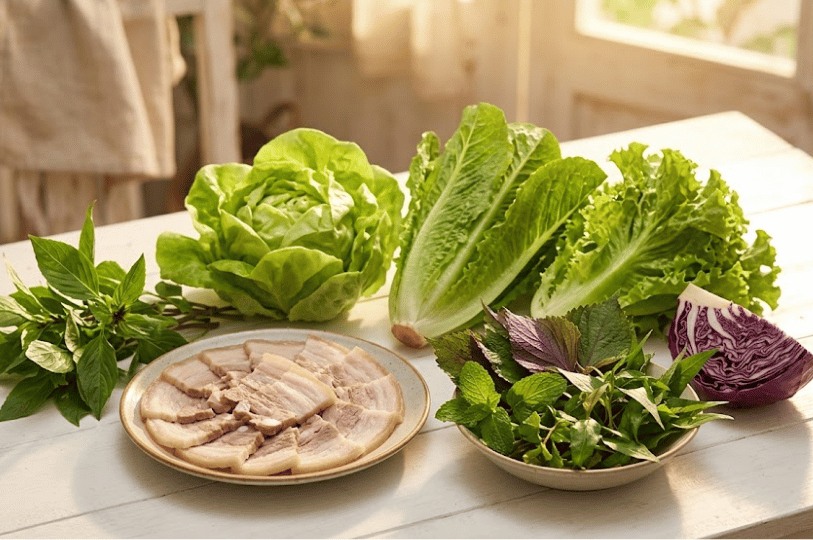
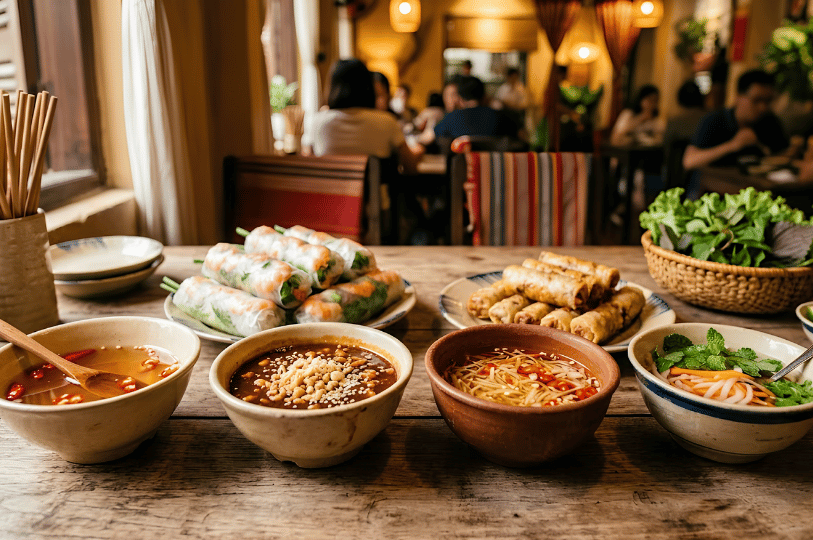
The most iconic version of this snack is gỏi cuốn tôm thịt. This classic combination pairs the gentle sweetness of steamed shrimp with slices of thịt ba chỉ, or boiled pork belly. The pork belly adds a necessary richness that grounds the lighter ingredients. However, the beauty of this dish is its adaptability. You will frequently find variations using tender shredded chicken or even fried tofu.
The true soul of the roll, however, lives in the greens. A vendor will typically use a base of soft lettuce to cradle the other filling ingredients. This could be butter lettuce, crisp romaine lettuce, green leaf lettuce, or simple rau xà lách. Some might just refer to the local greens as xà lách or rau diếp.
Tucked alongside the lettuce are the aromatic herbs, known collectively as rau thơm or rau sống. You might taste the distinct, peppery anise of thai basil or the earthy warmth of tía tô, a type of perilla leaf. The inclusion of fresh veggies like crisp bean sprouts and sometimes even thinly sliced red cabbage adds a satisfying crunch. The philosophy here is to use all the vegetables available to create a complex, hydrating bite that features các loại rau in perfect harmony.
Dipping Sauces That Change the Whole Bite
A roll is only half the experience. The dipping sauce you choose fundamentally alters the character of the snack.
Many people gravitate toward nuoc cham, a brilliant, watery sauce built on a foundation of good nước mắm, or fish sauce. When you mix fish sauce with fresh lime juice, sugar, garlic, and chili, you create nước mắm chua ngọt. This sweet and sour elixir is bright and acidic. The nước cốt, or pure extract of the citrus, cuts through the richness of the pork belly beautifully.
Alternatively, you might prefer a thick, savory peanut sauce. A good peanut dipping sauce often starts with a base of hoisin sauce and incorporates crunchy peanut butter or freshly roasted, crushed peanuts. It is rich, dark, and deeply comforting.
Some eateries might also offer a simple sweet chili sauce or a savory soy sauce blend. Whether you prefer a light spring roll dipping sauce or a hearty, thick dipping sauce, the ritual is the same. You take a bite, you dip, and you let the flavors mingle.
A Practical How-To, Lightly
If you decide to make these at home, the process is less about formal cooking and more about assembly. You do not need a complicated cook mode or a blazing stove.
Start by gathering your ingredients and setting up a rolling station. You will need a large pot or a small pot to boil your shrimp and pork. If you are cooking the meat yourself, a few minutes on medium heat or high heat is usually enough to cook everything through without making it tough.
Once the proteins are sliced into thin strips and the rice vermicelli is boiled and drained, the real work begins.
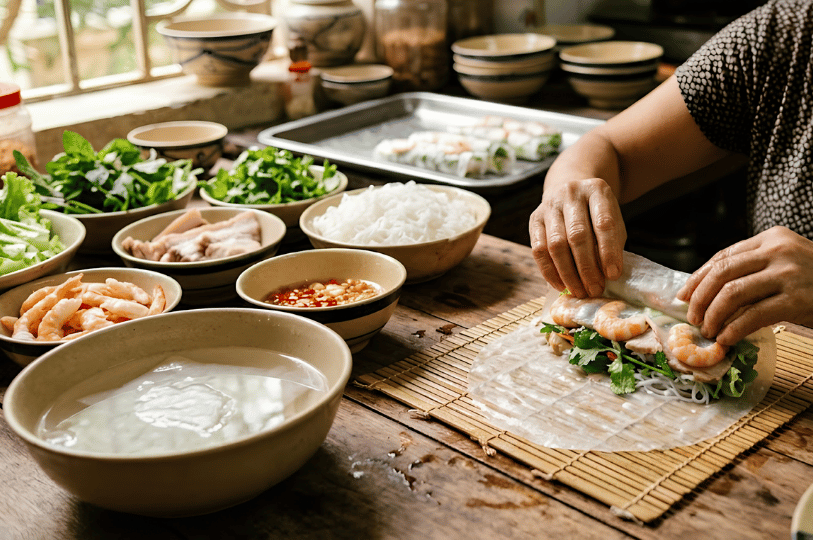
The rolling technique takes a little practice. Fill a large bowl with water. Some people swear by warm water, while others prefer lukewarm water, hot water, or even cold water.
A good rule of thumb is that warmer water softens the paper faster, but cooler water gives you more time to work. Take a single sheet of rice paper and quickly dip it into the water. A quick dip is all you need. Do not let it soak. Lay the moistened paper on a flat surface.
Place your lettuce, herbs, noodles, and meats in the lower third of the paper. Fold the bottom over the filling, tuck in the left and right sides, and roll tightly upward.
If you want to make them a few hours ahead of time, you must protect the rice paper from drying out. Wrapping the finished rolls individually in plastic wrap or placing them between sheets of damp parchment paper will keep them soft until you are ready to eat.
Where to Eat It, and What to Order
When you visit a Vietnamese eatery, ordering gỏi cuốn is almost mandatory, alongside dishes the Banh Mi sandwich. They serve as the perfect prelude to a larger meal.
Look around the dining room. If you see every table sharing a plate of fresh rolls, you are in the right place. When you order, ask for the classic shrimp and pork version first. Pay attention to how the rolls are constructed. Are they tight and neat, or loose and falling apart? Are the herbs fragrant and vibrant? A restaurant that takes pride in its fresh spring rolls is a restaurant that respects its ingredients.
Do not be afraid to ask for extra sauce, or to request both the peanut sauce and the clear fish sauce dressing. Alternating between the two sauces keeps your palate awake and makes every single bite feel like a new discovery.
The Quiet Comfort of Returning
Eating food like this forces us to slow down and appreciate the simple, unadorned flavors of nature. We do not need heavy fats or complex culinary manipulations to find joy in a meal. Sometimes, we just need fresh herbs, soft noodles, and a moment of peace.
When people talk about the food they make at home, they often look for an authentic recipe or an original recipe that captures this exact feeling. You will see people leaving comments online, navigating required recipe ratings to proudly proclaim that their version was a wonderful recipe or a great recipe. They will tell you it tasted great and was absolutely delicious. They love spring rolls because making them feels like an act of care.
But whether you make them in your own kitchen or order them from a small table on a humid pavement, the question remains. Would we come back for this? For a dish that offers such pure, grounding comfort, the answer is always yes. We will always return for the quiet, sustaining balance of a perfectly rolled gỏi cuốn.