Japanese cuisine has always found beauty in simplicity. A bowl of rice, a few carefully selected ingredients, and thoughtful preparation can reveal centuries of tradition, seasonal awareness, and respect for nature. While sushi and sashimi often receive global attention, there is another Japanese dish that quietly represents the same philosophy: chirashi don.
At first glance, chirashi don may appear to be a simple seafood rice bowl. However, beneath its colourful presentation lies a deeper story about Japanese craftsmanship, ingredient selection, and the relationship between food and seasons.
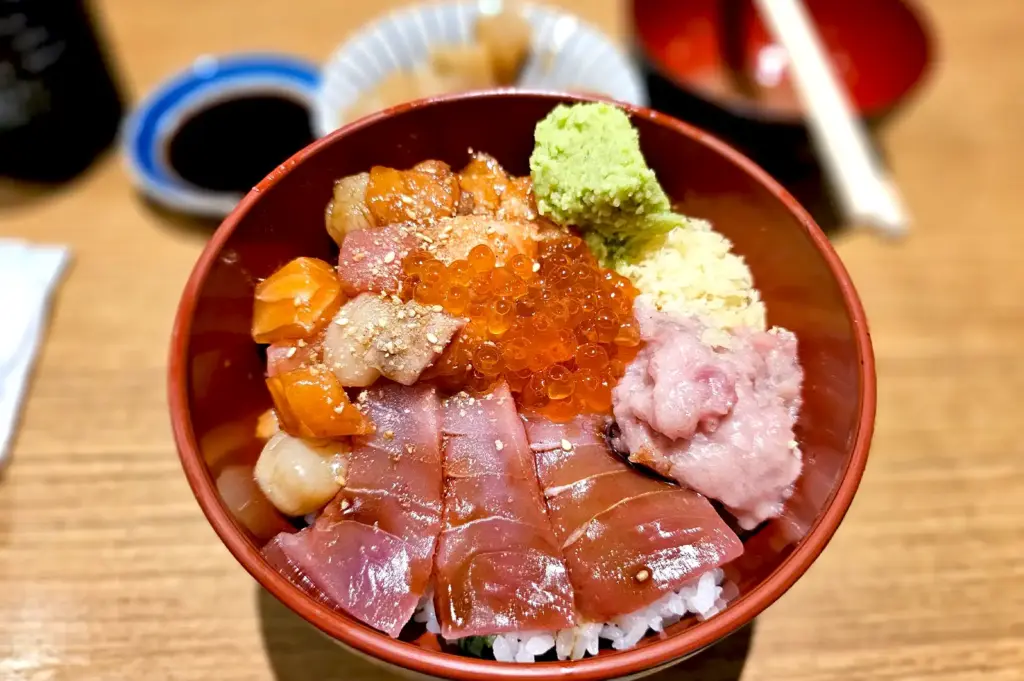
Known for its beautifully arranged toppings of seafood, vegetables, and garnishes placed over seasoned rice, chirashi don offers diners a way to experience many flavours in a single bowl. More than just a meal, it reflects the Japanese approach of allowing each ingredient to speak for itself.
What Is Chirashi Don? Understanding Japan’s Scattered Sushi Tradition
The word chirashi means “scattered” or “spread out,” while “don” refers to a donburi-style rice bowl. Together, chirashi don describes a bowl of rice topped with a variety of ingredients that are scattered across the surface.
The dish is closely connected to chirashi sushi, also known as scattered sushi, a traditional Japanese preparation where toppings are arranged over vinegared sushi rice instead of being rolled or shaped into individual pieces. Unlike maki rolls, where ingredients are wrapped inside seaweed, chirashi allows every ingredient to remain visible. This creates a dish where colour, texture, and freshness become part of the dining experience.
While many versions feature raw fish and fresh seafood, chirashi can also include cooked seafood, vegetables, egg, and other seasonal ingredients. This flexibility is one reason why there are many types of chirashi found throughout Japan.
Historically, chirashi sushi was enjoyed during celebrations and special occasions, including Girl’s Day (Hinamatsuri), where colourful and carefully prepared foods were shared with family and loved ones. As a festive dish, chirashi represented more than abundance; it reflected wishes for happiness, good fortune, and appreciation for seasonal ingredients. Over time, the dish evolved into different regional interpretations, including the modern chirashi bowl commonly found in sushi restaurants and Japanese dining establishments around the world.
The Foundation of Chirashi Don: Why Sushi Rice Matters
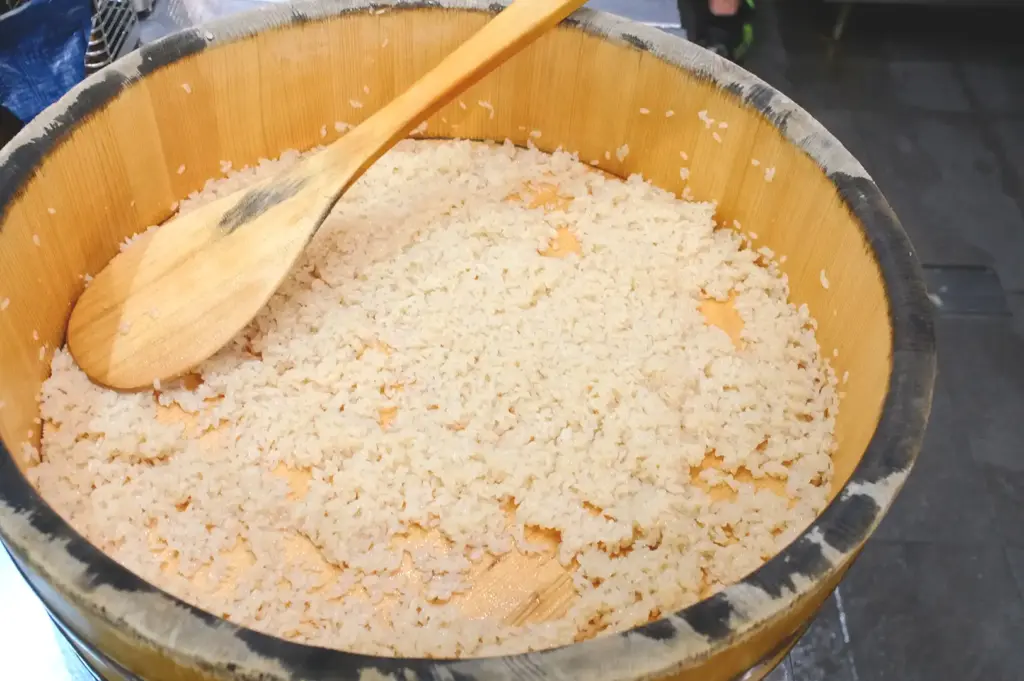
Although the toppings often capture attention first, the true foundation of a great chirashi don is the rice beneath. Unlike a regular bowl made with plain steamed rice, chirashi don relies on properly prepared sushi rice. Japanese chefs typically use short grain rice, which has the ideal balance of softness, stickiness, and texture needed for sushi preparation.
The process of making sushi rice requires precision. After the rice cooks, it is mixed with a seasoning blend made from rice vinegar, sugar, and salt to create vinegared rice. The rice is then allowed to cool slightly while being gently mixed using a rice paddle to maintain its texture.
Some home cooks may prepare sushi rice using a rice cooker, but professional sushi chefs understand that the process involves more than simply knowing when the rice cooks. Temperature, moisture, and seasoning all affect the final result.
This carefully prepared base allows the toppings to shine. The subtle acidity of seasoned rice balances the richness of seafood, creating the harmony that defines Japanese cuisine.
Our Pick For Best Chirashi Don in Singapore
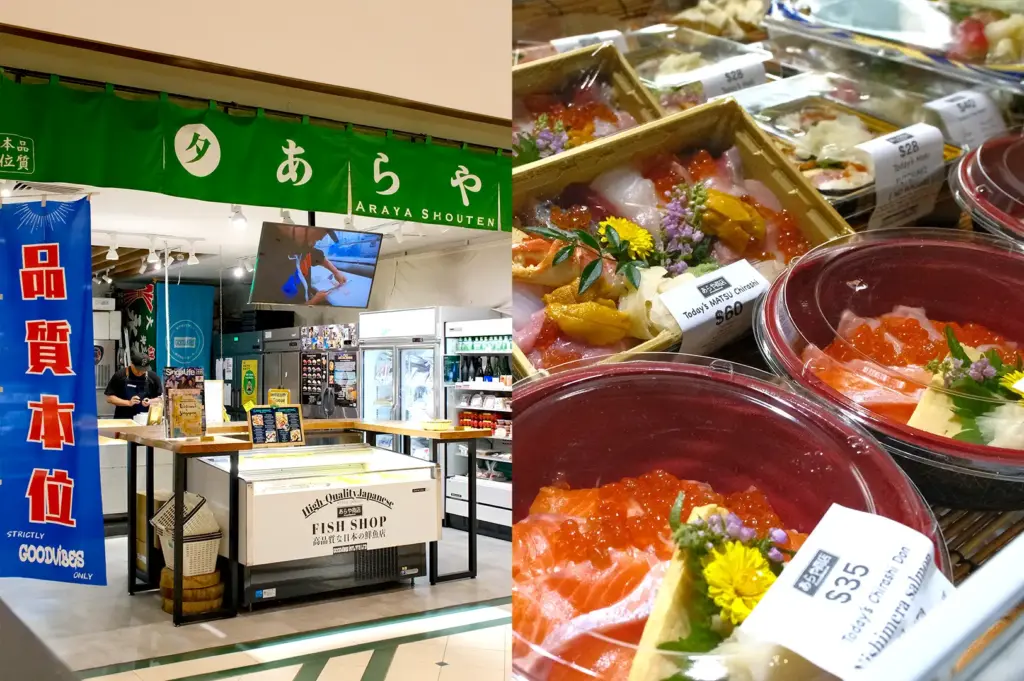
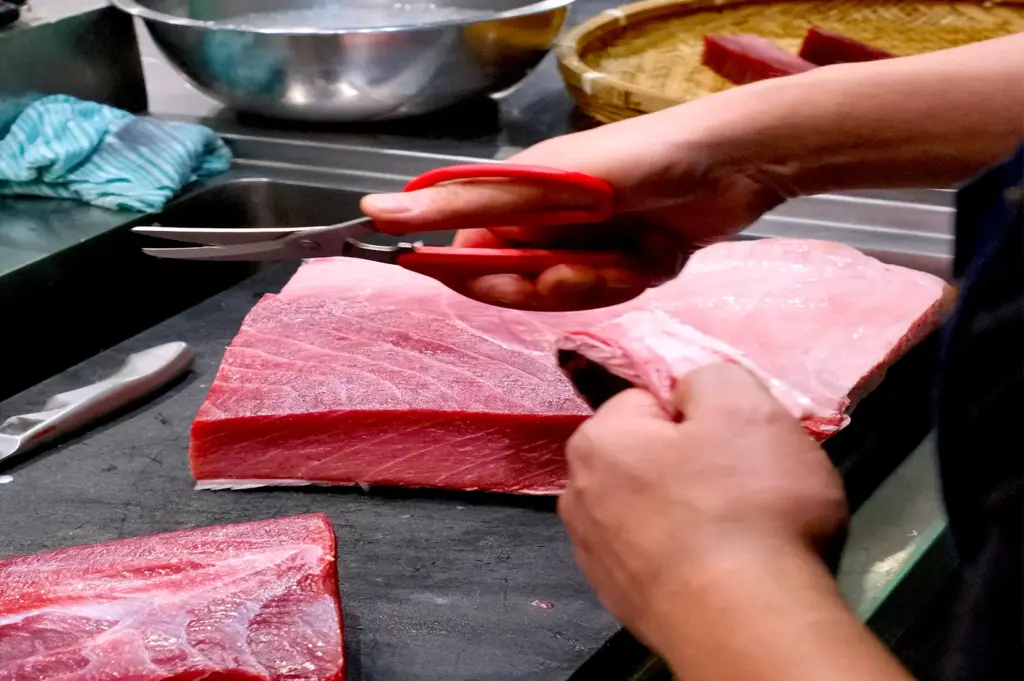
For a chirashi don, the quality of the seafood placed on top matters just as much as the rice underneath. This is why Japanese fish specialists like Araya Shouten focus on sourcing carefully selected seafood from Japan, allowing diners to experience the difference that quality ingredients bring to a simple bowl.
Their seasonal selections reflect the same attention to detail found at a traditional sushi bar, where every component (from the rice to the fish) plays a role in the final experience.
When you make chirashi at home, choosing well-prepared sushi rice is only the first step. Pairing it with thoughtfully sourced seafood, such as the best sashimi and the likes, can transform a simple rice bowl into something closer to the chirashi don experience commonly served in Japanese dining.
The Ingredients That Bring Chirashi Don to Life
One of the most fascinating aspects of chirashi don is that every bowl can tell a different story. The ingredients chosen often reflect the season, the chef’s philosophy, and the quality of available seafood.
Seafood: The Heart of the Chirashi Bowl
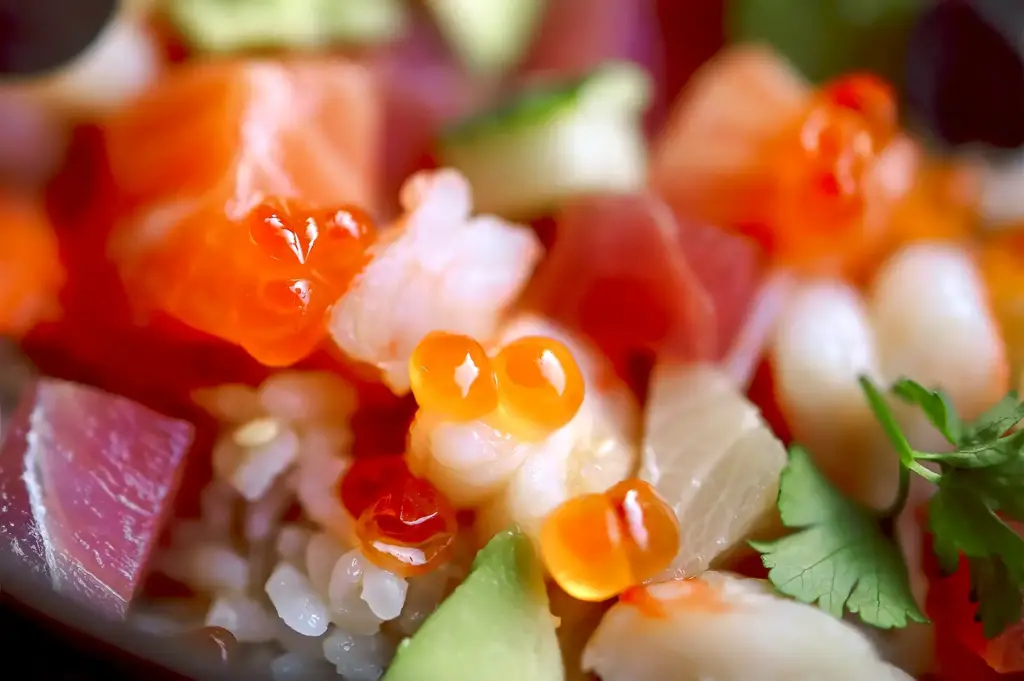
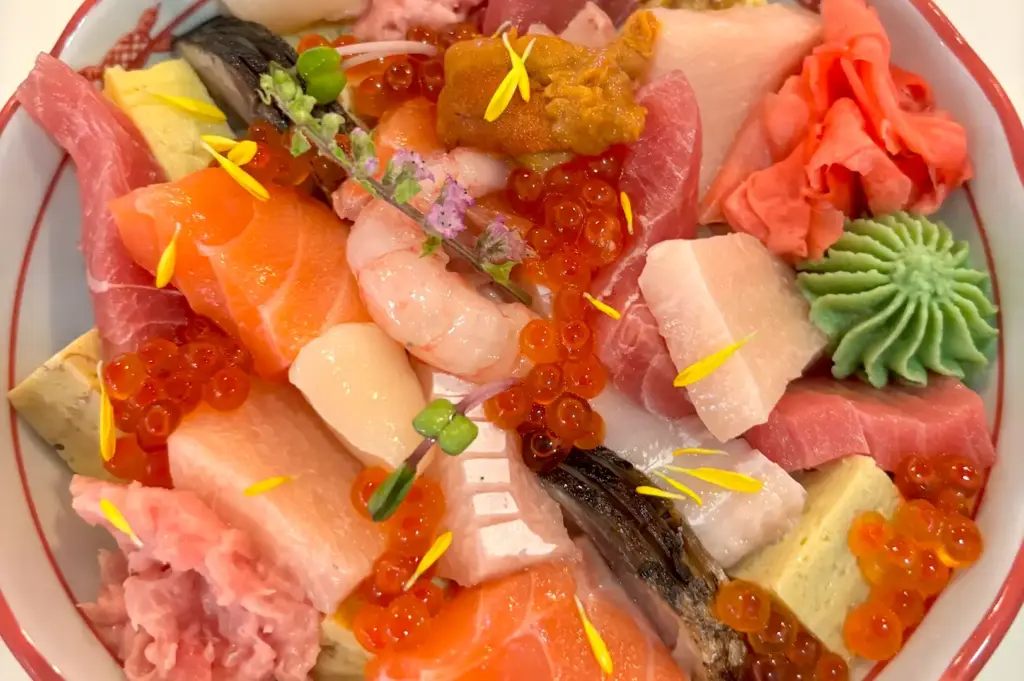
Many chirashi don varieties feature fresh sashimi, including popular choices such as tuna, salmon, scallops, prawns, and other seasonal seafood. A bowl may include assorted sashimi or mixed sashimi, creating a colourful combination of flavours and textures. Premium versions may feature delicacies such as:
salmon sashimi
salmon belly
salmon avocado
salmon roe
ikura salmon
flying fish roe
crab meat
uni
marinated seafood
The use of raw seafood highlights one of the central ideas in Japanese dining: quality ingredients require minimal interference. Rather than covering seafood with heavy sauces, chefs often rely on simple additions such as soy sauce, real wasabi, or subtle seasonings to enhance natural flavours.
The use of raw seafood highlights one of the central ideas in Japanese dining: quality ingredients require minimal interference. Rather than covering seafood with heavy sauces, chefs often rely on simple additions such as soy sauce, real wasabi, or subtle seasonings to enhance natural flavours.
Vegetables and Garnishes: More Than Decoration
The colourful appearance of chirashi don is not only about presentation. Each topping contributes flavour, texture, and seasonal meaning. Traditional additions may include:
Ingredients such as these create contrast against the seafood, adding sweetness, freshness, and texture to the bowl.
Some contemporary versions may introduce modern touches such as sesame oil, truffle oil, or sauces like mentaiko sauce. While these additions are newer interpretations, they continue the tradition of adapting dishes while respecting their foundations.
Exploring Different Types of Chirashi Don
Because chirashi is such a versatile dish, many variations have developed over time.
Bara Chirashi Don
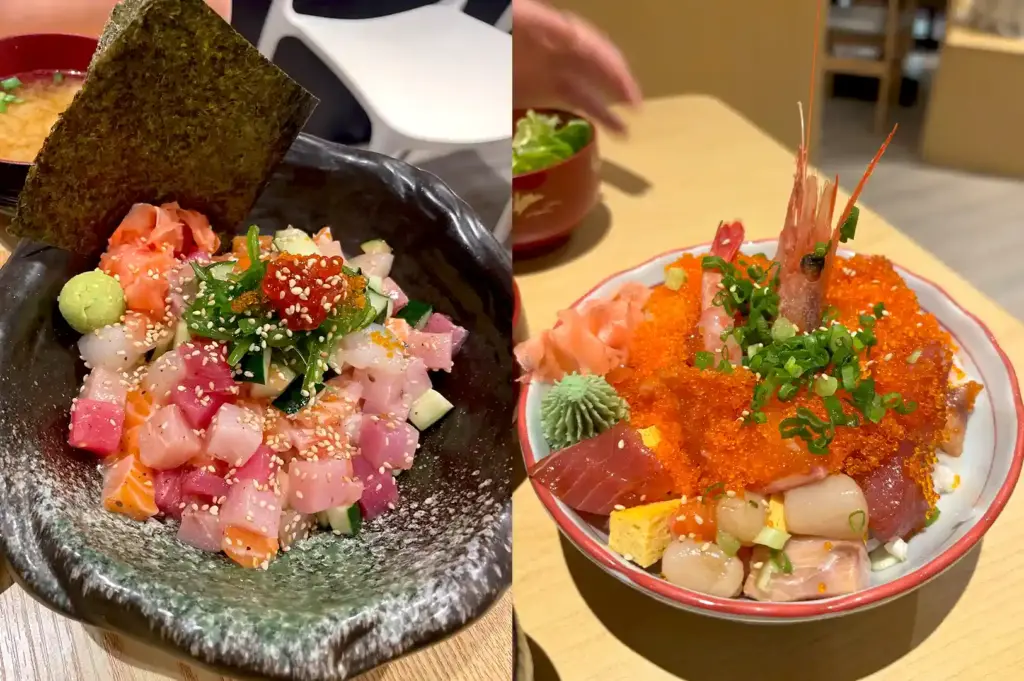
Bara chirashi don is one of the most popular versions, featuring small cubes of mixed seafood scattered across sushi rice. The term bara chirashi refers to the idea of ingredients being cut and mixed together, creating a vibrant and accessible style of chirashi.
Kaisen Chirashi Don
A kaisen chirashi don focuses heavily on seafood. The word “kaisen” refers to seafood, making this version especially popular among diners looking for premium seafood combinations.
Often featuring high-quality sashimi, roe, and seasonal catches, kaisen chirashi don represents the luxurious side of this Japanese classic. Some restaurants also offer elevated versions such as a premium kaisen irodori don, where multiple seafood varieties are carefully arranged to showcase colour, texture, and freshness.
Irodori Chirashi Don
“Irodori” means colour or variety, making irodori chirashi don a celebration of visual balance. These bowls often feature multiple ingredients arranged carefully to highlight different colours and textures.
Ikura Don and Other Variations
For seafood lovers, an ikura don places salmon roe at the centre of the dish, creating a bowl focused on the delicate texture and briny flavour of roe.
Other Japanese rice bowl variations, such as kaisen don, gomoku sushi, and even modern creations like aburi salmon don, show how Japanese chefs continue exploring different ways to present seafood and rice.
Chirashi Don vs Sushi, Sashimi Bowls, and Modern Rice Bowls
While chirashi don shares similarities with other Japanese dishes, its identity comes from its unique presentation.
Traditional sushi focuses on individual pieces where the chef carefully balances rice and topping together. A sashimi bowl, meanwhile, usually highlights slices of raw fish served over rice. Chirashi don sits somewhere between these experiences. It combines the variety of a seafood platter with the comfort of a rice bowl.
Unlike a poke bowl, which has evolved from Hawaiian cuisine and often incorporates different sauces and modern combinations, chirashi remains rooted in Japanese sushi traditions. Whether enjoyed at a traditional sushi bar or a contemporary restaurant, chirashi continues to represent Japan’s appreciation for balance and ingredient quality.
Why Chirashi Don Continues to Captivate Food Lovers
In a world where dining trends often focus on complexity and novelty, chirashi don remains appealing because of its simplicity. Every bowl reflects careful choices:
the quality of the seafood
the preparation of the rice
the balance of flavours
the seasonal ingredients selected
The best chirashi don experiences are not necessarily the ones with the most toppings, but those where every ingredient has a purpose.
From the precision of preparing sushi rice to the thoughtful arrangement of seafood, chirashi don demonstrates the Japanese belief that food is about more than taste. It is about connection; between ingredients, seasons, traditions, and people.
A bowl of chirashi may look colourful and inviting, but its true beauty lies in the story behind it. Like many beloved Asian dishes, it carries history and culture in every bite, reminding us that even the simplest meals can reveal something meaningful about the way people eat and live.