For a long time, I assumed there was a single secret behind Chinese food. Maybe it was soy sauce. Maybe it was the wok. Maybe it was some mysterious sauce passed down through generations. I kept looking for the one ingredient that explained everything.
Then one evening at a noisy zi char restaurant in Singapore, it finally clicked. I was watching a table beside me order. They got a steamed fish, a plate of greens, a tofu dish, a noodle dish, and one crispy chicken. Nobody fought over the menu. The order just felt complete. That was the moment I understood the truth. Chinese food is not held together by one ingredient. It is held together by a way of thinking, much like the thoughtful progression found in an omakase Singapore dining experience.
In my experience, the real thread is a pattern. It connects balance, technique, texture, season, and the simple act of eating together. Once you see that pattern, every meal makes more sense. Let me walk you through it.
China Noodle and the Thread Beneath Chinese Cooking
The first thing i had to unlearn about Chinese food was the idea that one ingredient could explain it. Not even the iconic china noodle can carry the whole story alone.
What holds Chinese cooking together is not one sauce, one spice, or one national flavor. It is the habit of balance: soft against crisp, rich against clean, hot oil against cool vegetables, a large bowl of soup beside a large plate of stir fried noodles. A dish is rarely just a dish. It is texture, timing, heat, family, and memory.
That is why Chinese food can feel both vast and familiar. In northern China, wheat noodles and dumplings often sit at the center of the table. In southern China, rice noodles, fresh yellow noodles, seafood, and lighter broths show up more often. Across regional cuisines, the ingredients change, but the instinct remains: cook with purpose, feed the table, and make everyday ingredients feel generous.
Chinese Chicken Noodle Soup and the Beauty of Clear Broth
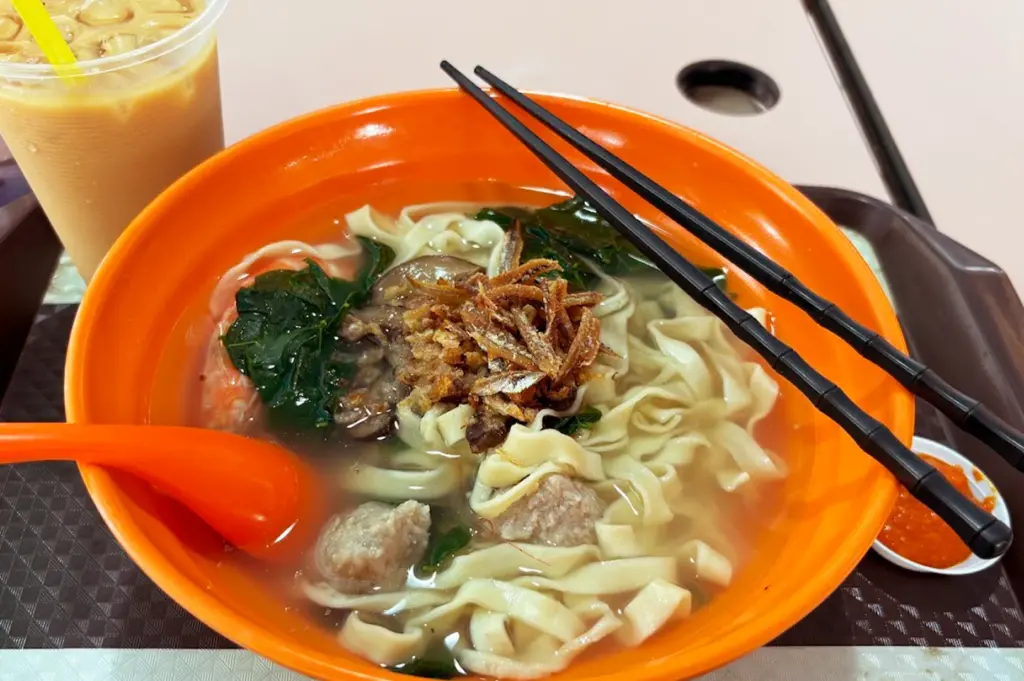
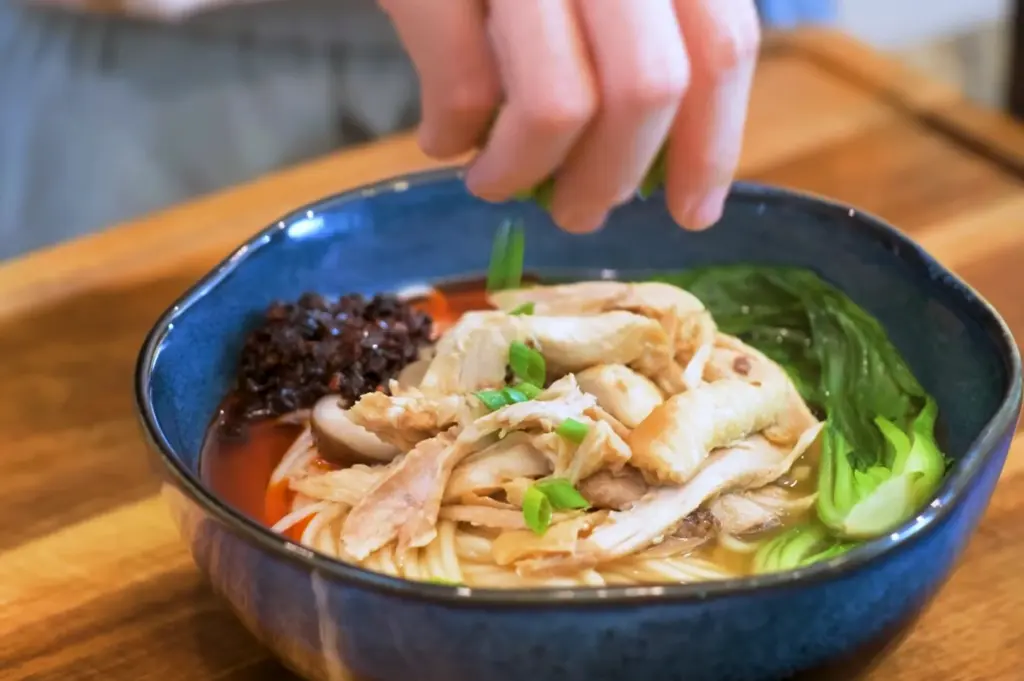
A good chinese chicken noodle soup teaches restraint. The broth should not shout. It should hum.
In many versions, the soup begins with chicken, ginger, garlic, spring onions, and enough time for the liquid to become clean and fragrant. The noodles should stay springy, not bloated. Baby bok choy or other vegetables add a soft green snap. A few drops of sesame oil can round the edges. Light soy sauce may bring salt and depth, but it should not turn the soup muddy.
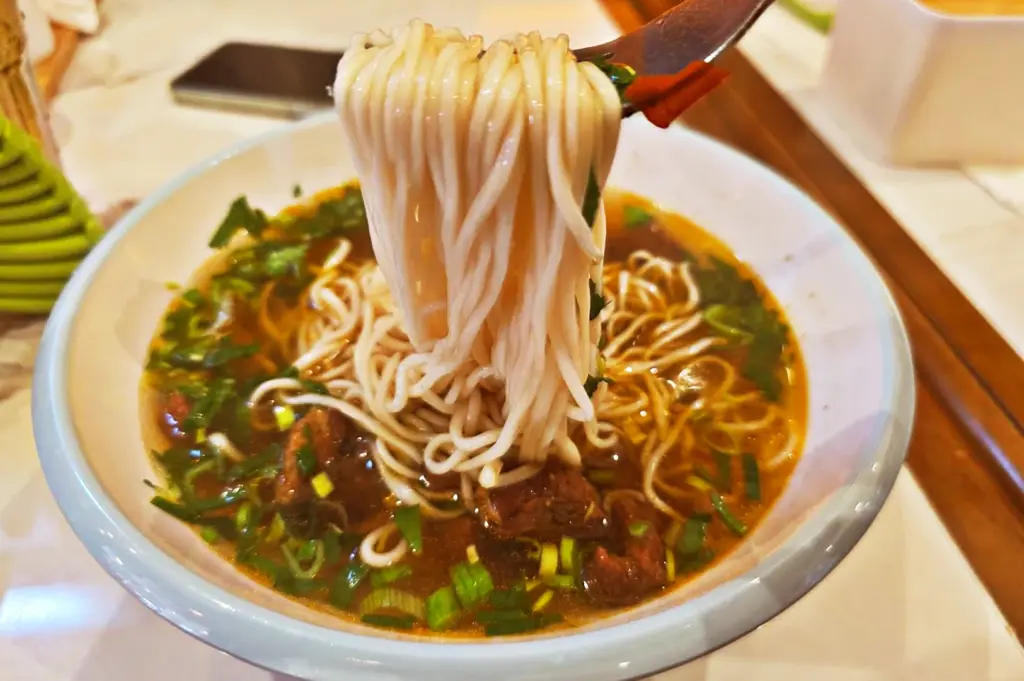
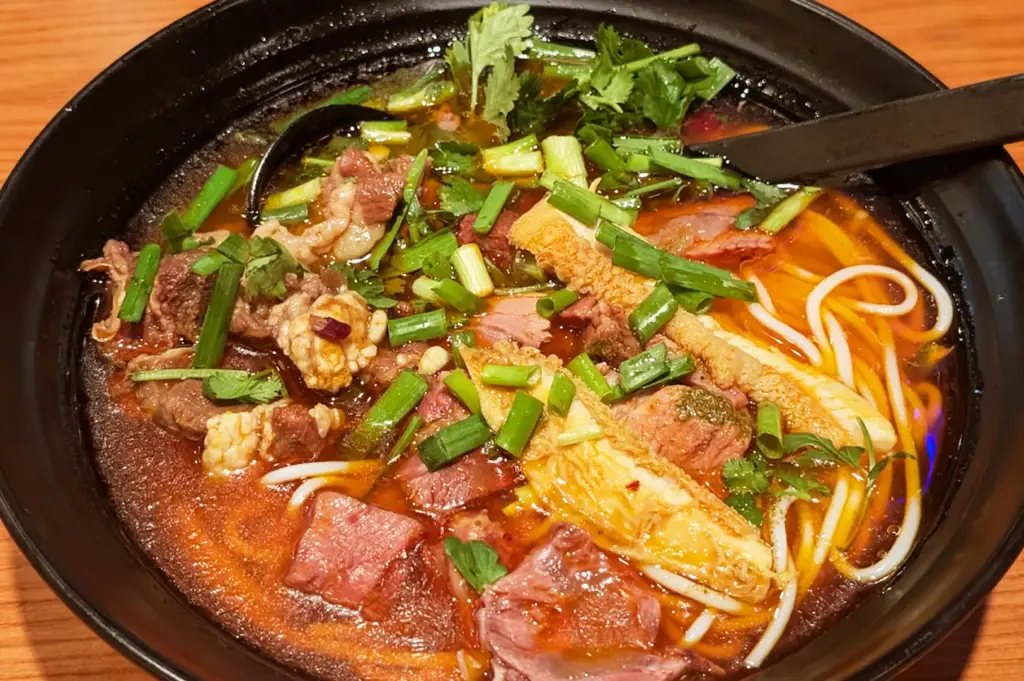
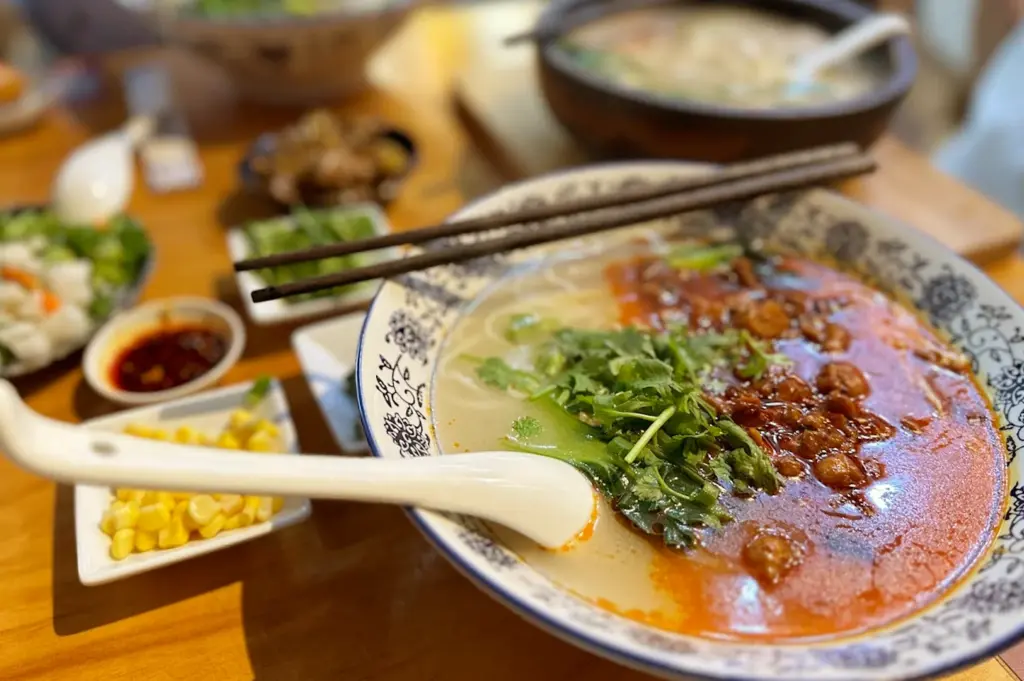
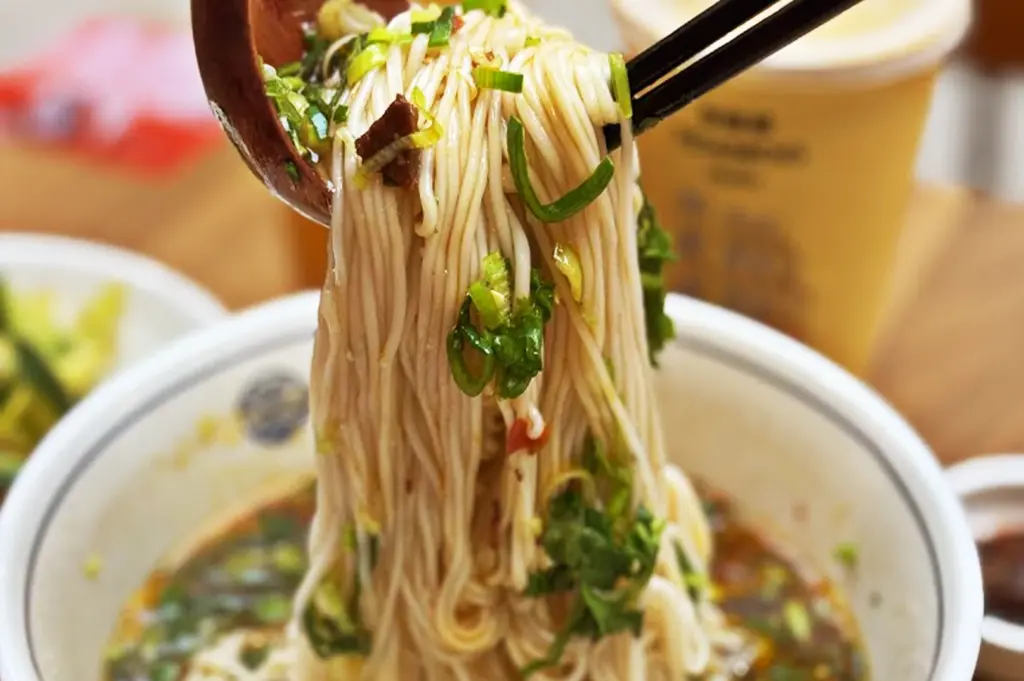
This is where beginners sometimes get confused. A clear beef broth belongs more naturally to dishes like Lanzhou-style beef noodles, where the soup is pale, aromatic, and lifted by herbs, chilli oil, or sliced beef. Chicken noodle soup has its own quieter language: gentle, warm, and almost medicinal.
What to notice:
Broth: clear, fragrant, not greasy
Noodles: springy, separate, never clumped
Aromatics: ginger, garlic, green onions, spring onions
Finish: sesame oil, light soy sauce, or chilli sauce if you want heat
Fried Noodles, Lo Mein Noodles, and the Smoke of High Heat
If noodle soup is comfort, fried noodles are movement. They need speed, heat, and nerve.
Aspect | Description |
|---|
Noodle Dish | Should carry the smoky breath of high heat, coated but not drowned in sauce |
Bean Sprouts | Should remain crunchy |
Green Onions | Should smell bright |
Ingredients | Meat, tofu, egg, vegetables, and sauce should blend harmoniously in each mouthful |
Lo Mein | Usually tossed rather than aggressively fried until dry |
Lo Mein Sauce | Made with soy sauce, dark soy sauce, light soy sauce, sesame oil, garlic, and sometimes Shaoxing wine |
Result | Glossy and savory noodles with enough sauce to cling, but not pool sadly at the bottom |
Common Home Recipe | Store-bought noodles, sliced chicken or pork, bean sprouts, vegetables, sauce of soy sauce, sesame oil, garlic, and seasonings |
Cooking Tip | Wok must get hot enough to avoid wet, limp, and sweet noodles without aroma |
Noodles That Wake the Table
Chinese noodle dishes are as diverse as the regions they come from, each bringing unique textures, flavors, and cooking techniques to the table. From comforting broths to fiery chili oil sauces, these dishes showcase the versatility and cultural richness of china noodle traditions.
Noodle Soup
Not every Chinese noodle dish is gentle. Some arrive with heat that blooms slowly, then suddenly takes over the room.
Spicy noodles often rely on chili oil, chilli sauce, garlic, sesame paste, toasted sesame seeds, and sometimes Sichuan peppercorns. That Sichuan peppercorn tingle is not the same as ordinary spice. It buzzes. It numbs lightly. It makes the lips feel awake.
Spicy Noodles
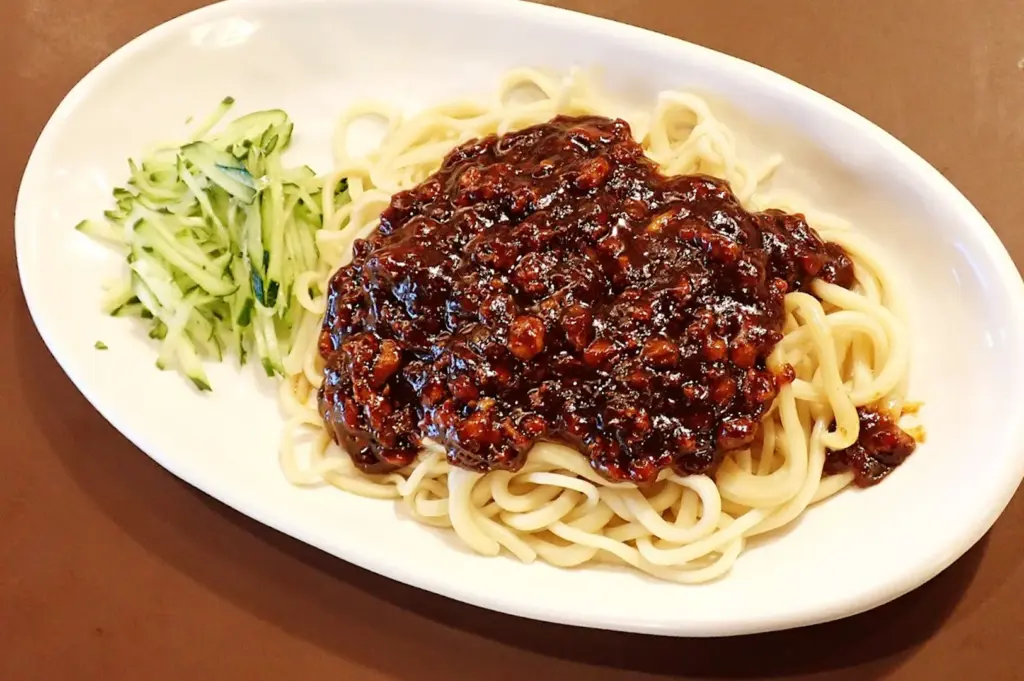
A bowl of dan dan-style noodles or zha jiang mian can show how sauce becomes structure. Zha jiang mian often uses minced pork in a dark, savory bean-based sauce, served over chewy noodles with vegetables cut into thin strips.
Dan dan noodles lean more toward sesame paste, chili oil, minced pork, and a deep roasted aroma. Sprinkle sesame seeds or toasted sesame seeds over the top, and the bowl gains both fragrance and texture.
Minced Pork, Key Ingredients, and the Logic of Sauce
A lot of Chinese food makes more sense when you stop thinking in terms of “main ingredient” and start thinking in terms of what the sauce is doing.
For noodle dishes, the key ingredients often include:
Soy sauce for salt and umami
Dark soy sauce for color and deeper sweetness
Light soy sauce for cleaner seasoning
Sesame oil for aroma
Shaoxing wine for warmth and complexity
Garlic for punch
Chili oil for heat and fragrance
Minced pork or meat for body
Vegetables for freshness and crunch
This is why Chinese cooking can make simple ingredients feel complete. Flour becomes noodles. Egg becomes silk in soup. Tofu becomes a soft landing for sauce. Pork becomes depth. Green onions become brightness. The dish works when every part has a job.
I used to think sauce was just something poured over food. Now I think of it as the thread. It connects noodles to meat, broth to vegetables, dumplings to vinegar, and rice to everything else.
Hand Pulled Noodles and the Texture Lesson
There is a reason hand pulled noodles feel different from pasta. Pasta is usually shaped with a more uniform structure. Hand pulled noodles can be uneven, elastic, and slightly unpredictable. That is the pleasure.
In noodle shops, watching chefs stretch dough into long strands feels almost impossible the first time. Flour, water, salt, pressure, rhythm. The cook slaps the dough, stretches it, folds it, repeats. What lands in the bowl is not just noodles, but labor you can chew.
Good hand pulled noodles should be:
Pair them with clear beef broth, spicy chili oil sauce, or stir fried vegetables and meat. The technique can handle many moods.
Chinese Food as a Shared Meal, Not Just a Menu
The biggest mistake first-timers make is ordering only for themselves. In many Chinese meals, the better question is: what does the table need?
A balanced spread might include:
One noodle dish, such as lo mein or fried noodles
One soup, such as chinese chicken noodle soup or clear broth
One vegetable dish, like baby bok choy with garlic
One protein, such as chicken, pork, tofu, or seafood
One comfort item, like dumplings, rice, or egg
This is the part I love most. The table becomes a conversation. Someone reaches for noodles. Someone spoons soup. Someone says the spicy dish is too spicy, then goes back for more. That is the quiet genius of Chinese food: it makes room for appetite, opinion, and family.
And yes, if your family loves noodles, you can absolutely build the whole meal around them. Just give the table contrast: something soupy, something stir fried, something spicy, something green, and something soft. Whether you’re enjoying a meal at a bustling hawker centre or exploring the diverse offerings of Cuppage food spots, the shared experience remains the same.
Easy Techniques, Better Bowls, and the Home Cook’s Way In
You do not need restaurant equipment to begin. A home cook can start with easy techniques: boiling water properly, salting lightly, not overcooking noodles, mixing sauce before the pan gets hot, and cooking vegetables quickly so they keep their snap.
For a quick meal, use store bought noodles and build a simple sauce with light soy sauce, dark soy sauce, sesame oil, garlic, and chilli oil. Add chicken, tofu, minced pork, or vegetables. Toss over high heat if you can, or mix in a large bowl if you cannot. Finish with green onions and toasted sesame seeds.
And if someone asks for the recipe by email, send it. Food traditions survive because they are repeated, adjusted, and shared.
That may be the real thread: not just noodles, sauce, soup, or rice, but the way a dish keeps moving from one hand to another.
The Last Thread of the Noodles
After years of eating my way through hawker centres, zi char joints, and dim sum halls, I have stopped searching for the one secret ingredient. There isn’t one. The thread that holds Chinese food together is a way of thinking.
It asks whether a dish is balanced, whether the table is complete, whether the textures are alive, and whether the people eating together feel cared for. Once you start asking those same questions, you will order better, eat better, and enjoy the meal far more.
So next time you sit down, slow down for a second. Look at the whole table, not just your plate. I think you will be surprised how much more sense everything makes.