I wasn’t planning to eat here.
I’d come to VivoCity for something else entirely, and by the time I was done, the mall had filled with that early-evening hum of families, shopping bags, and people drifting toward Sentosa. I was tired. I wanted something warm and uncomplicated. No theatre, no queue management drama, no menu I’d need ten minutes to decode.
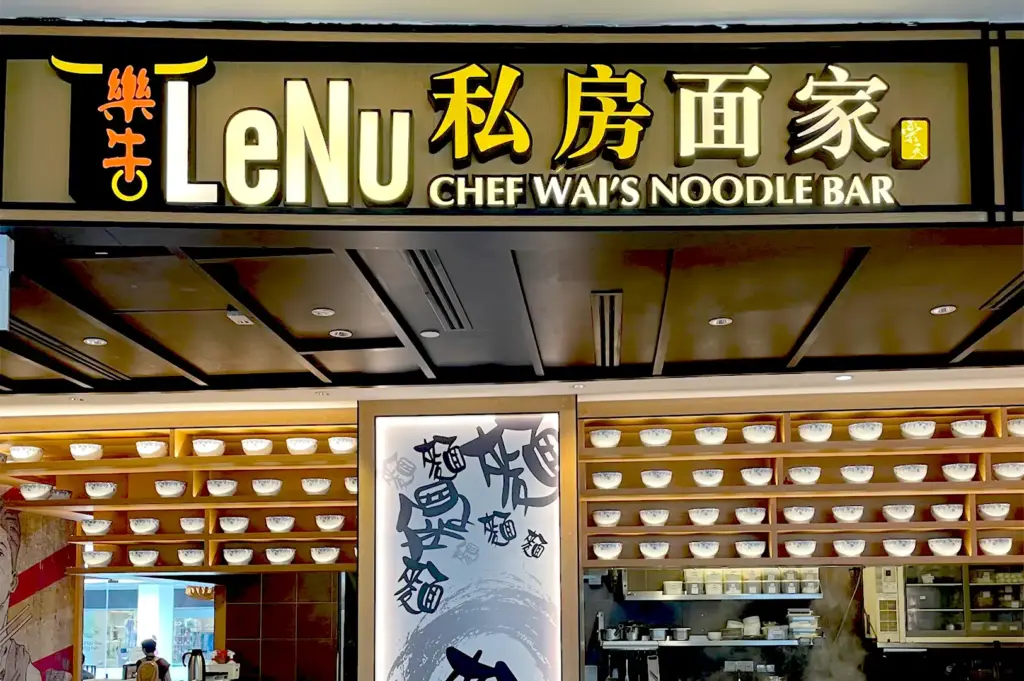
So I ended up at LeNu Chef Wai’s Noodle Bar on the second floor, almost by accident. And maybe that’s the right way to arrive at a noodle bar like this one, where the essence of authentic China noodle tradition meets modern convenience.
A Bright Room That Doesn't Try Too Hard
The first thing you notice is the light.
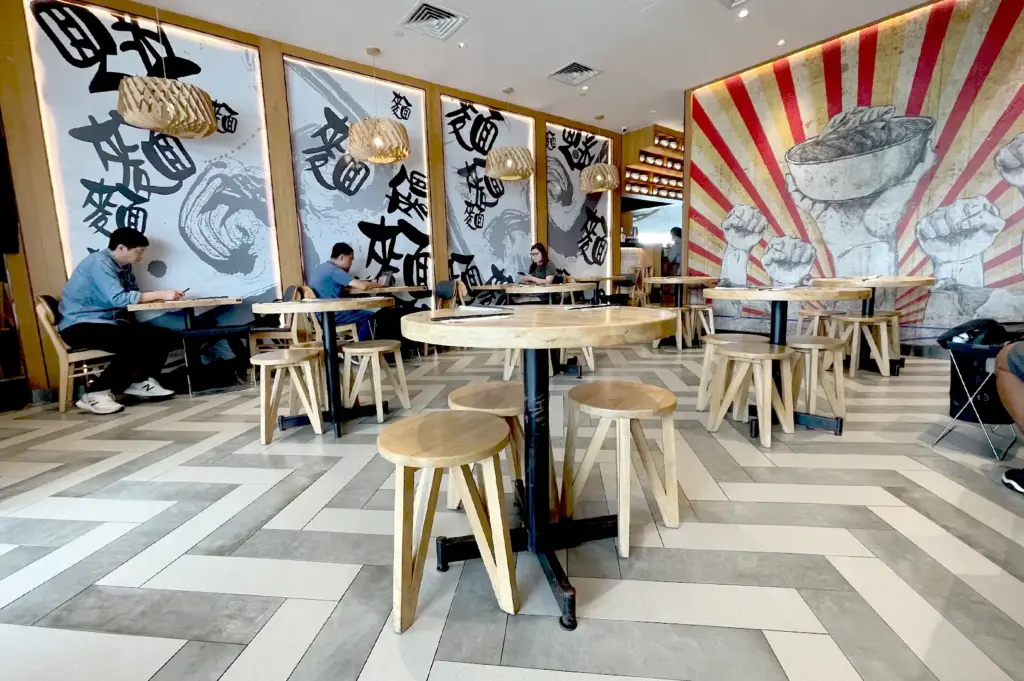
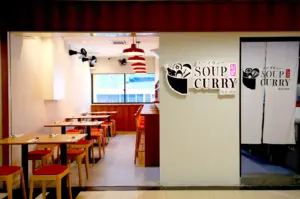
It’s bright in here, mall-bright, the kind of lighting that doesn’t pretend to be cozy. Small tables, stools instead of chairs, and an open kitchen where you can watch the team move through the steam. There’s nothing decorative about it. It feels built for one purpose: get you a bowl of noodles, let you eat, send you back out into your evening.
I sat at a small table near the edge, close enough to see the kitchen. The noise around me was the ordinary noise of a busy mall eatery. Cutlery, conversation, the occasional clatter of a tray. It wasn’t quiet. But it wasn’t trying to be a destination either, and I think that honesty works in its favour.
This is not a place you linger. The stools tell you that. You come, you eat a proper bowl, you leave room for the next person. There’s something practical about that I didn’t mind at all.
Every Chinese noodle belongs to one of three families. Get the family right, and you’re most of the way there.
The Food: Three Broths, Three Moods with the Right Noodles
LeNu builds its whole identity around the match between broth and noodle. The menu gives you a few soup personalities to choose from, and honestly, that’s the real decision here. Do you want richness, comfort, or something brighter? The cooking process here respects the texture and integrity of the noodles, whether wheat noodles or rice noodles, ensuring they hold their springy, chewy texture well in the broth.
I came hungry enough to try more than one.
Braised Beef Noodles with Chewy Wheat Noodles
Braised beef noodles was the bowl I most wanted to test, and it’s the one I’d point a first-timer toward.
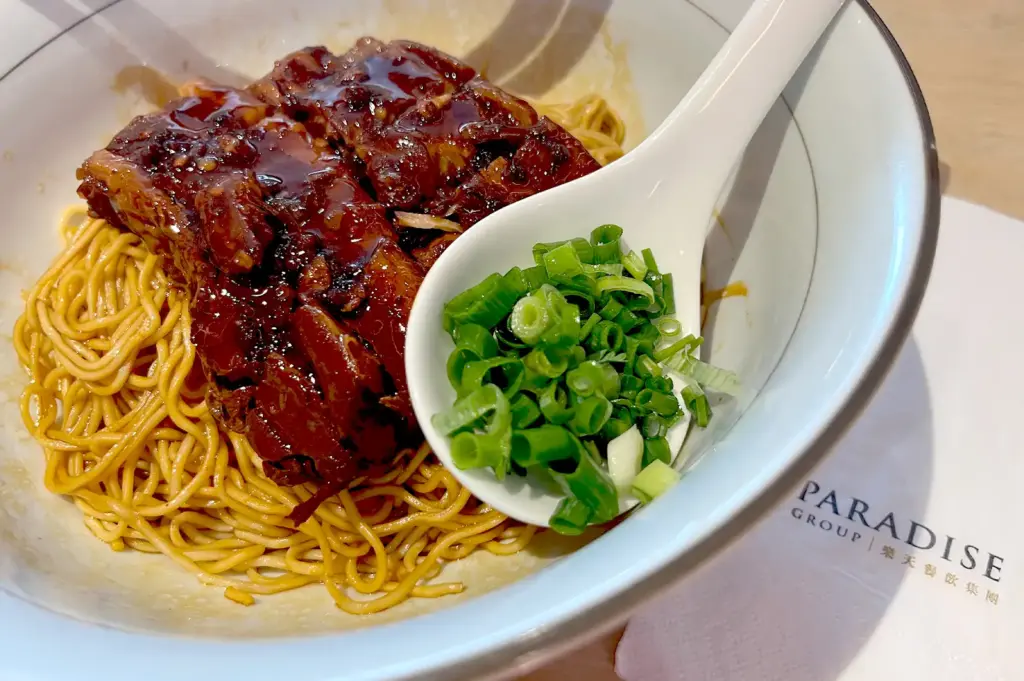
The broth arrived dark and savoury, with a rounded soy-braised aroma that hit before the bowl even landed. Deep, comforting flavors of dark soy sauce and shaoxing wine melded into a broth that tasted slow-cooked and deliberate, with enough body to lightly coat the spoon.
The beef pulled apart easily, soft but still retaining character, while the lo mein noodles stayed springy longer than expected, never collapsing even by the last bite. This bowl felt complete, with a broth that had clear identity and purpose.
Pork Bone Soup Noodles: Comforting Flavors in a Large Bowl
This one is the comfort choice, playing a gentler game than the braised beef broth.
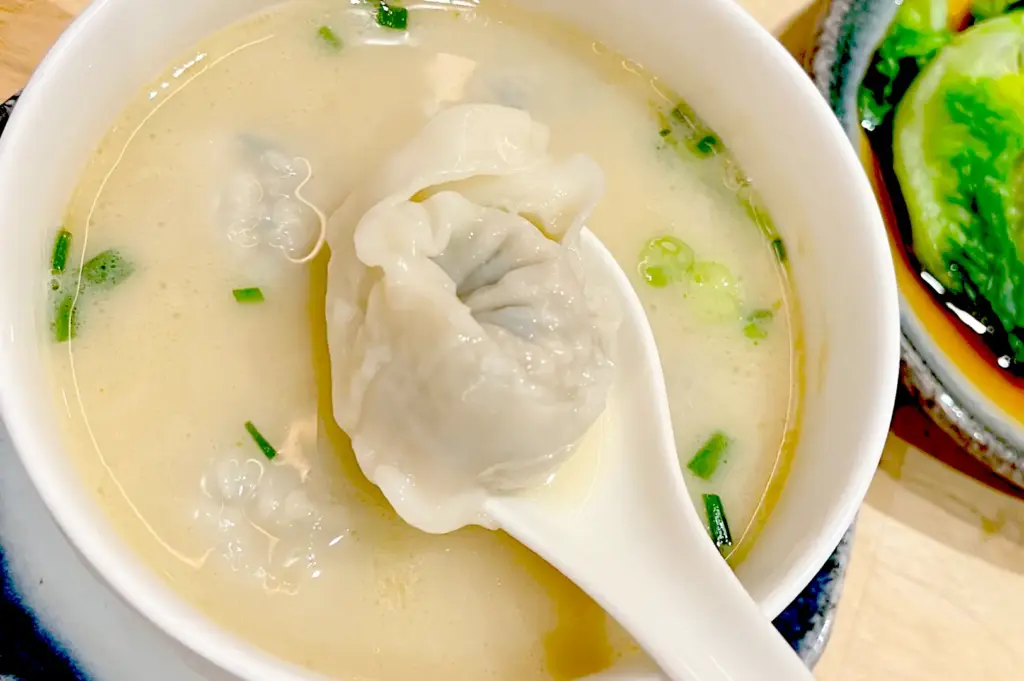
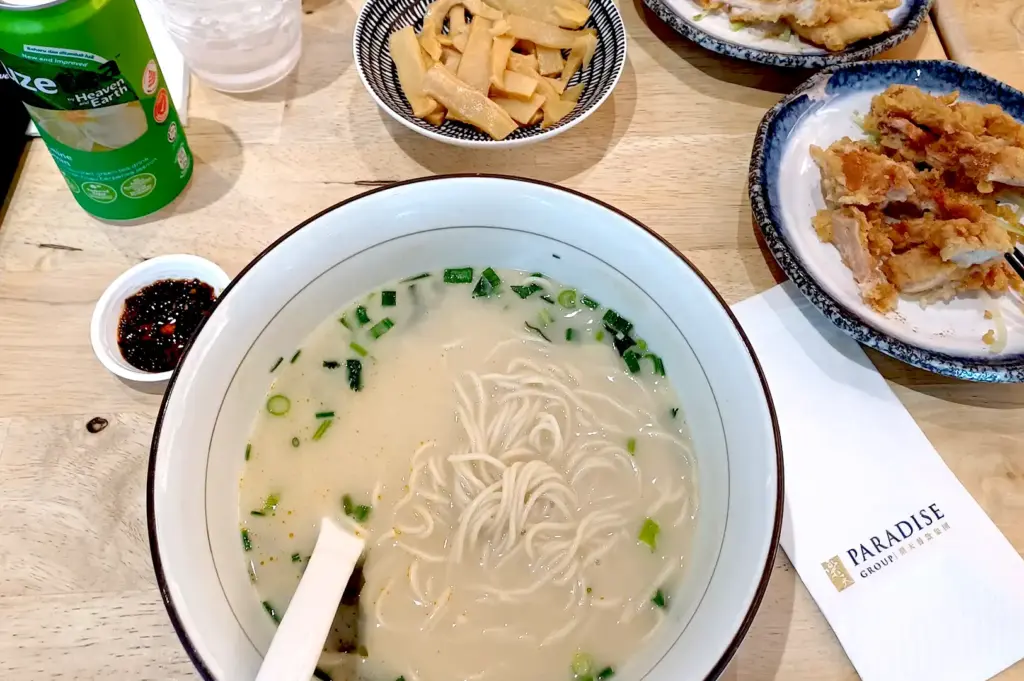
The pork bone soup is creamy and savory, simmered long to release deep flavors. Seasoned with light soy sauce and white pepper, it feels like a warm embrace, though it leans slightly salty, so sensitive eaters might want to be cautious.
The noodles remain smooth and springy, holding up well in the broth. This consistency shows the kitchen values the noodle’s texture, making it a great choice for kids or those preferring a milder broth.
Tomato Pork Bone Soup Noodles with a Bright Twist
I added tomato pork bone soup because I wanted the contrast, and I’m glad I did.
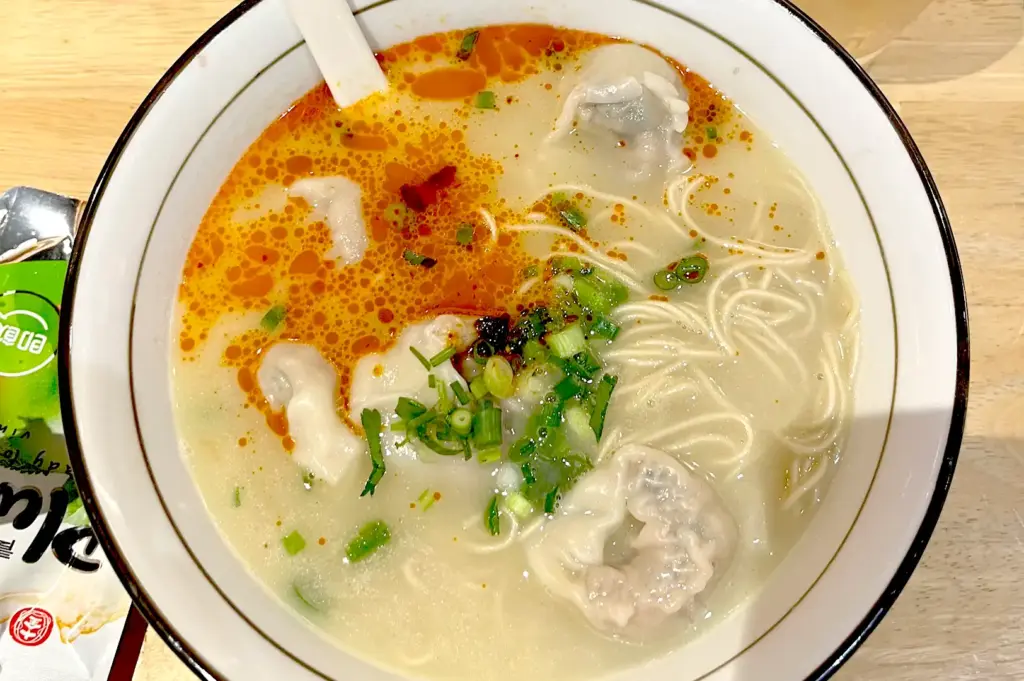
The tomato lifts the pork bone base into something brighter and more acidic. It’s the lightest of the three, the one that cuts through richness instead of piling it on. The tang sat on top of the savoury pork foundation rather than thinning it out into a weak sour soup, which is the failure mode I was watching for.
It worked. The tomato gave the bowl a freshness the other two don’t have. If you’ve been eating heavy all week, or if you just don’t want another dense, soy-dark bowl, this is the one. It’s the bowl that feels least like winter and most like an everyday meal.
Service: Quick, Plain, Functional
Don’t come here expecting ceremony.
The service is practical, which fits the format. I was seated quickly, my order was taken without fuss, and the bowls came out at a steady pace. Nobody walked me through the broth options in loving detail, but the menu makes the choices clear enough that you don’t really need it.
During my visit the kitchen pace held up well. I could see the chefs working through the open counter, and there was a rhythm to it. No long, unexplained gaps. No bowl arriving lukewarm.
I’ll be upfront: I didn’t visit at full peak. VivoCity gets genuinely busy around weekend meals and the pre-Sentosa rush, and a noodle bar with small tables turns over fast but can also fill fast. If you come during a crush, manage your expectations on wait times and elbow room. This isn’t a place built for a slow, drawn-out meal anyway.
Practical Things Worth Knowing About Chinese Cooking and the Right Noodles
A few details to help you plan:
Where it is: 1 HarbourFront Walk, #02-91, VivoCity, Singapore 098585. It’s on the second floor.
Getting there: VivoCity sits right on top of HarbourFront MRT, so it’s about as easy as it gets. Handy whether you’re coming for the mall or heading to or from Sentosa.
What you’ll spend: Roughly S$15 to S$30 per person, depending on your bowl, any sides, and a drink. Treat that as an estimate and check the current menu, but it lands squarely in quick-meal territory rather than a splurge.
When to go: If you want to actually taste the food without peak-service pressure, aim for a weekday mid-afternoon or an early dinner before 6:30pm. Weekend lunch and dinner are the busiest windows, along with public holidays and school breaks.
Booking: For a casual noodle bar, walk-ins are common, but Paradise Group runs an online reservation platform if you’d rather secure a slot during a busy period. Worth a quick check before you head down on a weekend.
A Nod to Regional Cuisines: The Place of Singapore Rice Noodles and Fried Noodles in Chinese Cuisine
While LeNu focuses on broths and noodles that hold their own in soup, it’s impossible to talk about Chinese noodle dishes without nodding to iconic stir fry classics like Singapore noodles and fried noodles.
Singapore Rice Noodles
Made from delicate rice vermicelli, often tossed with shrimp, char siu, and vegetables like bean sprouts and thin strips of carrots.
Coated in a flavorful sauce spiked with curry powder and a drizzle of sesame oil and chili oil.
The cooking process demands high heat and quick tossing in a wok to keep the noodles from turning mushy while locking in vibrant flavors.
Fried Noodles
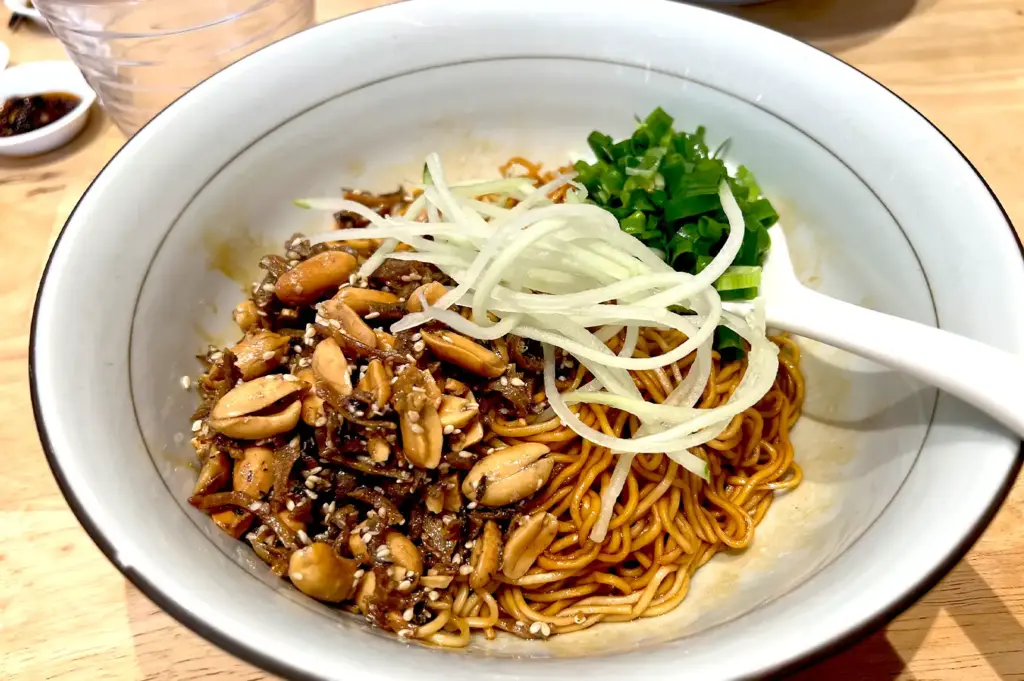
Whether lo mein noodles or wheat noodles, these rely on the right noodles that can stand up to the stir fry without losing their chewy texture.
A sauce seasoned with light soy sauce, dark soy sauce, and Shaoxing wine is essential, balanced with garlic, green onions, and sometimes a touch of white pepper to finish.
These dishes represent the diversity of Chinese cooking and the importance of knowing your noodles, whether store bought noodles or handmade, because texture and sauce absorption define the experience. Food in Cuppage Plaza also offers a vibrant selection of such noodle dishes, reflecting the rich culinary traditions of the region.
So, Who Is This For?
Here’s where I landed.
LeNu isn’t trying to be the most traditional noodle shop in Singapore, nor is it pretending to be a heritage stall with decades behind it. There’s no handmade-noodle theatre or uncle who’s been pulling dough since before you were born. That’s not the story here.
Instead, it offers something honest: a reliable bowl of Chinese noodles in a place you were probably already going to. The broths have identity. The noodles hold their bite. The beef is properly braised. For a mall, that’s more than I usually expect.
Sometimes that’s all a meal needs to be.