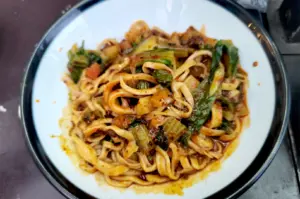
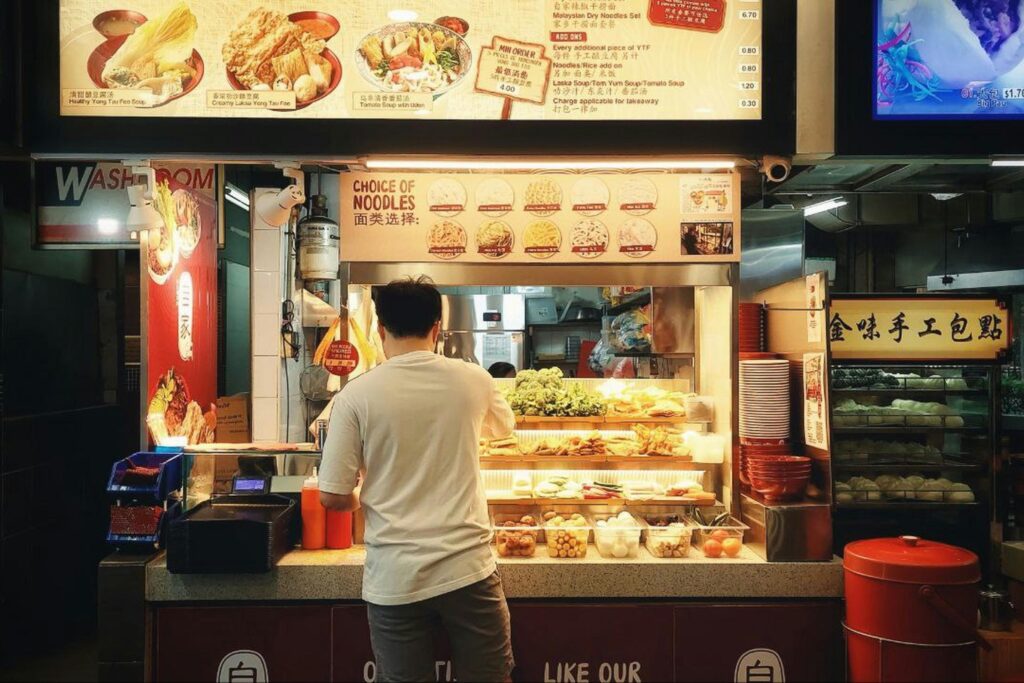
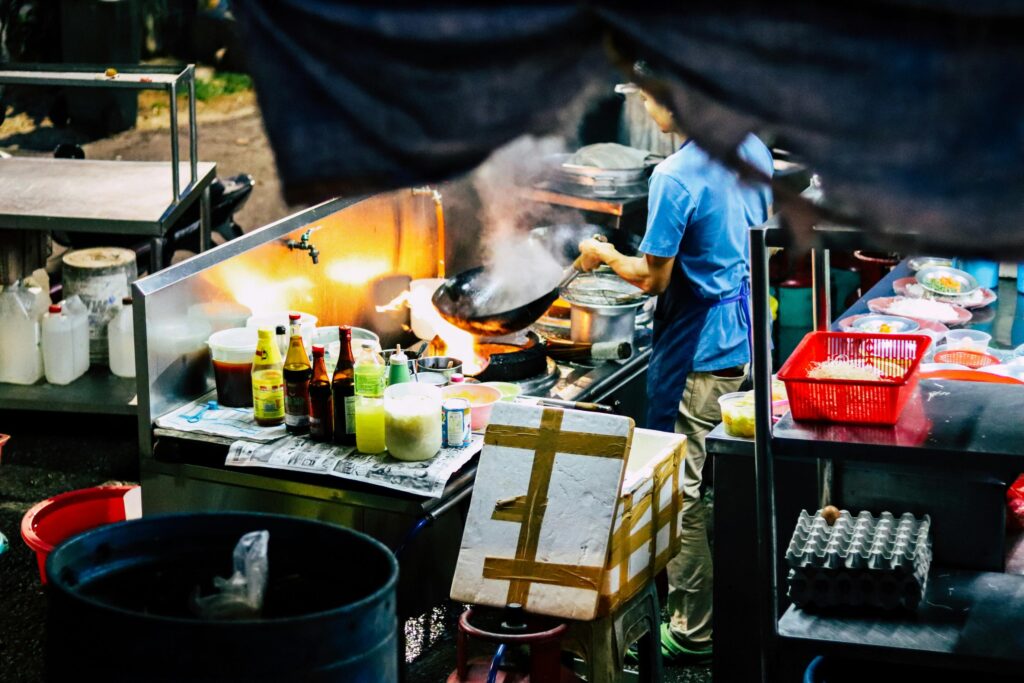
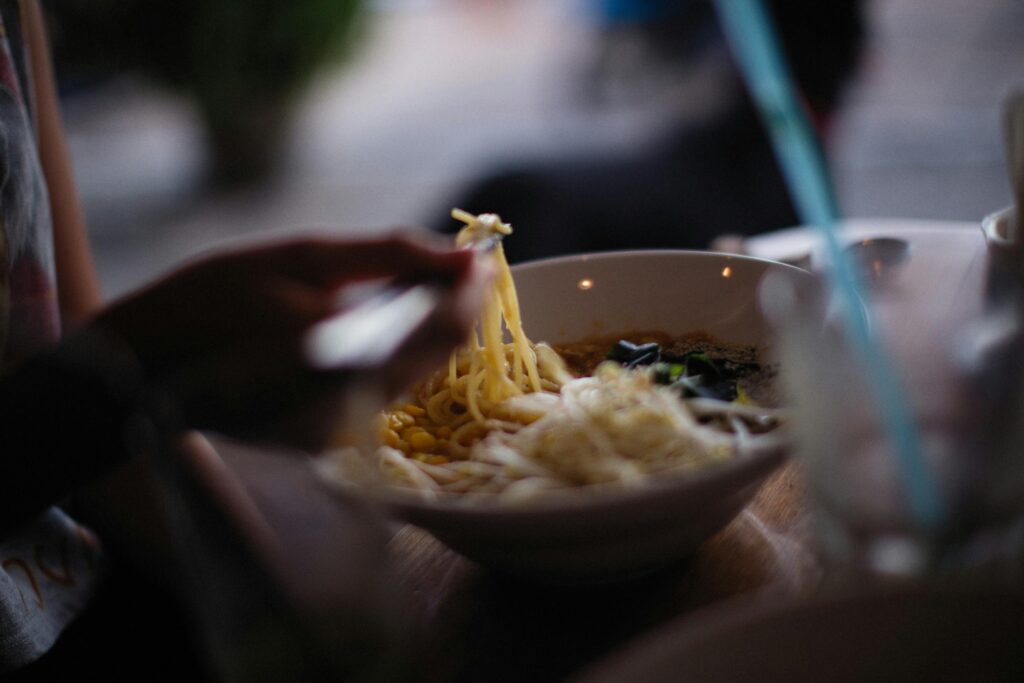
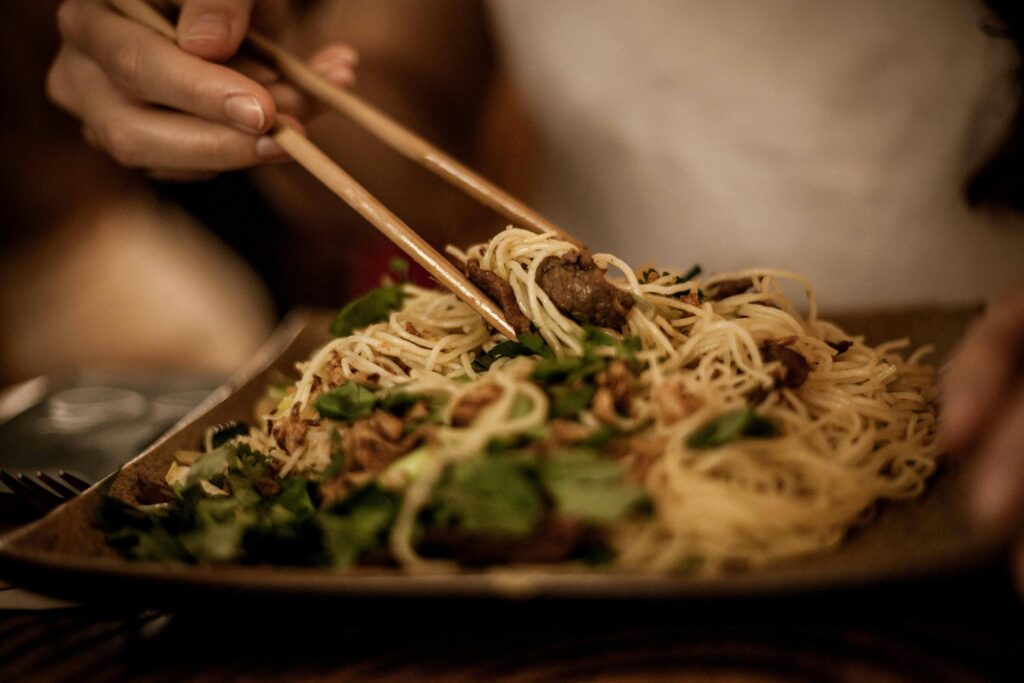
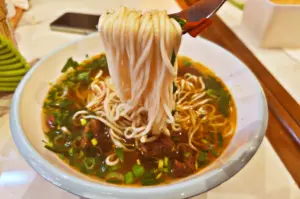
The heat from the wok is a physical presence. It hits you long before you reach the front of the queue, carrying the scent of searing pork, sharp vinegar, and bubbling lard. This is the sensory assault of Hill Street Tai Hwa Pork Noodle, and it’s a masterclass in flavor that costs less than a taxi ride across town. A red Michelin plaque hangs nearby, a quiet testament to the fact that this bowl of noodles, perfected over decades, is considered one of the best plates of food in the world. This is not fine dining. This is something more visceral, more immediate. It’s the soul of Singapore street food, recognized on a global stage.
But what does it actually take for a hawker stall to earn a coveted star? The arrival of the Michelin Guide in Asia, particularly in Singapore, shattered the long-held belief that culinary greatness required white tablecloths and hushed dining rooms.
It forced a conversation about what truly matters: the food on the plate.
What the Michelin Guide Actually Looks For A Good Restaurant
Forget the fluff. Michelin inspectors are anonymous, and they care about one thing: what’s in the bowl. They visit multiple times to ensure the dining experience is not a fluke. For hawker stalls, the five criteria are the same as for any three star establishments in Paris or Tokyo, just applied to a different context.
- Consistency of taste: The bak chor mee you eat on a Tuesday morning must be just as mind-blowingly good as the one you have on a Friday afternoon. Reliability is everything.
- Skillful flavour and cooking techniques: This is the magic. It’s the precise control of heat that creates wok hei, the perfect al dente bounce in the noodles, the flawless balance in a broth that has simmered for hours. It’s turning humble ingredients into something transcendent through sheer skill, often inspired by generations of culinary tradition.
- Balanced flavours: Authenticity wins. The guide looks for a true representation of the cuisine. Hawker Chan, the first hawker in the world to get a Singapore Michelin star, didn’t win for reinventing the wheel. It won for perfecting a soya sauce chicken recipe until it was the platonic ideal of the dish: a notable dish that has garnered rave reviews from food lovers across the country.
- Quality ingredients: The pork is fresh, the lard is rendered with care, the vinegar is sharp and complex. Greatness starts with great components, even in a S$10 dish. Seafood, such as fresh sea urchin, is sometimes featured in these dishes, elevating humble hawker fare to Michelin-worthy standards.
- Team effort: Behind every great hawker stall is a dedicated team, often including skilled sous chefs who ensure consistency and quality. This collaborative spirit is essential to maintaining the high standards Michelin introduced when expanding their guide to include hawker stalls.
This is not about ambience or service with a bow tie.
It’s a pure, unadulterated judgment of the food that defines what it means to be a Michelin star restaurant. Some stalls have even expanded to include a small bar serving wine and dessert options, enhancing the dining experience while keeping true to their roots.
Earning the first star is a monumental achievement for one restaurant, especially in a country where hawker culture is so deeply cherished. In some cases, stalls have progressed to two stars, a testament to their exceptional culinary mastery and dedication to excellence.
Michelin Stars vs. Bib Gourmand: Know the Difference
Let’s clear this up, because the confusion is rampant. A Michelin Star and a Bib Gourmand are not the same thing.
- Michelin Stars (One, Two, or Three): These stars denote exceptional cuisine and culinary excellence, awarded to the best of the best in the Michelin guide Singapore, regardless of price point.
- One Michelin star signifies “a very good restaurant in its category.” Very few hawker stalls achieve one Michelin star, making it a prestigious accolade in the world of fine dining.
- Two Michelin stars represent excellent cooking that is worth a detour.
- Three Michelin stars denote exceptional cuisine that is worth a special journey.
- Michelin Bib Gourmand: This is a separate and distinct honor. It recognizes “good quality, good value cooking.” In Singapore, this generally means a high-quality meal for under S$45. Think of stalls like Tian Tian Chicken Rice at Maxwell Food Centre. It’s not a consolation prize. It’s the Michelin Guide’s way of shouting out fantastic, affordable food. Don’t dismiss the Bib; it’s where you’ll find some of the city’s most beloved eats, offering diners an excellent dining experience without the fine dining price tag.
A First-Timer’s Guide to Conquering the Queue in Michelin Restaurants
First-timer anxiety is real, so let’s get practical. You’ve seen the stars, you’re ready to discover some world-class Singapore street food in this ninth edition of the Michelin Star Guide. Here’s how to do it right.
First,
kill the misconception that stars equal high prices. Many of these dishes are under S$15. This is the most accessible world-class dining on the planet, showcasing the personality and skill of the chef behind every plate. Second,
understand that the Michelin inspectors are ghosts. They book under false names, pay their own bills, and never reveal their identity. The process is built on anonymity to maintain integrity.
Now, for the logistics:
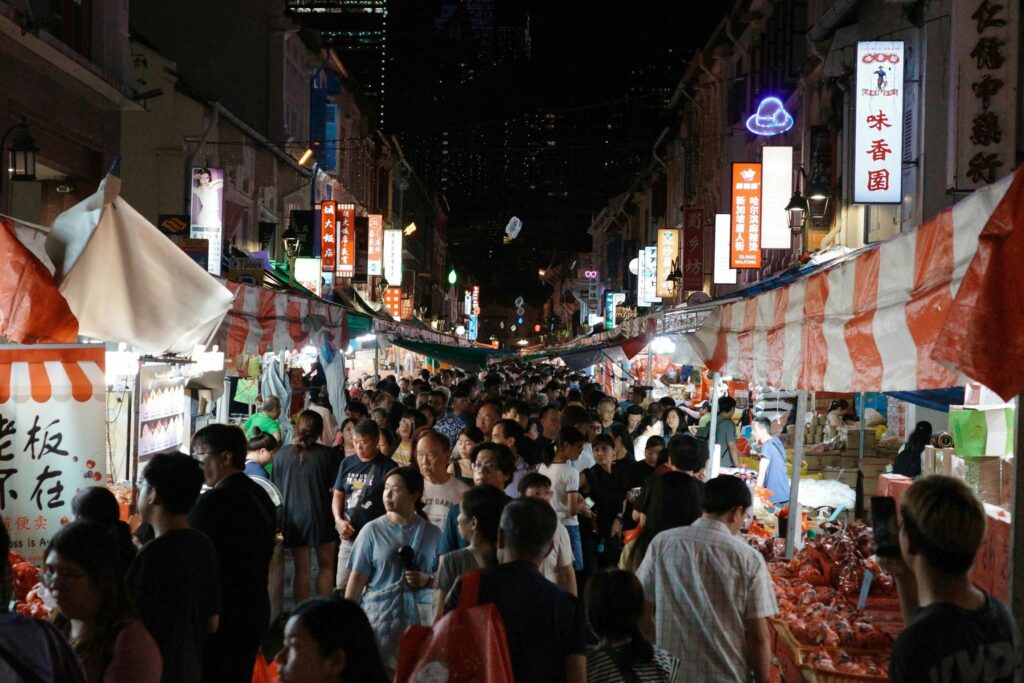
- Go early. Seriously. These stalls have legendary queues and often close as soon as the food runs out, which can be well before the official closing time. Weekday, off-peak hours are your friend.
- Bring cash. Most hawkers operate in a cash-only world. Bring small bills and don’t be the person holding up the line trying to break a S$50 note for an $8 meal.
- Learn the local customs. Queue patiently. In Singapore, use a tissue packet to “chope” or reserve your seat at a table. When you’re done, clear your tray. It’s about respect for the surroundings and the people around you.
This practical advice will help you enjoy a Michelin-starred dining experience that is both authentic and affordable, proving that one star can be found in the most unassuming places.
Quality Indicators vs. Red Flags
How do you spot true quality beyond the hype? Look for an organized line, not a chaotic mob. Watch the hawker’s hands. Are their movements efficient, practiced, and clean? That’s the sign of a master at work. The food should look and taste consistent from one plate to the next.
Red flags? Inconsistent portions, sloppy hygiene, or a general sense of disorganization.
Hype is one thing; sustained excellence is another. A great hawker stall is a well-oiled machine, honed by years of repetition.
The First Star: A Culinary Victory
The inclusion of hawker stalls in the Michelin Star Guide is more than just a novelty. It is a powerful statement. It is a validation of the culinary artistry, tireless work, and cultural significance embedded in these humble spaces, much like the revered traditions found in France and Japan, where the Michelin Guide originated and continues to set the gold standard for fine dining.
It confirms what Singaporeans have known all along: that a bowl of noodles or a plate of chicken rice can deliver a flavour experience as profound and memorable as any multi-course tasting menu crafted by a young chef in a prestigious French kitchen or a renowned hotel restaurant.
These stalls are not just a box to be ticked on a tourist itinerary. They are living, breathing culinary institutions worth returning to again and again. The star may get you there the first time, but it’s the undeniable, soul-satisfying taste of the food that will keep you coming back.
For those curious, the full list of Michelin-starred hawker stalls and restaurants offers a fascinating glimpse into this evolving culinary landscape. And for more on Michelin starred hawker centers, check “Inside the Michelin-Starred Hawker Center in Singapore and Hong Kong” or if you want to indulge on Omakase in Singapore.