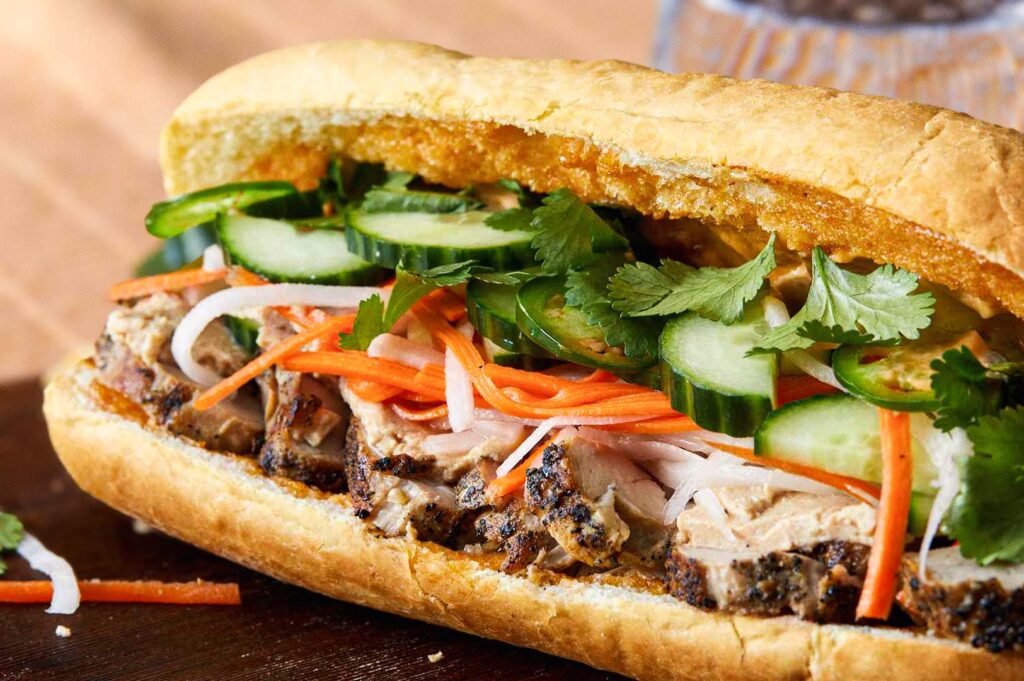
The first sound you hear is the crackle. It’s a sharp, satisfying shatter that gives way to an airy, cloud-like interior. That sound is my first clue that I’m in for a good experience. Then comes the rush of flavors: the savory depth of grilled pork, the bright tang of pickled carrots, the fresh punch of cilantro, and a subtle, creamy richness that ties it all together. This is the magic of a well-made banh mi sandwich, a complete meal tucked into a perfectly crisp baguette.
It’s a disservice to call it just a sandwich. It’s a lesson in texture and balance, a culinary icon born from a complex
history of French and Vietnamese cultures colliding. Understanding what makes it so special turns a simple lunch into a truly great one.
The Anatomy of a Perfect Bánh Mì Sandwich
At its heart, a bánh mì is about harmony. Every single component has a specific job to do, and when they work together, the result is phenomenal.
The Banh Mi's Baguette
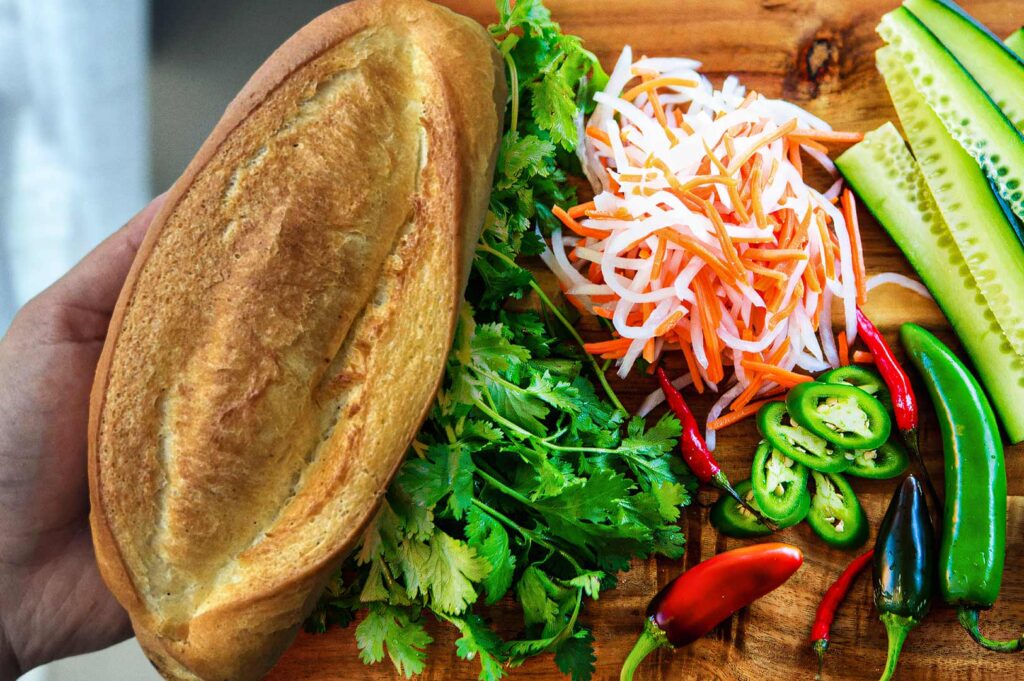
First, the bread. This isn’t your standard French baguette, which can be dense and chewy. A proper Vietnamese baguette is lighter and airier, often made with a mix of wheat and rice flour. The crust should be incredibly thin and crisp, shattering upon impact. The inside needs to be soft and almost hollow, ready to absorb the sauces without becoming a soggy mess. The bread is the vessel, and its structural integrity is non-negotiable.
The Vietnamese Sandwich's Fillings
Next come the fillings, which are a study in contrast. A classic Vietnamese banh mi often starts with a thin layer of creamy liver pâté and a swipe of mayonnaise or butter. This creates a rich, fatty base. Then comes the main protein. While grilled pork (thịt nướng) is a popular and delicious choice, you’ll also find cold cuts, shredded chicken (gà), and vegetarian options (chay) with tofu.
The Recipe Notes of the Pickled Vegetables
What truly elevates the sandwich is the fresh and pickled components. Bright orange pickled carrots and daikon radish (đồ chua) provide a sweet and sour crunch that cuts through the richness of the meat and pâté. Cool cucumber spears, fresh cilantro, and slices of chili (if you want the heat) add layers of freshness and aroma. Finally, a dash of Maggi seasoning or soy sauce adds a final hit of savory umami. It’s this combination of hot and cold, crunchy and soft, rich and fresh that makes every bite interesting.
The Green Flags (& the Red Flags) of Quality
Once you know the components, you can start spotting quality at any banh mi shop.
Quality Indicators:
- The Bread: It should look and feel light, ideally a crispy toasted baguette or freshly baked baguette with a thin crust. If a vendor is constantly warming baguettes in a small oven or oven rack, that’s a great sign. It means they’re refreshing the crust to ensure it’s perfectly crisp for every order, preserving that iconic crackly crust prized in Vietnamese cuisine.
- The Pickles: Look for vibrant, crisp pickled veggies, especially the grated daikon radish and pickled carrots soaked in seasoned rice vinegar or rice vinegar (sometimes even apple cider vinegar) with a touch of sugar and salt. They shouldn’t be dull or grey, which suggests they’ve been sitting out too long or are leftover pickles past their prime.
- The Assembly: A good Vietnamese eatery assembles the banh mi sandwich to order. The speed and efficiency of a seasoned banh mi maker is a performance in itself. They know the exact right amount of each ingredient to maintain balance. An overstuffed sandwich is often a red flag, as it throws the delicate harmony off.
Red Flags:
- Pre-made Sandwiches: If you see a stack of pre-filled baguettes wrapped in plastic, walk away. The bread will be soft, and the fillings will be soggy, ruining the experience of this classic Vietnamese street food.
- Soggy Bottoms: Moisture is the enemy of a crispy baguette. If the sandwich looks wet or is leaking sauce before you even touch it, you’re in for a disappointing experience.
- Wilted Herbs: Fresh cilantro and cucumber slices are essential. Cilantro should be bright green and fragrant. Limp, sad-looking herbs won’t provide that fresh counterpoint the sandwich needs.
By paying attention to these signs, you can find the best banh mi,
Asia Food Fanatic definitely recommends you to try the a pork bánh mì with marinated pork belly, roast pork, or even chicken pate and chicken floss fillings.
Yeah I know that’s a lot, but the essence of a great banh mi shop is the usage of quality ingredients like cha lua, pork shoulder, and fresh pickled veggies to create an authentic taste that honors the rich heritage of Vietnamese cuisine. So, the more you taste, the more you know!
How to Order Like You Know What You’re Doing
Ordering for the first time at Vietnamese restaurants can be intimidating (we’d know, believe us!), but it’s quite simple once you know what to expect. Most stalls or Vietnamese bakery counters will have a menu featuring various filling options. If you’re unsure, “Bánh mì thịt nướng” (grilled pork) is always a fantastic starting point. Here are some of the recipe developers you need to know when ordering this French colonialism bread rolls:
- Be honest about your heat tolerance; Vietnamese bird’s eye fresh chillies pack a punch, so saying “no chili” or “a little chili” is perfectly acceptable. For those who enjoy a bit more heat like us, jalapeño slices are often added to complement the spicy kick.
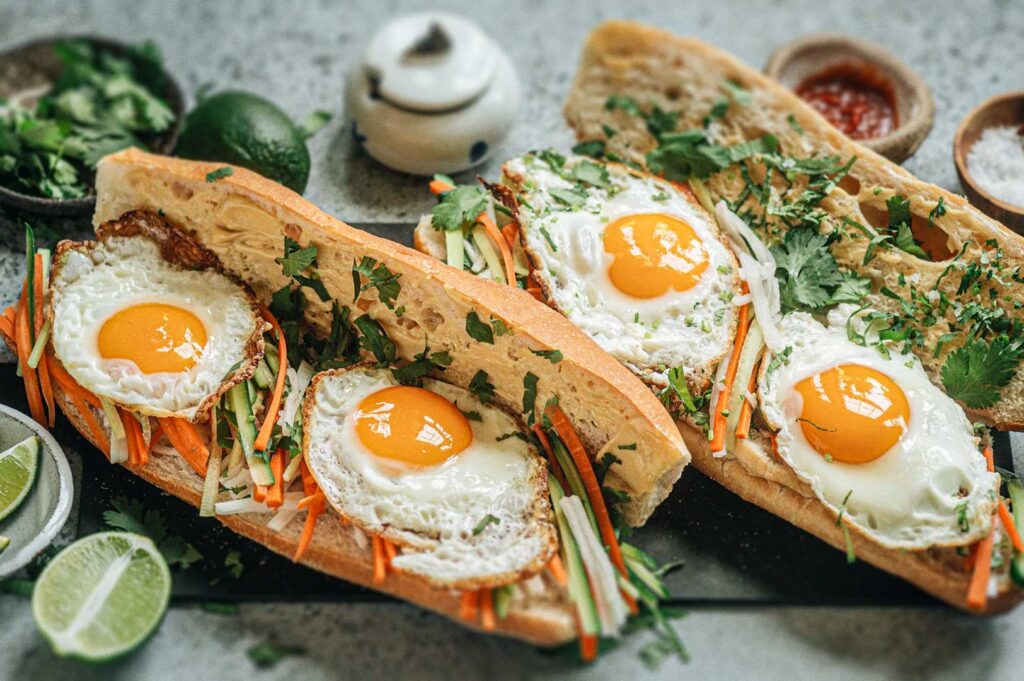
- Some Vietnamese eateries also offer variations like a fried egg bánh mì, adding richness with creamy mayo and perfectly cooked egg yolks. For a unique twist, try a deconstructed sandwich version where the components are served separately, allowing you to savor both the pickles and meat dishes individually.
- The pickled vegetables are soaked in a tangy pickling liquid made from rice vinegar, sugar, and sometimes a touch of sesame oil, enhancing the overall flavor complexity. If you’re not a fan of sour tanginess in a dish, remember to opt out from this ingredient.
- There’s also the option of changing breads, instead of a Vietnamese baguette, some vendors also serve bánh mì on wide French bread (this is our personal pick), offering a sturdier base that holds up well to the fillings. You may also request this when ordering.
- While a banh mi sandwich is best eaten immediately, if you’re getting it for takeaway during a busy office lunch (which we know may happen a lot, because that’s how we do it), ask for the pickled vegetables on the side to prevent a soggy commute.
The art of food styling is evident in how these sandwiches are assembled, balancing textures and flavors to create an irresistible combination that’s as pleasing to the eye as it is to the palate. So, make sure that
you know what you want before ordering, this makes the experience of your first banh mi all the more personal.
Bánh Mì in Singapore
The love for this Vietnamese staple has spread far and wide, and you can find excellent banh mi in Singapore. Here, vendors often adapt to local tastes. You might find the flavor profiles slightly sweeter, with a little less fish sauce.
Given the city’s humidity, local vendors have to work extra hard to maintain the bread’s crispness. The best spots bake their bread in small batches throughout the day, whether using traditional oven broiling or even modern methods like an air fryer to keep that perfect crunch.
You’ll also find more
halal-friendly and vegetarian options to cater to Singapore’s diverse population. Some places even offer a homemade version featuring tender rotisserie chicken and a sprinkle of black pepper for added depth. Pork floss is another popular topping that adds a delightful texture and savory note.
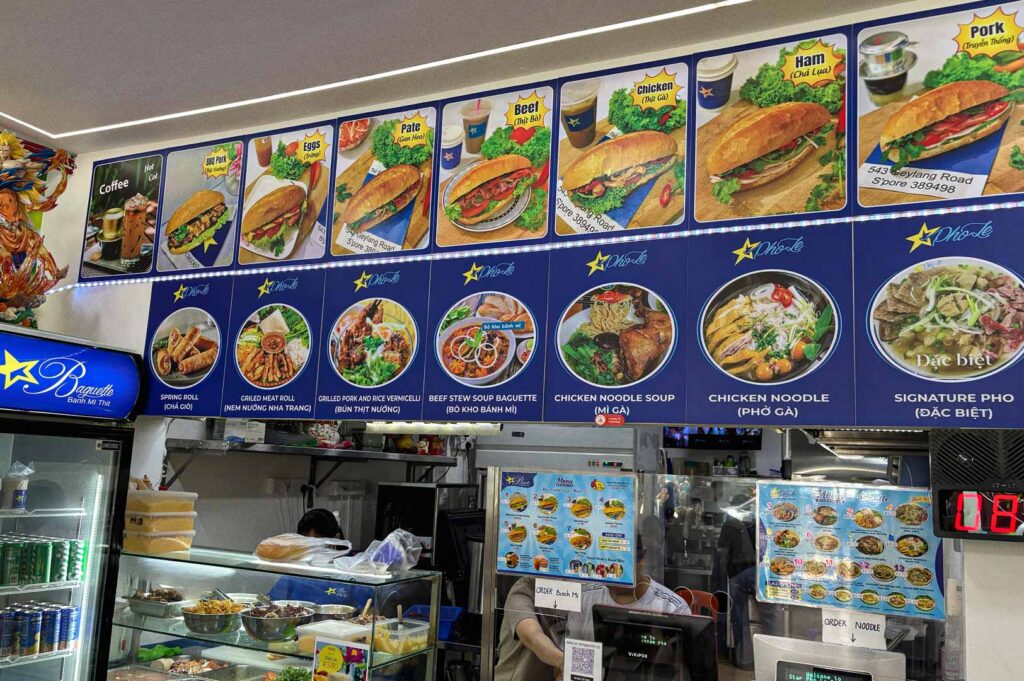
Several restaurants in Singapore carries the required recipe ratings when it comes to this Vietnamese sandwich, such as
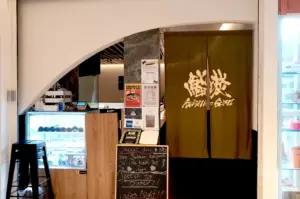
Banh Mi Saigon in Ang Mo Kio, Joo Chiat Banh Mi Ca Phe, Banh Mi Society, Ba Buong Banh Mi, Hi Banh Mi!, Bami Express, and our personal favorite: Banh Mi Thit by Star Baguette.
A Sandwich Worth Seeking Out
Ultimately, the art of bánh mì lies in its balance. It’s a dish that proves that complex, satisfying food doesn’t need to be expensive or complicated. It’s a perfect fusion of culinary cultures, resulting in something entirely new and uniquely delicious.
When you’re looking for your next great lunch, prioritise a place that respects the bread and understands harmony.
The crackle of that first bite will tell you everything you need to know.