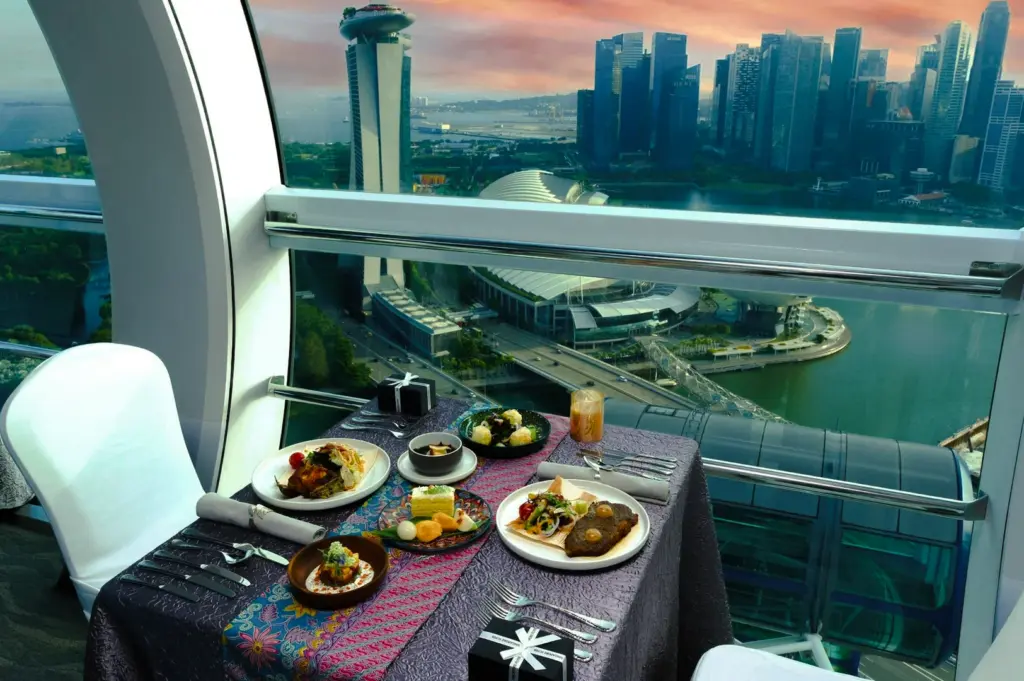
You sit down at a table in a Michelin starred restaurant located near the Marina Bay waterfront. The server places a single, perfectly seared scallop in front of you. But the sauce pooling around it is not a classic French beurre blanc. It is a dense, fiery reduction of Sarawak pepper and fermented shrimp paste. This single bite dismantles everything you thought you knew about luxury. It is aggressive, unapologetic, and distinctly Southeast Asian.
This is the reality of modern Singapore fine dining. It is no longer a mimicry of European ideals. It is a bold declaration of regional culinary identity. For decades, I saw how the pinnacle of eating out meant white tablecloths, imported truffles, and a menu written in French. That era is dead. Today, the most exciting culinary movement on the planet is happening right here, driven by chefs who refuse to apologize for the intensity of their heritage.
The Ultimate Culinary Crossroads in Fine Dining Restaurants
Singapore sits at the absolute center of a culinary fault line. You cannot find this specific tension in Tokyo, where perfection is rooted in centuries of isolation. You certainly will not find it in Paris. Here, the culture is built on collision. Malay, Indian, Chinese, and Peranakan traditions constantly bleed into one another. The best fine dining Singapore has to offer weaponizes this diversity.
Chefs working in elegant spaces from the Singapore Botanic Gardens, Marina Bay Sands, to One Fullerton are pulling from a deep, shared regional pantry. They are not just cooking food;
they are architecting an entirely new language for Asian gastronomy. Whether you are seated at an open kitchen or tucked away in hidden gems, the narrative is the same. The focus has shifted violently to seasonal ingredients sourced from our own backyards.
The Misconception on Fine Dining Restaurants in Singapore
We know of fine dining restaurants as a space that dine or bars a casual flavour for capitalism to have their lunch and boasts on about their relaxed life. They sit in their hotels and eat in a nestled location with no packed team and events that are tailored to the world’s flavours that we usually know of during special occasions only.
I personally thought that fine dining means capitalism, that’s it. I thought that it’s a measure of money, of boasting. But now that I’m in the industry, fine dining is not just a bar or a test for who can explain how their last business earned 10 million in the span of a month. It’s an art form, it’s tradition, it’s identity.
Reinterpreting the Regional Pantry
Look at the tasting menus across the city. Chefs are taking humble, everyday staples and forcing the world to treat them with reverence. Chef Malcolm elevates Peranakan heritage into high art. Chef Zor Tan transforms simple, nostalgic flavors into complex modern masterpieces. Even masters of French technique like Chef Julien Royer understand the assignment, weaving local citrus and regional spices seamlessly into their dishes.
This is not fusion.
Fusion implies a compromise. This is a deliberate, forceful elevation of quality ingredients like
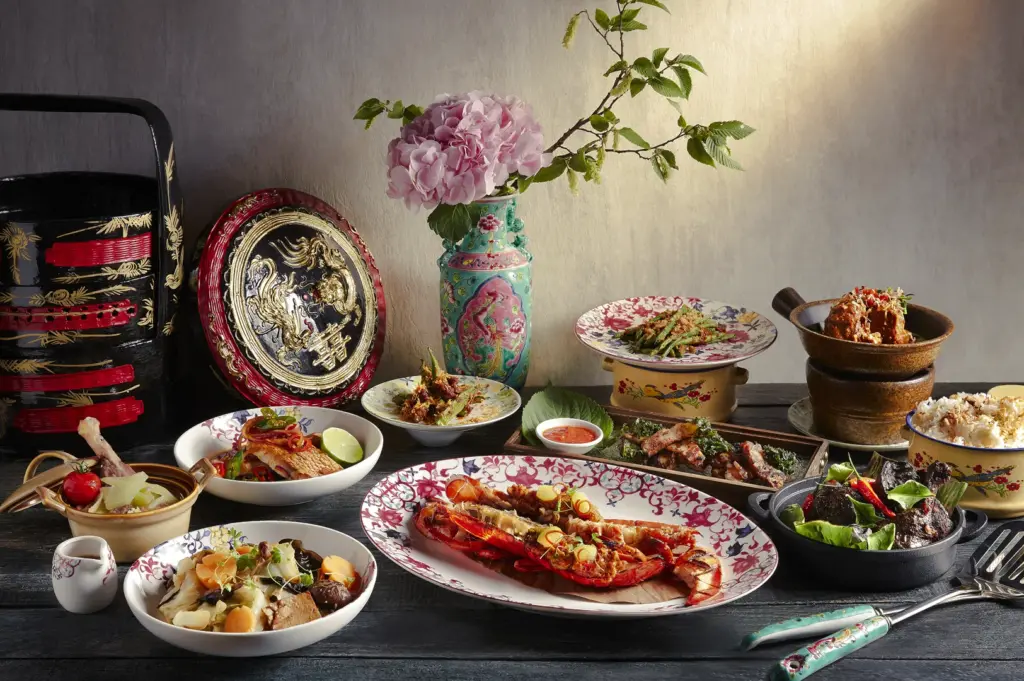
Indonesian candlenut, Thai lemongrass, and local fresh seafood. The artistry lies in honoring the grandmother who invented the recipe while executing it with the precision of a one michelin starred restaurant. These kitchens prove that our native flavors do not need to be muted to be considered refined.
The Best Restaurants' Risk of Spectacle
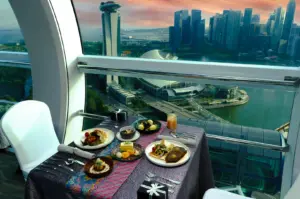
This evolution carries immense weight. When a traditional hawker dish gets deconstructed and served under warm lighting on the 50th floor, we have to ask what gets lost. Is it still our food, or has it become a spectacle for wealthy diners? The Michelin Guide brings global validation, yet it also brings the danger of dilution. We risk turning vibrant street culture into an exotic museum exhibit.
The best fine dining restaurants in Singapore navigate this trap brilliantly. They do not strip the soul out of the cuisine to make it palatable for a Western palate. They preserve the heat, the funk, and the unapologetic intensity of the original flavors. They demand that the world meets Southeast Asia on its own terms. A meal here is no longer just a dinner; it is a profound journey through the region’s history.
The Restaurants in Singapore's New Era of Gastronomy
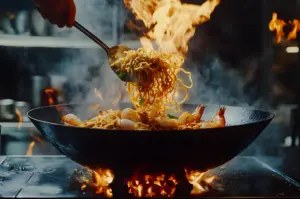
This movement is fundamentally reshaping how the world views our food. We are proving that Indian cuisine, Malay spices, and Chinese wok techniques belong in the highest echelons of global dining. When visitors are planning a trip to discover the city, they expect this exact level of cultural storytelling. The interior design, the art on the ceiling, and the wine pairings are all complemented by the sheer force of the culinary vision.
The world is watching, and the standard is being set right here. Other major cities are taking note as our local talent proves that true luxury is rooted in authenticity.
We are building a future where an intricate sambal commands the same respect as a masterfully crafted Italian cuisine classic. The ceiling for Southeast Asian gastronomy has been completely shattered.
The Future on a Plate
The future of culinary identity in Southeast Asia is being written right now on these very plates. As we continue to explore and expand this identity, chefs carry the ultimate responsibility. They must keep pushing boundaries without ever severing the roots. They must cook with fire, conviction, and absolute clarity.
So the next time you visit a celebrated restaurant in Singapore, pay close attention to the flavor profile in front of you. Do not just blindly consume the meal. At
Asia Food Fanatic, we encourage you to taste the history, acknowledge the technique, and feel the momentum. You are not just eating dinner. You are tasting the relentless, vibrant future of Asian cuisine, and it has never tasted better.