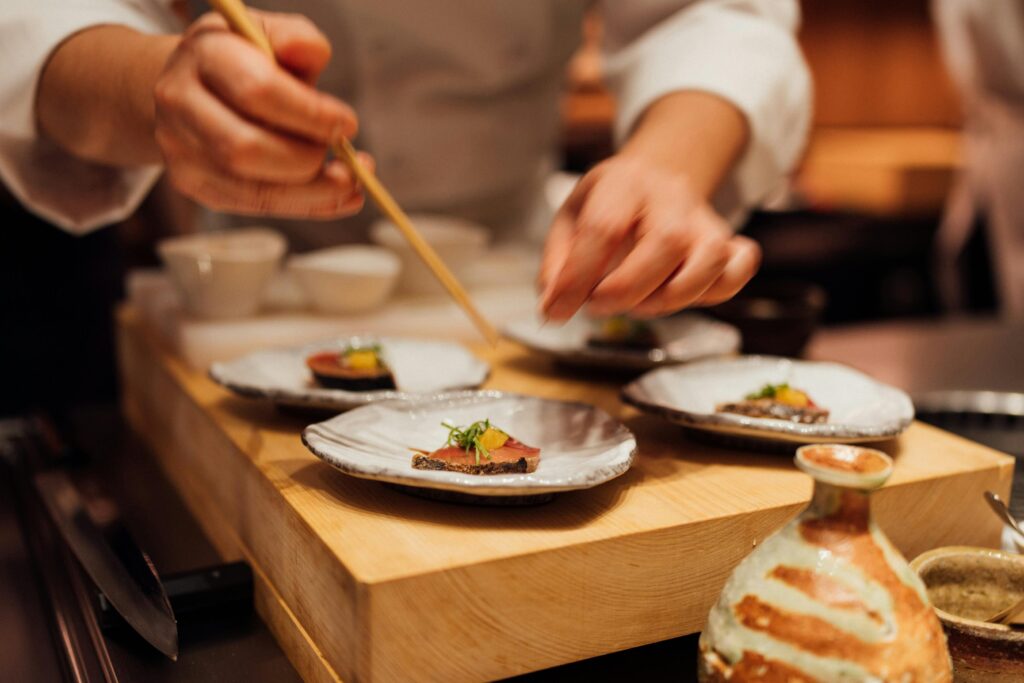
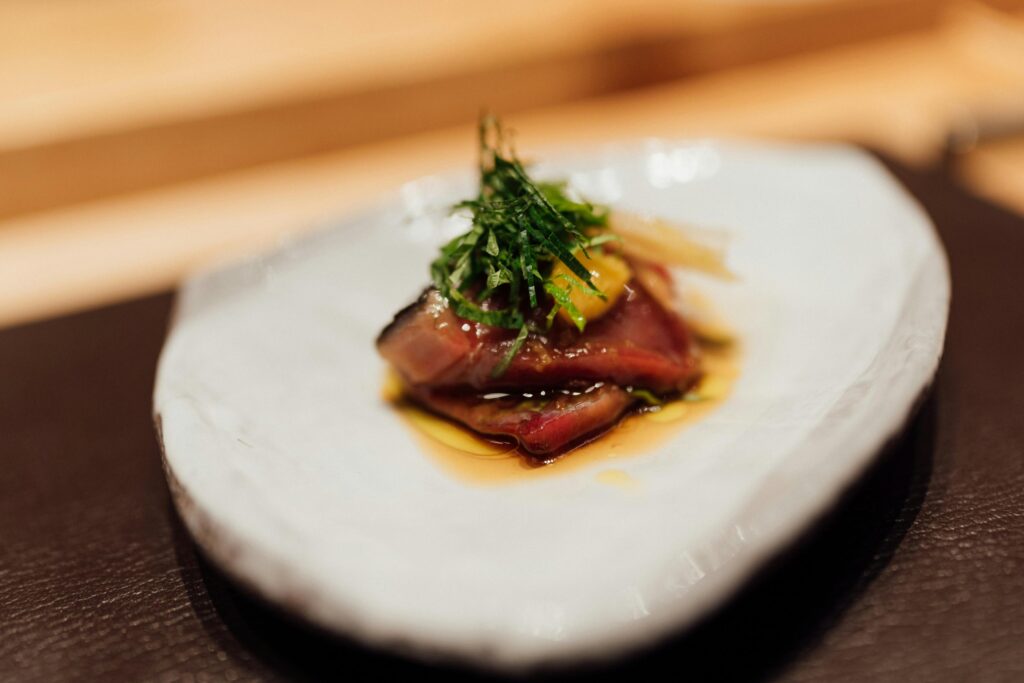
A single sliver of kasugodai, baby sea bream, rests on the black slate, lightly scored and brushed with a nearly invisible layer of nikiri. The chef’s movements are precise and unhurried, placing the nigiri before me with a nod. The first bite reveals a perfect balance of texture and temperature: the firm, sweet fish contrasts with the warm, subtly vinegared shari. This single piece embodies the essence of omakase: not performance, but precision and an intimate chef-guest connection.
What Seasonality Means in the Tropics
Here in Asia Food Fanatic, we’re direct. The concept of seasonality for an omakase Singapore restaurant is a complex negotiation. The best ingredients are flown in from Japan’s markets, following the distinct rhythms of their four seasons. Singapore is a global food hub, allowing top restaurants to receive fresh ingredients flown directly from Toyosu market daily, ensuring the highest level of freshness. A chef who truly understands this doesn’t just serve what is trendy. They build a menu that tells a story of a specific moment in time, thousands of kilometers away.
In spring, you should taste the subtle bitterness of mountain vegetables. In winter, the deep, fatty richness of buri, or yellowtail, should be undeniable. Omakase menus typically change daily to showcase the freshest seasonal seafood, such as uni and fatty tuna. When a chef presents a menu that feels disconnected from this cycle, it rings hollow. Serving out-of-season, force-ripened produce is a culinary lie. The truly great chefs possess an encyclopedic knowledge of Japan’s micro-seasons.
Harmony on the Plate, Not Just the Bill
Harmony is often overused in fine dining, but it truly means the deliberate art of sequencing a meal. A clean, bright madai shouldn’t be followed by a heavy, torched otoro. Instead, a masterful chef builds momentum like a crescendo, not a beat miss. Throughout the meal, chefs often use screens to subtly engage diners, creating intimate moments that enhance the connection and focus on the artistry of each course; this shows how much they care for their craft.
An omakase course typically starts with a delicate cold appetiser, such as chawanmushi topped with ikura, followed by premium sashimi showcasing seasonal freshness. The meal progresses through nigiri dishes, each richer or more complex, then soup, and ends with dessert. The balance of rice temperature, fish texture, and seasoning intensity is key. Elements like ginger, yuzu zest, or specific salts aren’t mere garnishes; they balance and elevate. When a dish fails, it’s often due to a loss of this balance and respect for the craft.
The Chef’s Hand: Intuition Over Spectacle
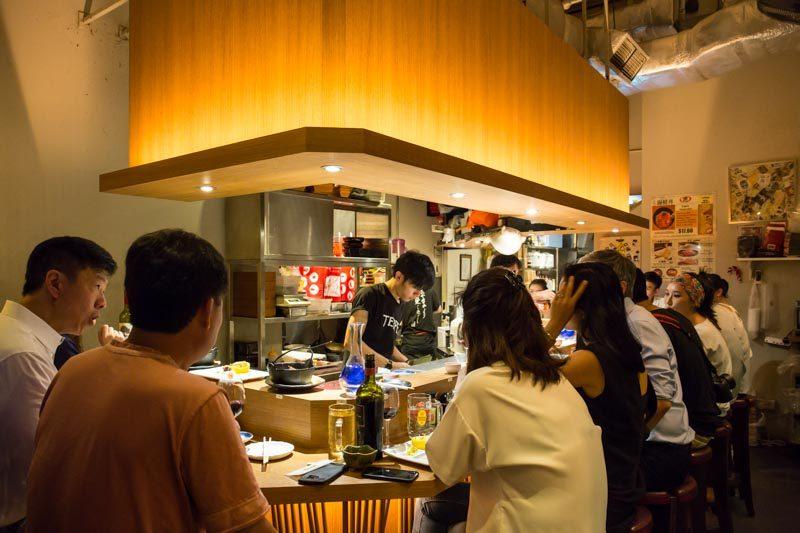
The heart of omakase is the chef. Their palate, their experience, and their restraint define the entire experience. It is a quiet confidence. The current trend towards theatricality, blowtorches, and mountains of uni and caviar often signals the opposite. It is a performance designed to justify the price tag, a distraction from a lack of true substance. So here are some of the top omakase restaurants in Singapore worth exploring if you want to experience omakase from the heart:
Suzuki Omakase by Chef Suzuki
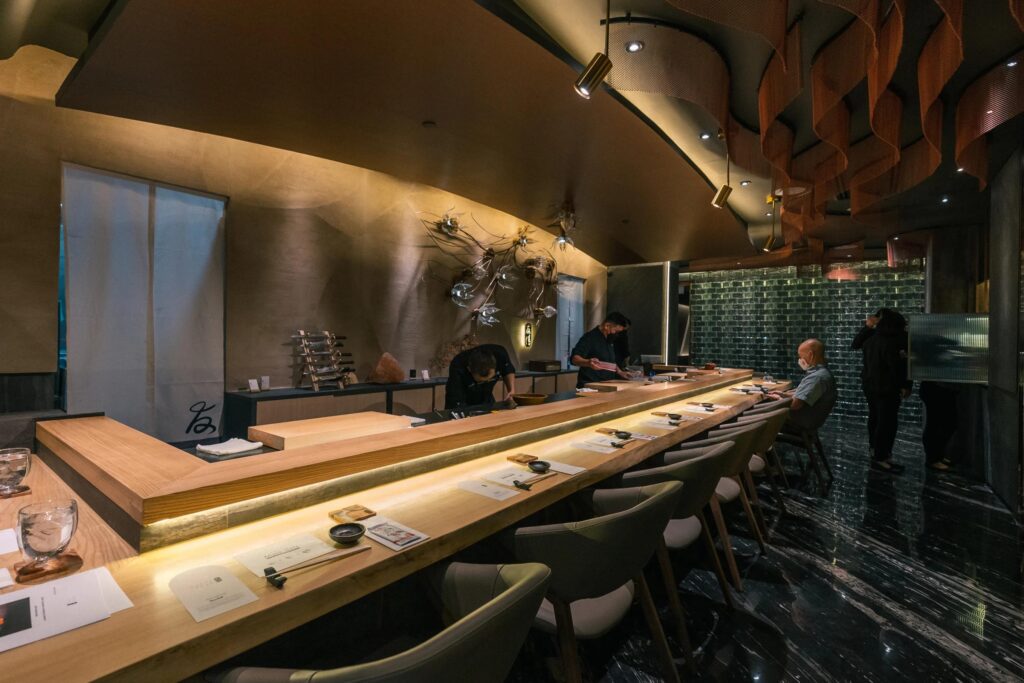
Helmed by Chef Suzuki, who began studying in Kyoto’s Kikunoi Honten at age 18 under renowned chef Murata Yoshihiro, Suzuki offers a tranquil setting designed by acclaimed architect Kengo Kuma. This Singapore outpost invites diners to indulge in traditional Japanese cuisine combined with original creations that celebrate the finest ingredients flown daily from Toyosu market. The restaurant’s intimate space features a thoughtfully designed counter with limited seating capacity, allowing guests to enjoy a personal connection with the chef and the artistry of each dish.
Located at: Mondarin Hotel, Singapore 089813
Wakuda’s Omakase Room with Their Dinner Omakase Menu
With a seating capacity of just 6 guests, Wakuda’s private room offers an exclusive omakase experience that requires advance reservation. The refined dinner omakase menu showcases a good balance of innovation and tradition, impressing discerning diners with seasonal dishes that highlight the freshness and precision of Japanese cuisine. Guests can choose from a variety of sake to complement their meal, enhancing the overall sophistication of the dining experience. The intimate setting allows each diner to feel connected, with the chef’s artistry taking centre stage at the table.
Located at: Marina Bay Sands Singapore
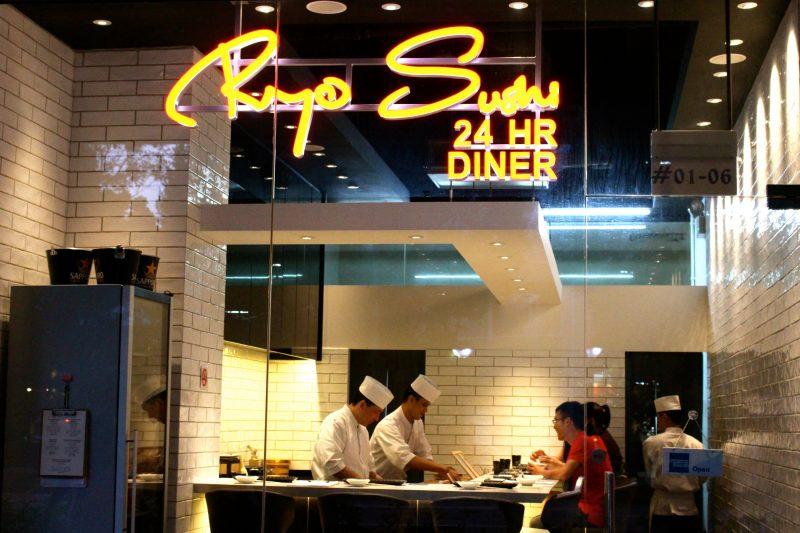
Ryo Sushi
Known for affordable omakase options, Ryo Sushi provides excellent lunch courses and dinner omakase menus that make premium Japanese cuisine more accessible without compromising on quality or authenticity. It is ideal for those who want to enjoy omakase Singapore experiences without the high price tag. No matter if you’re dining on a Saturday or a Mon weekday, guests can expect fresh ingredients and expert preparation that bring the flavours of Tokyo to their plates. Never skip this spot if you want a taste of authentic Japanese omakase without the long distance or hefty price.
Located at: Orchid Hotel Singapore
Teppei
Teppei is another popular choice for affordable omakase in Singapore, offering a range of lunch and dinner omakase menus that showcase fresh, high-quality ingredients and skilled craftsmanship. Guests can enjoy a satisfying omakase experience that balances value and authenticity, making it a favorite among locals and visitors alike. Many rave in their review about the warm hospitality and the trust they place in the chefs to deliver an exceptional dining journey. This spot has earned recognition not just in Singapore but in the wider world of Japanese cuisine enthusiasts.
Located at: Orchid Hotel Singapore
Sushi Yujo: An Option for a Lunch Omakase Menu
Offering innovative omakase experiences starting from $68 at lunch and $148 at dinner, Sushi Yujo blends creativity with value for money. Their lunch omakase menu features a variety of seasonal dishes, including expertly prepared sushi and sashimi, perfect for special occasions or casual dining. The restaurant’s zen-inspired ambiance, with soft natural light filtering through, creates a calming atmosphere that enhances the enjoyment of each course. This is a place where the balance of meat, seafood, and vegetables is thoughtfully curated to delight the palate.
Located at: Amara Singapore
The Pursuit of Substance in Japanese Cuisine
The evolution of the omakase Singapore scene has been rapid. What was once a niche, reverent experience is now a mainstream status symbol. But quality is not a given. The philosophy that should underpin any great omakase counter is one of substance over spectacle. It is about a chef who is obsessed with sourcing the absolute best and has the skill and vision to present it honestly.
The experience should not be about a checklist of luxury ingredients. It should be a journey guided by a chef’s deep-seated culinary principles. The most memorable meals are not the most extravagant. They are the ones where every single element on the plate has a purpose. They are moments of pure, unadulterated flavor, born from a philosophy of precision, seasonality, and a profound understanding of harmony. In Asia Food Fanatic, we believe that: that is the omakase worth seeking.