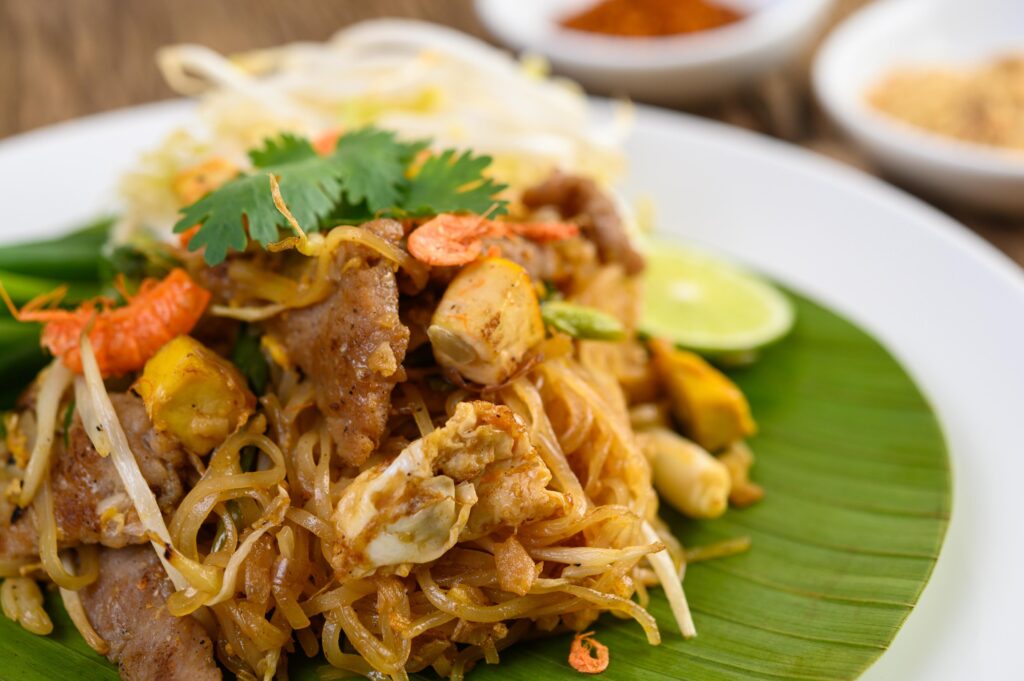
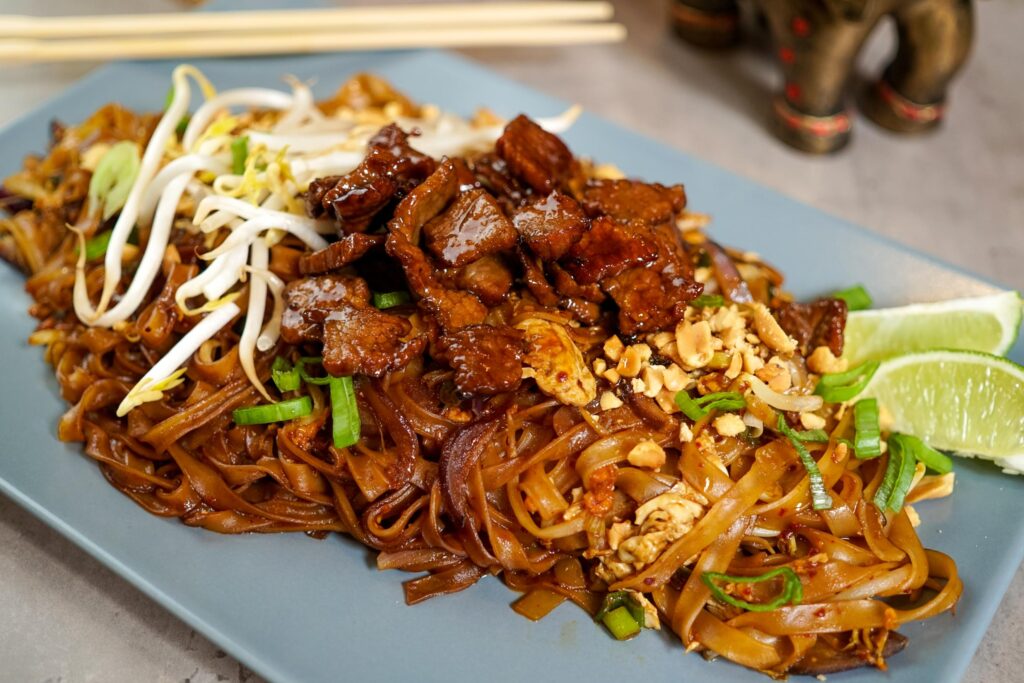
The plate arrives steaming, carrying a scent that is unmistakable even from meters away. It is the aroma of high heat meeting seasoned iron, a smokiness known as wok hei. In Penang, ordering a plate of char kway teow is a ritual of anticipation. The flat rice noodles are slick but not greasy, coated in dark soy sauce and punctuated by the crunch of fresh bean sprouts. There are briny cockles, slices of Chinese sausage, and chives that offer a sharp, garlicky contrast. The heat from the wok has seared the edges of the noodles, creating a texture that is both chewy and crisp. This is not just a meal. It is a masterclass in heat control and timing.
Char kway teow is arguably one of the most recognizable dishes in Southeast Asian hawker cuisine. While versions exist across Malaysia, Singapore, and Indonesia, the Penang iteration holds a specific status. It is often regarded as the benchmark, a dish that has travelled beyond its island origins to influence food culture across the region. Understanding how this humble noodle dish became a regional icon requires looking at its history, its technique, and how it adapted as it moved south to Singapore.
Origins in the Hokkien Community
The history of char kway teow is rooted in the migration of the Hokkien community from southern China to the Malay Peninsula in the 19th and early 20th centuries. Originally, this was food for laborers. It was designed to be cheap, filling, and high in energy. The core ingredients (rice noodles, lard, cockles, and soy sauce) were accessible and affordable. Laborers working at the docks or in construction needed sustenance that could be prepared quickly and eaten immediately.
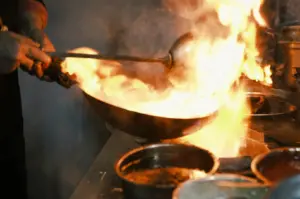
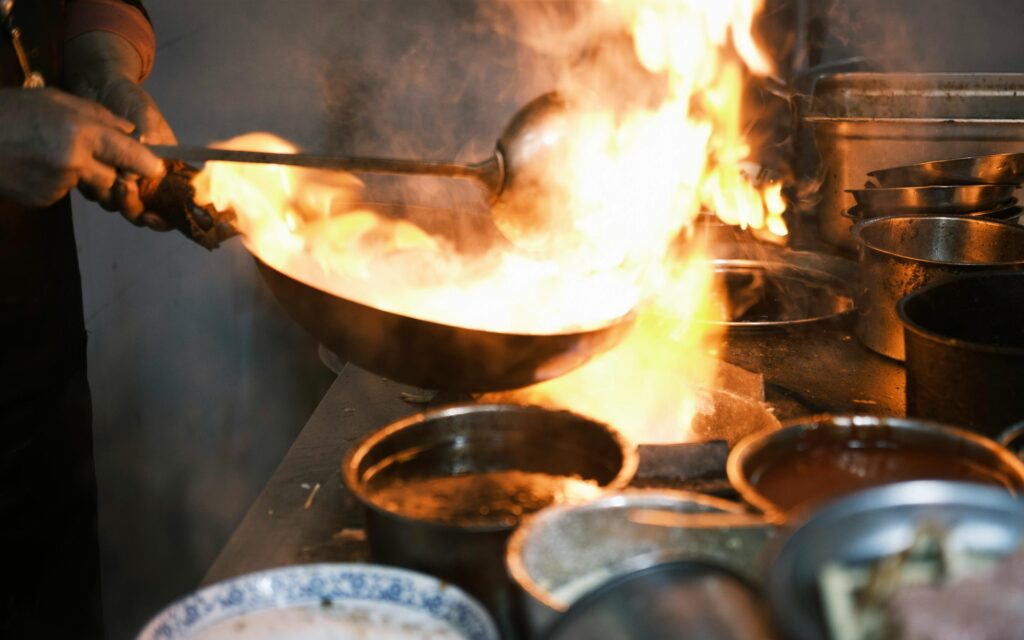
Early vendors sold the dish from shoulder poles or pushcarts, frying noodles over charcoal stoves fueled by mangrove wood. This cooking method was crucial to the dish’s identity. The intense heat generated by charcoal allowed the hawker to achieve wok hei, or “breath of the wok.” This term refers to the complex charred flavor that develops when oil and sugars caramelize under extreme heat. It is the defining characteristic of a good Penang char kway teow.
Authenticity in the Penang context is often measured by specific elements. The use of pork lard provides a distinct richness that vegetable oil cannot replicate. The noodles are typically thinner than those found elsewhere, allowing for better sauce absorption. Seafood, particularly prawns and blood cockles, reflects the island’s geography. Over time, what began as a sustenance meal for the working class evolved into a cultural staple enjoyed by every demographic.
The Regional Spread to Singapore
As trade and migration flowed between Penang and Singapore, so did culinary traditions. The dish did not remain static. It adapted to local tastes and ingredient availability in its new environment. While the fundamental concept remained the same (stir-fried flat rice noodles) the execution began to diverge, giving rise to distinctive regional flavors.
The Singapore char kway teow developed its own identity. One of the most noticeable differences is the flavor profile. The Singaporean version tends to be sweeter and darker, utilizing more dark soy sauce and sweet sauce (kecap manis). This results in a wetter dish compared to the drier, savory profile of the Penang char kway teow, which emphasizes a smoky flavour and is often cooked in a hot wok over a charcoal fire to achieve the signature wok hei.
Ingredient choices also shifted. In Singapore, it is common to find yellow wheat noodles mixed in with the fresh flat rice noodles, adding a different textural dimension. Vegetables like chye sim and green onions are often included, whereas the Penang version strictly favors bean sprouts and garlic chives. The cockles in Singapore are sometimes cooked through more thoroughly in boiling water, whereas Penang hawker stalls often serve them barely blanched to retain their briny punch.
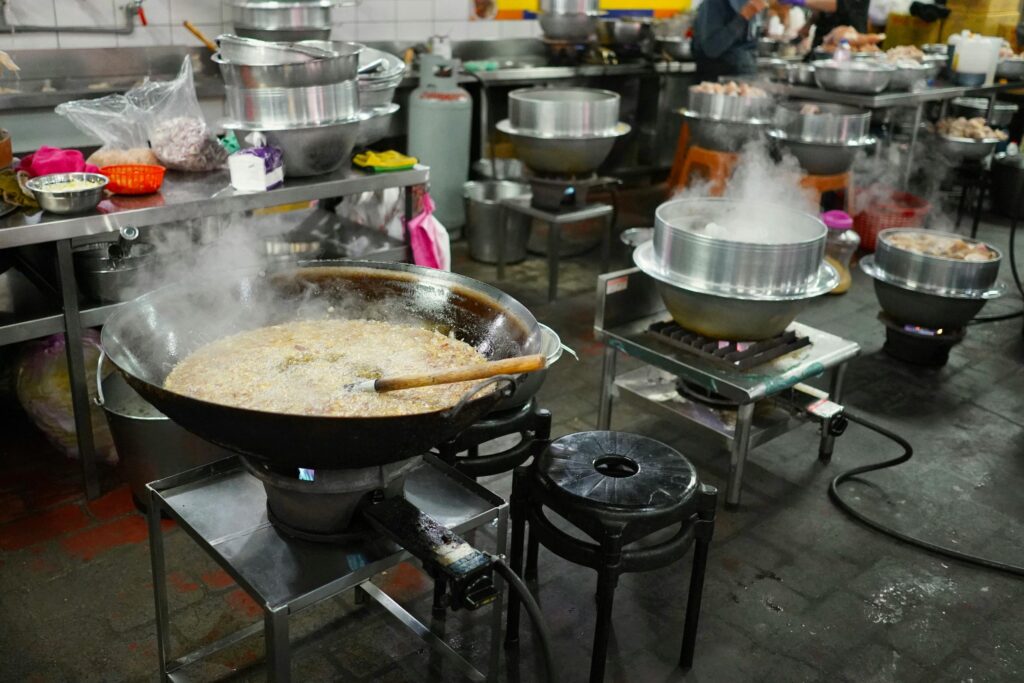
Penang char kway teow traditionally features duck egg, a seasoning blend including minced garlic, and a small handful of chili paste to balance the spice level. The use of pork lard or neutral oil adds depth of flavour, while fish cake and Chinese sausage complete the ingredient list. The Penang style is known for being cooked in large batches with a few seconds of intense stir fry over high heat, ensuring the noodles are just tender with a perfect smoky depth.
These differences highlight how a single dish can fracture into distinct regional variations while retaining its core DNA. Travelers moving between Pulau Pinang and Singapore often debate which version is superior. The answer usually depends on personal preference for sweetness versus savory smokiness. Whether enjoyed at a hawker centre in George Town or a street food stall in Singapore, char koay teow remains a beloved dish best served immediately from a hot pan or wok, capturing the essence of its cultural heritage.
Why the Best Char Kway Teow Resonates
The enduring popularity of char kway teow is not accidental. It hits a specific combination of flavors that appeals to the Southeast Asian palate: savory, sweet, spicy, and smoky. It is a complete sensory experience packed into a single plate.
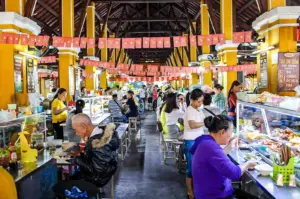
Beyond the flavor, the dish is accessible. It is ubiquitous in hawker centers and kopitiams (coffee shops) across both Malaysia and Singapore. It is democratic food. You do not need a reservation or a high budget to experience it. This accessibility has cemented its place in daily life. It is a go-to comfort food for breakfast, lunch, or late-night supper.
The visual aspect of its preparation also contributes to its iconic status. Watching a skilled hawker prepare char kway teow is witnessing a performance of efficiency. The clang of the spatula against the wok, the roar of the fire, and the rhythmic tossing of ingredients create a sense of theater. This connection between the diner and the cooking process adds value to the experience. It reinforces the skill required to produce a plate of food that looks deceptively simple.
Modern Context and Evolution
Today, the landscape for char kway teow is shifting. The labor-intensive nature of cooking traditional char kway teow presents challenges. Standing in front of a hot wok over high heat for hours is physically demanding work. As older generations of hawkers retire, there is concern about succession, and some char kway teow stalls have closed permanently because the younger generation is unwilling to take over the trade.
However, the dish is also finding new expressions beyond all the stalls. While the hawker stall remains the spiritual home of Penang char kway teow, it now appears on restaurant menus and in hotel buffets as the modern generation of culinary start cooking over. These versions often incorporate premium ingredients like crab meat, tofu, or lobster, elevating the price point significantly.
Health consciousness has also impacted the dish. Many vendors now offer options with less oil, no pork lard, or more vegetables such as chye sim. While purists argue that removing pork lard compromises the flavor and that cooking over low heat loses the essential smoky flavour known as wok hei, these adaptations ensure the dish remains relevant to changing dietary habits.
Despite these changes, the essence of Penang char kway teow endures. The use of fresh noodles, light soy sauce, and a small handful of chili paste continues to define its taste. The iconic spots like Lorong Selamat and Jalan Siam, with their legendary uncle and lady boss hawkers, still draw crowds eager for a small plate featuring a few prawns, chicken, blood cockles, Chinese sausage, duck egg, and bean sprouts, all stir fried to perfection.
The survival of char kway teow depends on this ability to balance tradition with modern realities, ensuring this beloved dish remains a staple of Penang’s vibrant street food culture.
A Cultural Anchor on a Char Kway Teow Stall
Whether it is the savory, smoky Penang char kway teow or the sweet, dark Singapore char kway teow, the dish remains a cultural anchor for the region. It tells the story of migration, adaptation, and the ingenuity of using simple ingredients to create complex flavors.
It serves as a reminder of shared heritage between Malaysia and Singapore. Despite political boundaries and culinary rivalries, the love for this noodle dish is a unifying factor. It is a plate of food that demands immediate attention. It is best eaten hot, right by the stall, amidst the noise and humidity of a hawker center. In that moment, the history and evolution of the dish matter less than the immediate satisfaction of the first bite. It is a regional icon not because of marketing, but because it works.
For more on Asian food, check “The Philosophy Behind Omakase Singapore: Seasonal Cooking and Harmony on the Plate” on Asia Food Fanatic!