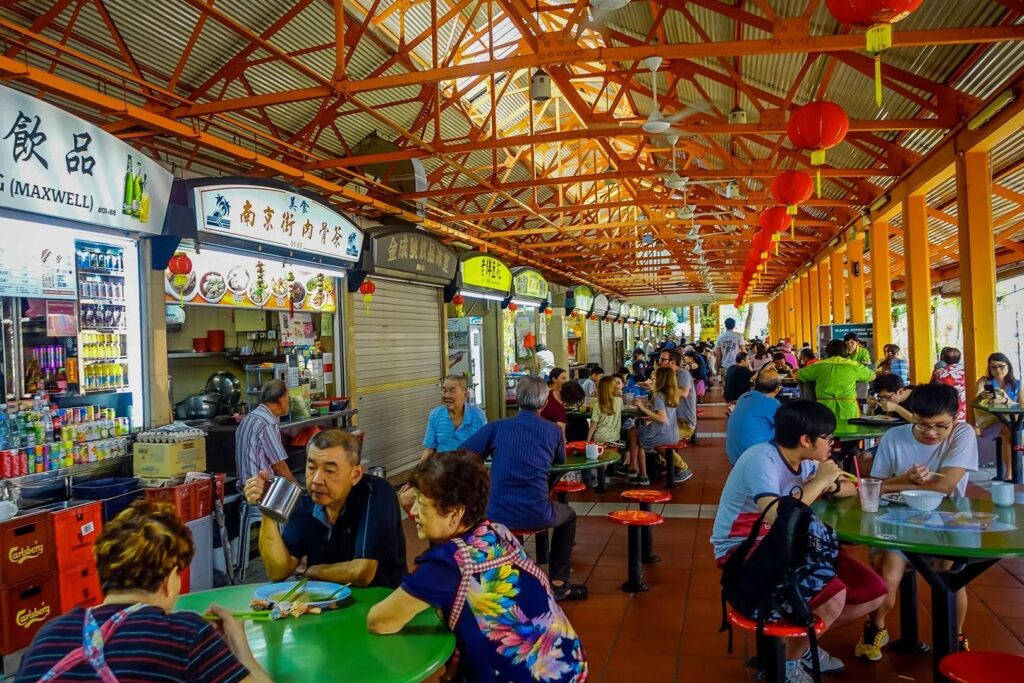
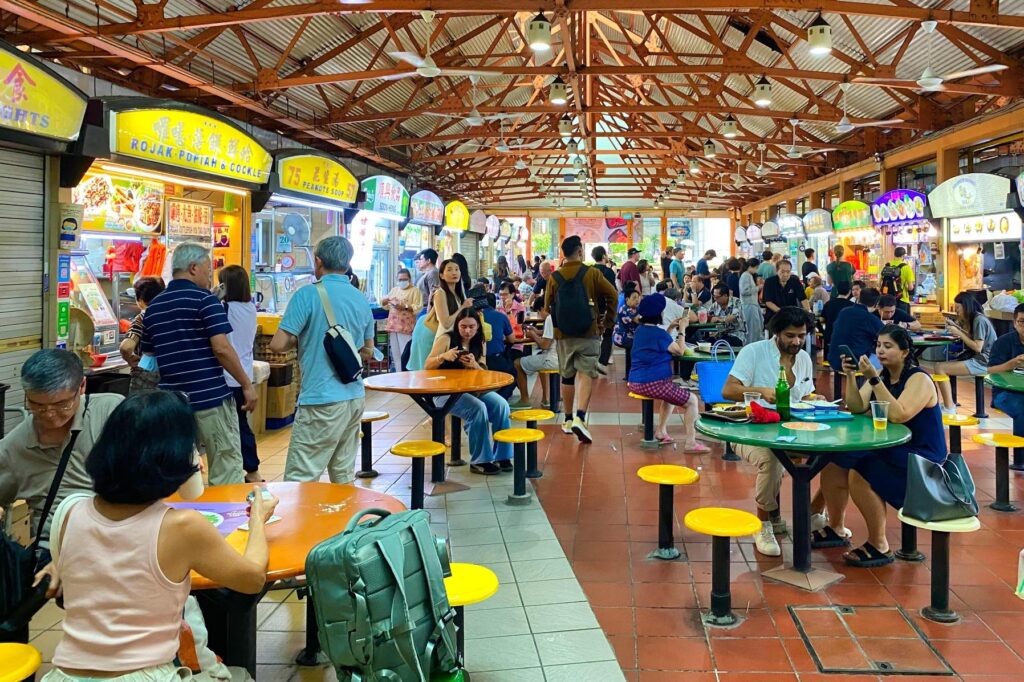
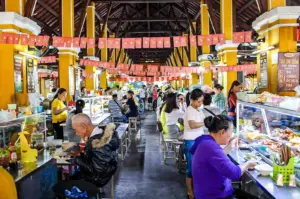
The air in Chinatown Complex Food Centre at ten in the morning is different. It’s a slow, steady hum. The frantic lunch rush has not yet begun, and the last of the breakfast crowd is finishing their coffee. Steam rises in soft clouds from simmering pots, carrying the scent of star anise and soy. It’s here, in this sprawling, beloved space, that a small, unassuming stall displays a red Michelin plaque next to its handwritten menu. The juxtaposition feels both strange and perfectly natural. A global symbol of fine dining sits quietly beside a sign advertising soya sauce chicken rice for just a few dollars.
This scene captures a shift that has rippled through the food worlds of Singapore and Hong Kong. For decades, hawker food has been the bedrock of daily life. It is reliable, affordable, and deeply woven into the cultural fabric. The arrival of the Michelin Guide in these cities brought an unexpected spotlight, bestowing its coveted stars upon stalls that had been quietly perfecting their craft for generations. It raised questions I found myself returning to. Does a Michelin star change the soul of a five-dollar bowl of noodles? And what does this recognition mean for the people who make and eat this food every day?
The Taste of Recognition
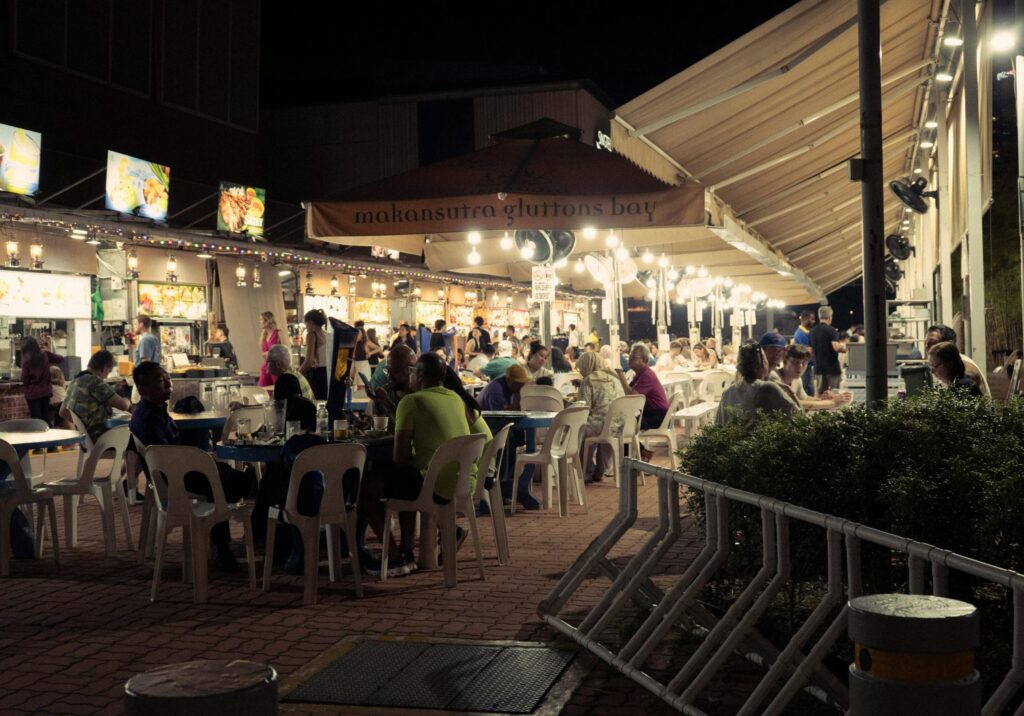
Growing up in Singapore, I knew a lot about how delicious the food is. My family would spend time in Newton Food Centre or Maxwell Food Centre, sometimes my Dad would bring me to Lau Pa Sat. My childhood was filled with interactions with street food vendors and walking the aisles of Singapore’s hawker centers and enjoying the local foods that comforted me through the hardest times of my life. Each hawker stall, each noodle soup, each local dishes were also my roots.
But I never knew they were recognized worldwide, that they would be featured in a movie such as Crazy Rich Asians. I never knew that Singapore hawker centres are famous hawker centers, because to me, they were just a place where you can find Singapore’s street food. A way to differentiate different kinds of cuisine, may it be Indian food at Tekka Centre in Little India, or the roasted meats and char kway teow stalls at Maxwell Food Center near Tanjong Pagar. Then I realized, they’re more than that, they’re recognized because of the way, not only taste, but the way they reflect the multi-cultural local color of our country.
It was then that I knew of the Michelin Star that was awarded to a number of hawker stalls in Singapore, some of the best satay, some with ingredients from the old market or city state, some in Maxwell Center (which i also realized to be really really famous as I’ve mentioned it already thrice), most stalls are also from food courts that are close wet market and the likes.
So I have decided to walk through some of these hawker centers, here in Singapore, and somewhere far but somewhere familiar, as to why I chose Hong Kong. I want to know, without bias, if the star makes up the identity or the central location of the food centre. If the food are tasty enough to have tourists flock to its gardens and make a trip of these stalls, or are these just the perfect place to get the best meal of your life?
In front of a Starred Food in Singapore: Chinatown Complex
My first stop was at Hawker Chan, the stall that started it all, though I visited its slightly more formal outpost just a short walk from the original Chinatown Complex location. I ordered the dish that made it famous: the Soya Sauce Chicken Rice. The plate that arrived looked simple, almost humble. Slices of impossibly smooth chicken lay over a mound of fragrant rice, a side of blanched greens providing a splash of color. The first bite was a lesson in texture. The chicken skin was slick and deeply savory from its soy-based braise, and the meat beneath was tender and moist. The rice itself was not an afterthought. It was full-flavored and perfectly cooked, a worthy partner to the chicken.
It was easy to understand why it earned a star, and to some extent, it still deserves its star as it lost its star in 2021. The technique was flawless. Every element was executed with a precision that spoke of years, even decades, of repetition. Yet, the feeling was not one of fine dining. It was a feeling of deep, uncomplicated satisfaction. The price, still remarkably low, kept it grounded. This was not a dish to be analyzed and deconstructed. It was a dish to be eaten and enjoyed. The star brought a longer queue, but the heart of the dish felt unchanged. It was still, at its core, exceptional hawker food.
One of the Great Food Adventures: Mong Kok
Venturing to Hong Kong, I found a similar story in the bustling neighborhood of Mong Kok. At Tim Ho Wan, often called the world’s cheapest Michelin-starred restaurant (it previously belonged to Soya Sauce), the experience felt like a bridge between a traditional dim sum house and a fast-paced eatery. I ordered their famous baked BBQ pork buns. They arrived hot from the oven, their golden-brown tops crackled like a sugar cookie. Breaking one open released a puff of steam and the sweet, smoky aroma of char siu. The bun itself was light and crumbly, a perfect vessel for the rich, saucy filling. It was a moment of pure comfort.
Here, too, the Michelin star seemed to amplify what was already there. The queues were longer, the name more famous, but the food remained the focus. The dedication to craft was evident in every perfectly pleated dumpling and every flaky pastry. It was a celebration of Cantonese culinary tradition, made accessible to everyone.
Culture, Community, and a Red Plaque
The elevation of hawker food by a Western institution like Michelin is a complex matter. On one hand, it is a moment of immense pride. It validates the skill, hard work, and cultural importance of hawkers who have long been the unsung heroes of the culinary world. Seeing a hawker auntie or uncle receive global recognition feels like a collective victory. It declares that a bowl of noodles prepared with care in a bustling hawker center in Singapore has as much merit as a dish served on white tablecloths in Paris.
On the other hand, it introduces pressures. The queues can become unmanageable, pricing can creep up, and the weight of expectation can be heavy. Regular customers, the ones who have supported these stalls for years, can sometimes be priced out or crowded out. There is a delicate balance between celebrating success and preserving the accessibility that defines hawker culture.
During my visits, I noticed that the best stalls managed this balance with grace. They maintained their commitment to quality while keeping prices reasonable. The focus remained on the food. The Michelin star was a welcome honor, not a reason to change their fundamental approach. The food was still for the community, for the office workers on their lunch break and the grandparents treating their grandchildren.
The Enduring Soul of Hawker Food
So, would I return? The answer is a quiet, unequivocal yes. Not for the star, but for the food itself. The Michelin recognition is a fascinating chapter in the story of hawker cuisine, but it is not the whole story. The true magic of a hawker center lies in its energy, its diversity, and its connection to the rhythms of everyday life.
The star might guide you to a particular stall, but the real discovery happens when you sit down at a simple table, surrounded by the sounds and smells of a place that is alive and breathing. It’s in the taste of a perfectly executed dish that has been perfected over a lifetime. It’s in the shared experience of eating good food among neighbors and strangers. The star is a welcome signpost, but the destination has always been there, waiting to be enjoyed, one satisfying plate at a time. That is what makes it worth coming back for.
For more on Asian food, read up on “The Philosophy Behind Omakase Singapore: Seasonal Cooking and Harmony on the Plate” in Asia Food Fanatic!