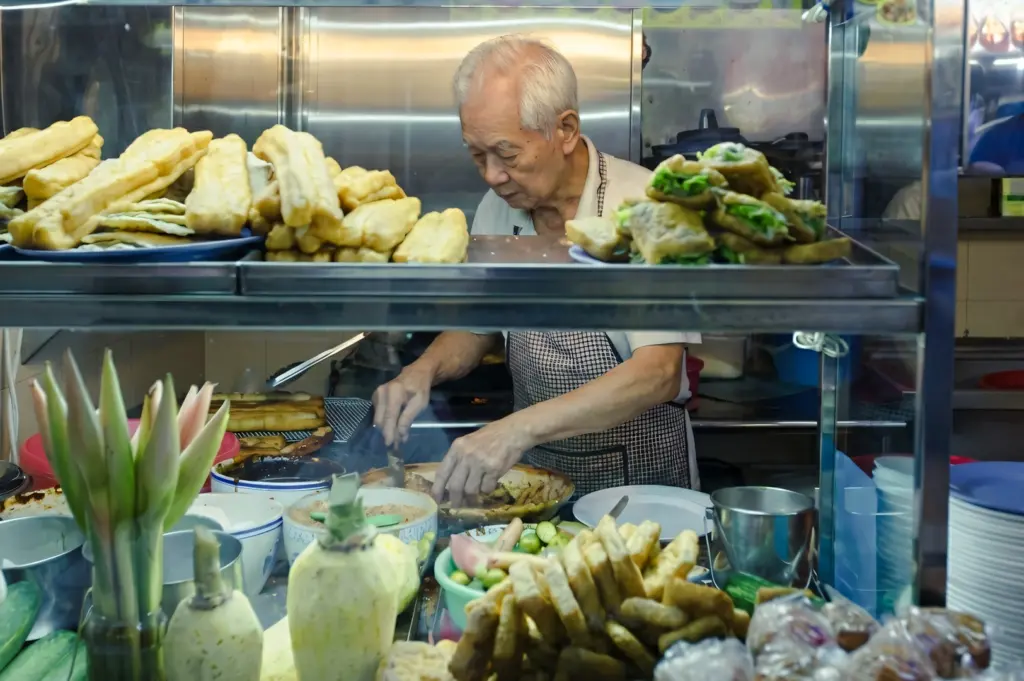
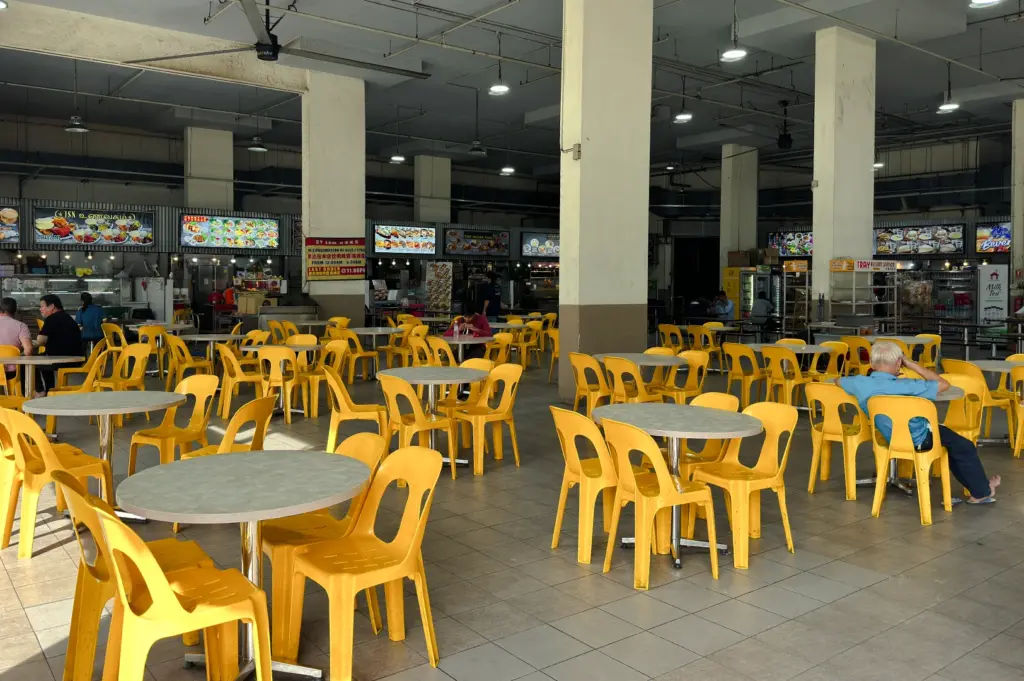
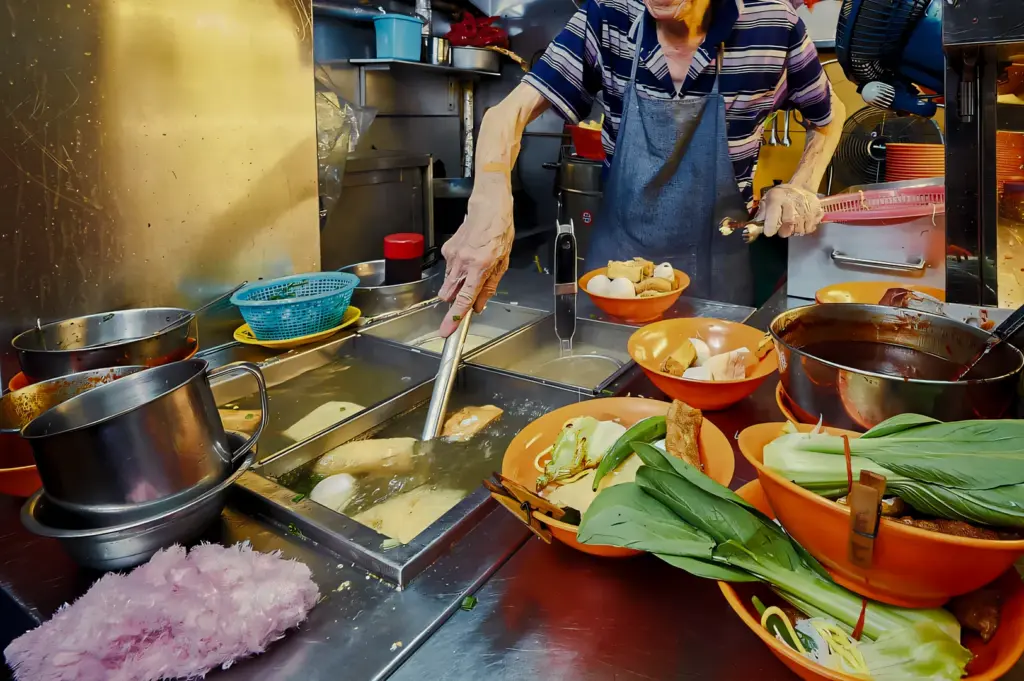
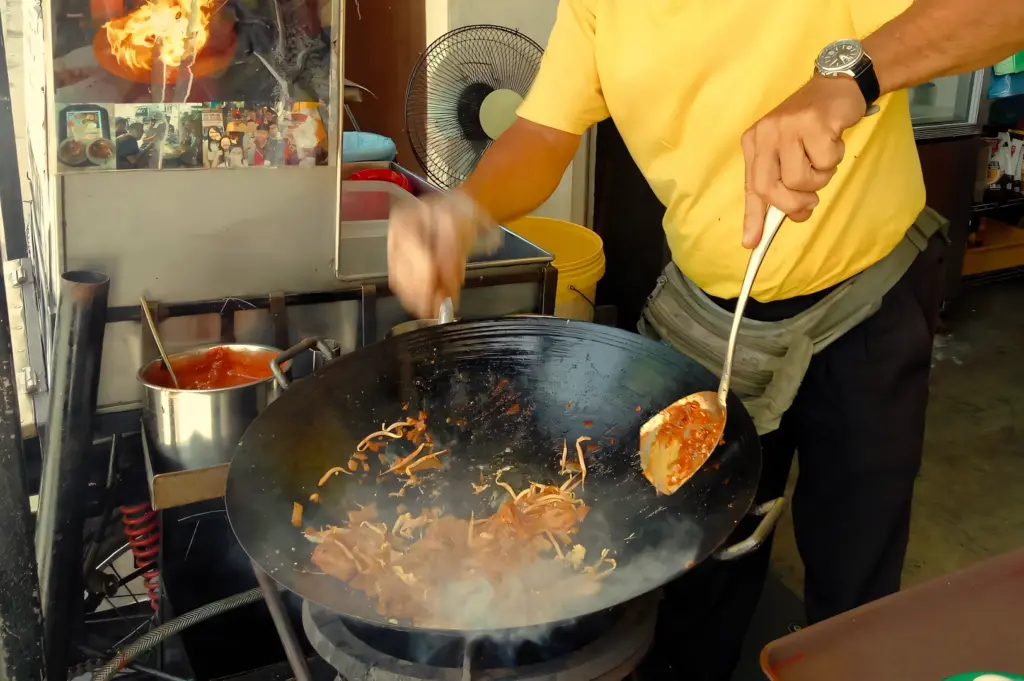
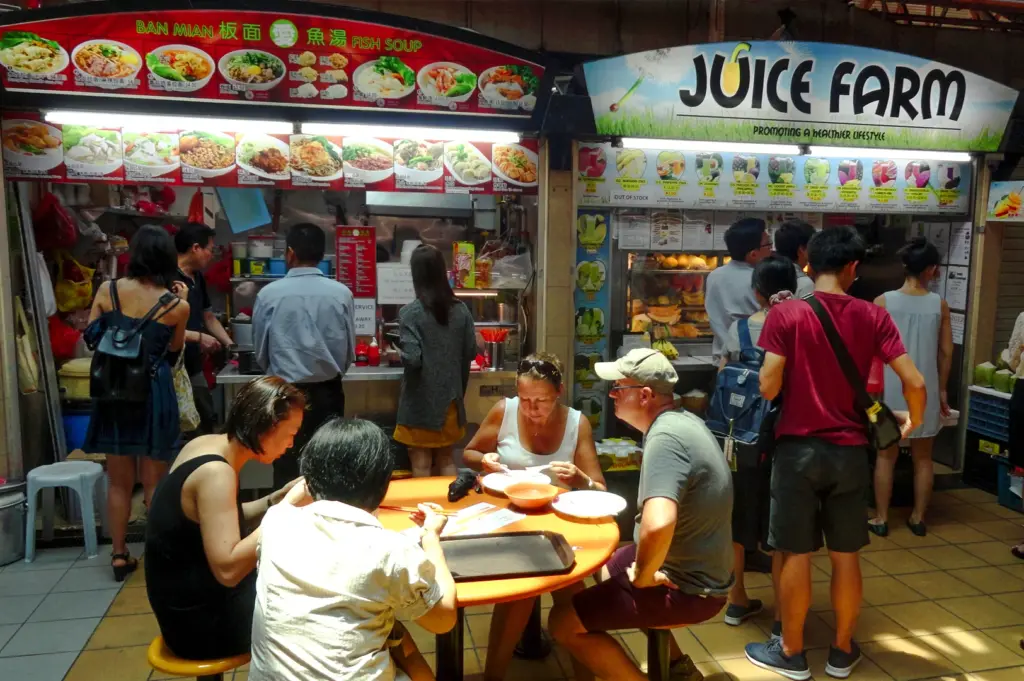
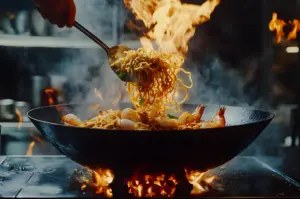
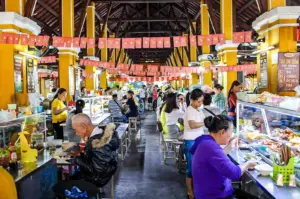
You stand in line at a food centre in Singapore, and the air is thick with anticipation and humidity. The rhythmic clash of a metal spatula against a hot wok cuts through the ambient chatter. Smoke billows from a nearby stall, carrying the intoxicating scent of roasted pork, toasted spices, and caramelized soy sauce. The hawkers move with practiced, brutal efficiency. They chop meat, toss noodles, and serve plate after plate without breaking a sweat. It is a beautiful, chaotic ballet.
But look closer at the faces behind the glass.
Most of these culinary masters have silver hair. They have spent four decades standing in front of roaring fires. Their hands tell stories of burns, cuts, and relentless labor.
They are tired. The realization hits you like a physical weight. When these veterans finally turn off the lights,
who will cook the next plate?
This is the succession crisis in our Singapore street food scene. It is a problem that threatens to erase a vital piece of our identity. We love to celebrate our food, but we rarely want to pay the true cost of producing it. We need to look hard at what happens when the fires go out.
What Is At Stake Beyond the Plate
This crisis matters because hawker centres are not just places to grab a cheap meal or satisfy the cravings of hawker food. They are our community dining rooms. They are the great equalizers of our society. You will see a taxi driver sharing a table with a corporate executive, both sweating over a bowl of spicy noodles. This is the social fabric of Singapore in action.
Culinary Practices in a Multicultural Urban Context
In our highly structured, multicultural urban context, these open air spaces are where diverse backgrounds gather. They are where Chinese, Malay, and Indian culinary traditions sit side by side. You can smell the rich, earthy turmeric of a curry mixing with the sharp vinegar of a chili dipping sauce. When a hawker stall closes for good, we do not just lose a recipe. We lose a gathering point.
The loss of these community spaces threatens the very soul of the city. We risk sanitizing our food markets into sterile, soulless food courts where efficiency trumps flavor. We risk losing the raw, unpolished energy that makes eating in Southeast Asia so spectacular. Protecting hawker culture means protecting our shared space.
The Work, Unromanticised
We love to romanticize the life of street food vendors. We watch glossy documentaries that paint them as noble artisans. But the reality is grueling, backbreaking work. The hours are punishing. A typical day starts long before the sun rises. The preparation is endless.
Before a single customer arrives, the hawkers are already sweating. They are boiling massive pots of stock for soup. They are rendering chicken fat for fragrant rice. They are meticulously preparing ingredients for a popular dish that takes hours to build but minutes to eat. They are grilling chicken wings over smoking charcoal, their eyes stinging from the heat.
Cooking a simple plate of egg noodles requires intense physical stamina. The wok is heavy. The heat is oppressive. You are on your feet for ten, twelve, or fourteen hours a day. There are no sick days, and the profit margins are razor thin. It is a life of repetition, precision, and physical strain.
It is easy to demand delicious, cheap food. It is much harder to be the person doing the cooking.
Food as Memory and Craft
The craft required to execute these dishes is staggering. Every iconic dish demands a lifetime of fine-tuning. Take char kway teow, for example. It is not just fried noodles that hailed in Penang. It is an exercise in controlling extreme heat, balancing dark soy sauce, and coaxing the elusive breath of the wok into every bite.
Think about a proper
chili crab. The sauce must balance sweetness, acidity, and a fiery kick, thickened perfectly with ribbons of egg. Consider the painstaking process of roasting
char siu until it achieves a caramelized, sticky crust while the meat remains tender. A bowl of
peppery pork ribs takes hours of simmering to extract every ounce of flavor from the bones.
Community Dining and Cultural Heritage of Humanity
The complexity extends to every corner of the market. An authentic biryani requires a masterclass in layering spices, meat, and rice, steaming them together until they are perfectly aromatic. A traditional breakfast demands perfectly soft hard boiled eggs, thick coconut jam, and butter melting into toasted bread. Even the condiments are labors of love. A hawker might spend hours grinding fresh chilies for a proprietary chilli sauce or roasting nuts for a rich, savory peanut sauce.
Whether it is perfectly cooked prawns, a rich coconut curry, or a delicate clear broth, the culinary practices are deeply complex.
Each element is cooked and served with an intuitive understanding of flavor that cannot simply be learned from a recipe book. It must be lived.
Institutions and the Weight of Recognition
The world has certainly noticed this culinary treasure. Institutions and government bodies have stepped in to offer recognition. The National Environment Agency and the National Heritage Board frequently highlight the importance of our food heritage.
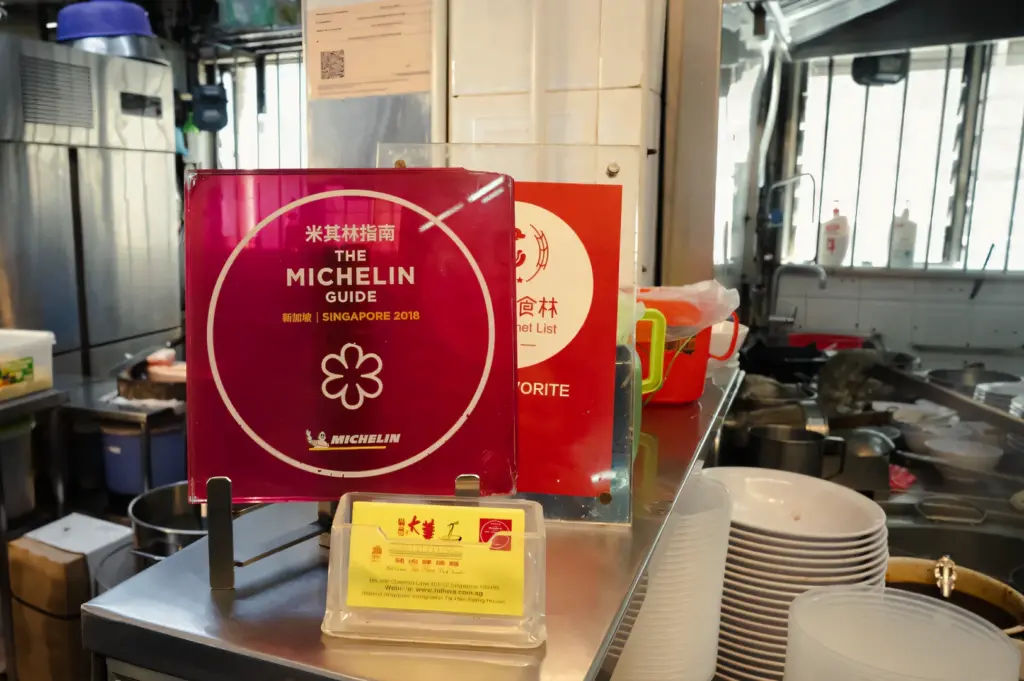
Global validation arrived when the Michelin guide began awarding the coveted michelin star to humble street vendors. This brought international tourists flocking to our food markets. The ultimate institutional nod came when UNESCO added Singapore’s hawker culture to its representative list, officially naming it an intangible cultural heritage of humanity.
But plaques and stars do not solve the fundamental problem. You cannot eat an award. While this recognition brings pride, it also brings immense pressure. A star can mean longer queues, but it does not magically reduce the cost of ingredients or the physical toll of the work.
Framing this culture as a cultural heritage of humanity is important, but it does not convince a young person to endure sixteen-hour days in a hot kitchen. Recognition is a starting point, not a solution.
Who Replaces the Hawkers
The barriers to entry for a new generation are incredibly steep. Young people today have changing expectations. They are educated, ambitious, and aware of the physical toll this industry takes. Why sweat over a hot stove when you can work in an air-conditioned office?
For those who do want to cook, the economics are terrifying. Capital costs and rent can be paralyzing. The transition from older hawkers to new blood is fraught with challenges. Merchants associations try to provide support, but the gap between generations is wide.
We also face a tension between traditional spaces and modern convenience. Independent street vendors are increasingly being pushed into sanitized, corporate-run food courts. These spaces lack the character, the noise, and the community feel of a true hawker centre. We risk turning a vibrant culinary ecosystem into a standardized, franchised experience. If we do not make the profession economically viable, we will have no one left to run the stalls.
Where Hope Shows Up
Despite the grim outlook, there is genuine hope. You can see it if you know where to look. There is a new wave of passionate, educated hawkers who are stepping up to the plate. They are preserving the old ways while bringing fresh perspectives to the business.
Walk through Newton Hawker Centre or the bustling food centers in Little India.
You will see young faces behind the counters. They are working alongside the veterans, learning the rhythms of the wok. They are using social media to tell their stories, but they are not cutting corners on the food.
Our Diversity Mirrored in Hawker Centres
These spaces remain fiercely alive. People from all diverse backgrounds still gather here daily. Locals and visitors alike know that this is the perfect spot for an authentic meal. Whether it is a quick breakfast of noodles, a hearty lunch of fragrant rice and chicken, or a massive seafood dinner, the demand is undeniably there.
Singaporeans remain deeply loyal to their favorite stalls. We will cross the island and stand in the heat for a taste of something genuine. We know that the food served here rivals the best restaurants in the world. As long as there is an audience hungry for real, honest cooking, there is a reason for the next generation to fire up the stoves.
The Cost of Continuity
So, what must change? The answer is uncomfortable. We must be willing to pay more for our food. We have been spoiled by artificially suppressed prices for decades. We cannot demand world-class culinary execution and expect to pay loose change for it.
If we want young, talented chefs to choose hawker stalls over high-end restaurants, we must respect the craft economically. We must support policies that keep rent manageable and provide proper training for the next generation.
We must view these cooks not as cheap labor, but as the guardians of our culinary identity.
The succession crisis in hawker culture in Singapore is a defining moment. It forces us to ask what we truly value. When I look at a steaming plate of expertly fried noodles, I ask myself the ultimate question.
Would I come back for this? Absolutely.
Asia Food Fanatic would come back tomorrow, the next day, and ten years from now.
I just hope that when I return, there is still someone standing behind the wok, ready to cook.