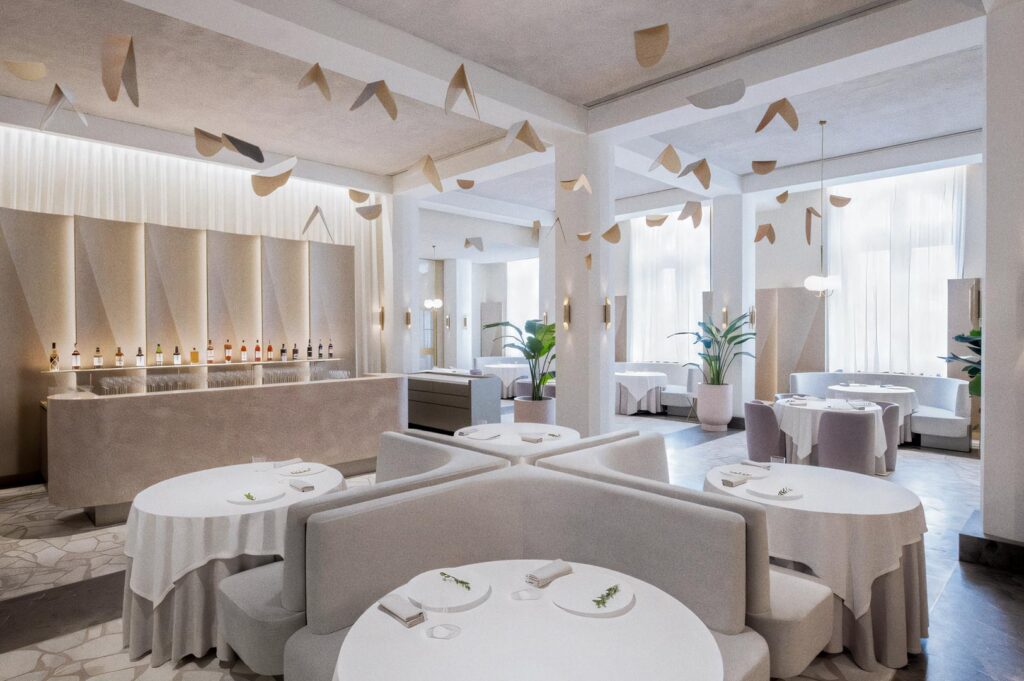
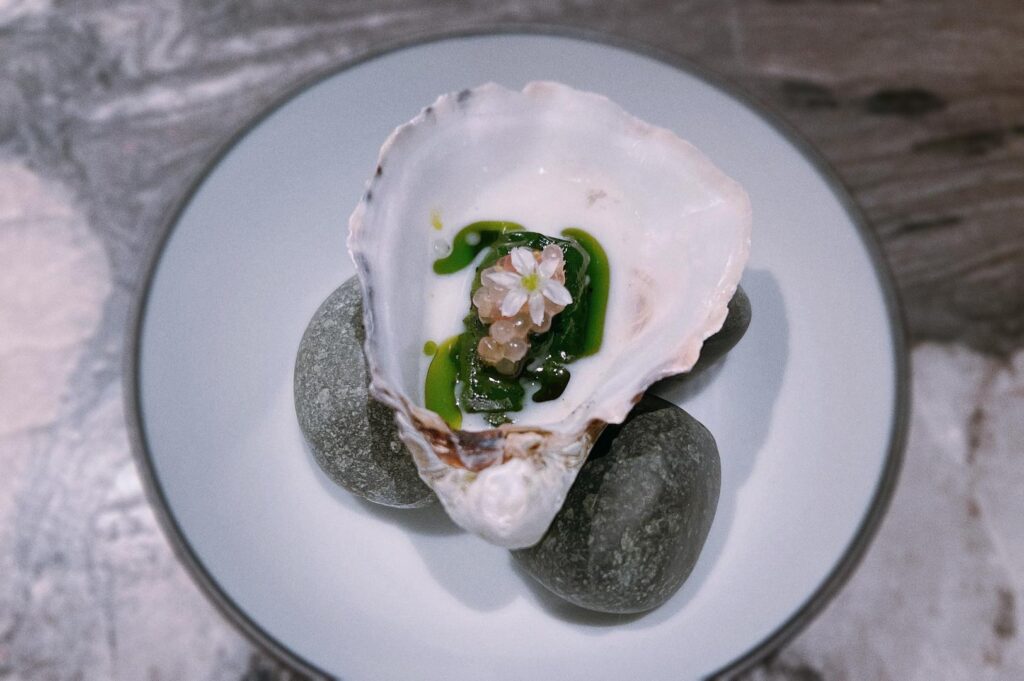
The silence in a fine dining room has a specific weight. It is not the hushed, nervous quiet of a library, but an expectant stillness. At Odette, amidst the soft pastels and the gentle clink of silver on ceramic, that silence feels like a canvas. A server places a dish of Hokkaido uni and prawn tartare before you. It looks French. It is plated with the geometric precision of a European master. But then you taste it. There is a hum of yuzu, a whisper of shiso. The architecture is French, but the soul has traveled.
This interplay defines the current landscape of fine dining restaurants in Singapore. It is no longer just about importing the best of Paris or London to the tropics.
It is about a confident, complex identity that acknowledges where we came from and asserts where we are going. To eat well in this city is to taste its history, from its colonial roots to its unapologetic embrace of Asian heritage.
From Colonial Tables to Culinary sovereignty
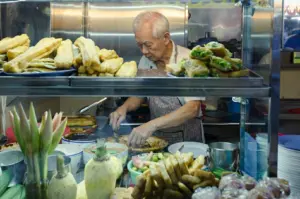
For a long time, “fine dining” in Singapore meant Western food. To me, it meant heavy drapery, stiffer service, and menus that looked to European for validation. This was the legacy of being a British colony. It made us believe that luxury was defined by distance. The further an ingredient had traveled, the more valuable it was considered. Escargot and foie gras were the benchmarks of taste, while local ingredients were relegated to the hawker center or the home kitchen.
Lately, we watched how that hierarchy has shifted. The evolution of fine dining in Singapore mirrors the nation’s own journey. We spent decades learning the rules of classical French and English gastronomy, mastering the mother sauces and the table settings. Then,
we began to break them.
Chefs like
Malcolm Lee of Candlenut were pivotal. By taking Peranakan cuisine (a complex, labor-intensive heritage food) and giving it the respect and refinement usually reserved for French cooking, he changed the conversation. Suddenly, a
buah keluak curry was not just “local food.” It was gastronomy. It challenged the idea that sophistication requires a passport.
The New Language of Luxury
Today, the best fine dining restaurants in Singapore are fluent in multiple culinary languages. They do not see a contradiction between French technique and Asian produce; rather, they see opportunity to delight the senses with exquisite flavors and refined dishes.
At
Labyrinth, Chef LG Han takes this a step further by championing
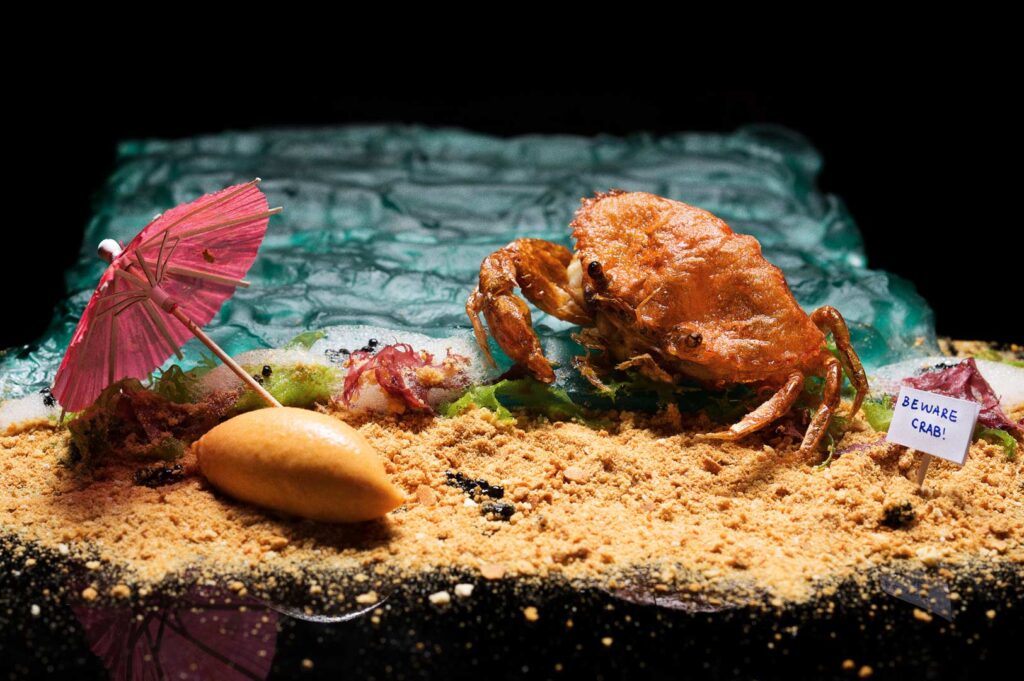
“New Singaporean” cuisine. He reimagines the chili crab, not as a messy, glorious hawker dish, but as a sophisticated culinary journey, often using locally sourced crabs to showcase authentic taste. Come to think of it, it’s a bold move in a country that imports over 90 percent of its food, signaling that our own terroir, limited as it may be, is worth exploring.
Narrative and Art in Service
This shift is not just about ingredients. It’s about narrative and art. When you sit down at a place like Zén, you are not just consuming calories; you are participating in a story. The service style has evolved too. Notice how the stiff, silent waiter has been replaced by a storyteller, someone who explains the provenance of the soy sauce or the inspiration behind a specific fermentation technique.
Listening to the waiter carry an art of narrative when speaking of how a certain dish came to be, how an Italian dish is now fused with Teochew cuisine or something along the lines, it’s one of my favorite parts. It is warmer, more personal, it immerses the life of the dish for me, and is distinctly Singaporean in its hospitality.
The Symphony of New Signature Dishes
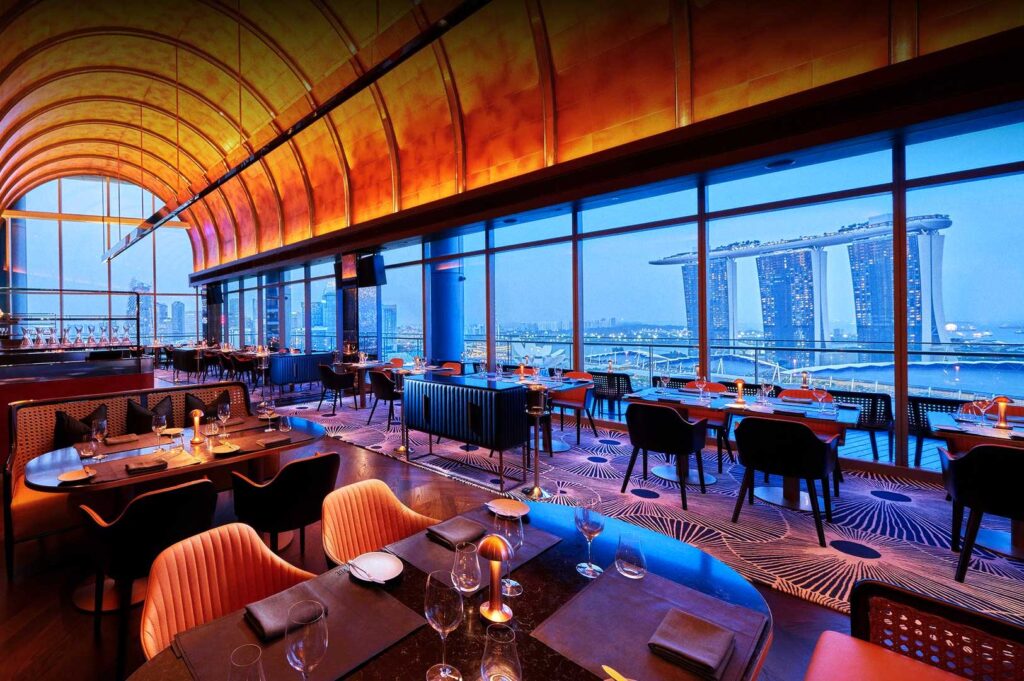
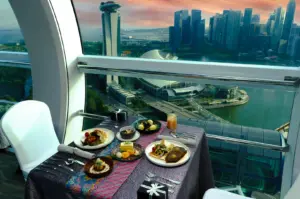
These fusions, Fine dining restaurants in Singapore now discovers and offer signature dishes that blend the best of east and west, creating a symphony of flavours that captivate taste buds and elevate the dining experience. These fusions combined with stunning views of the city skyline or Marina Bay (as most fine dining restaurants in Singapore are located), enhances the atmosphere for us guests.
In this vibrant scene, celebrated chefs like Kirk Westaway continue to push boundaries with menus that showcase seasonal ingredients and culinary expertise. The experience of how you sip signature cocktails at a sophisticated bar or savour multi-course meals on a Wednesday or Saturday night, it creates a symphony of how restaurants provide an elegant setting for friends, couples, and food enthusiasts alike.
It mirrors our cuisine’s cultural confidence with culinary excellence.
The Sensory Experience
What does this cultural confidence taste like? One might ask, for me, it tastes like innovation grounded in memory, blending authentic taste with exquisite flavors.
At
Cloudstreet, the tasting menu might move from a Sri Lankan curry of Western Australian marron to a dish featuring grilled oyster with betel leaf. The transitions are seamless. The flavors are robust, spiced, and complex, defying the old notion that fine dining must be subtle to the point of blandness. This culinary journey showcases the finest ingredients and refined dishes that define Singapore’s evolving food scene.
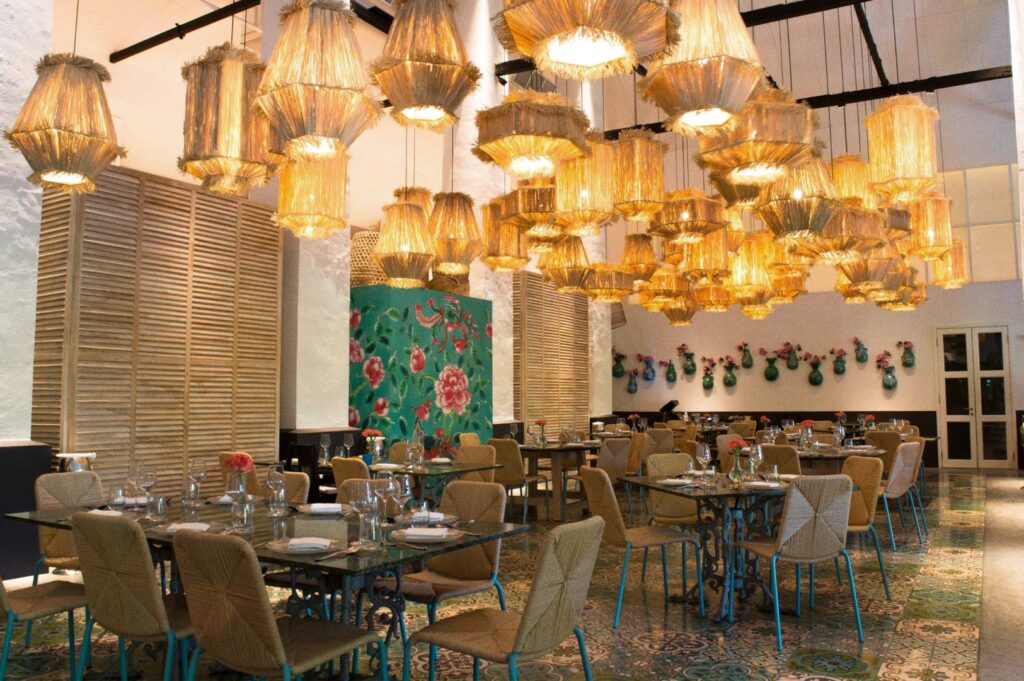
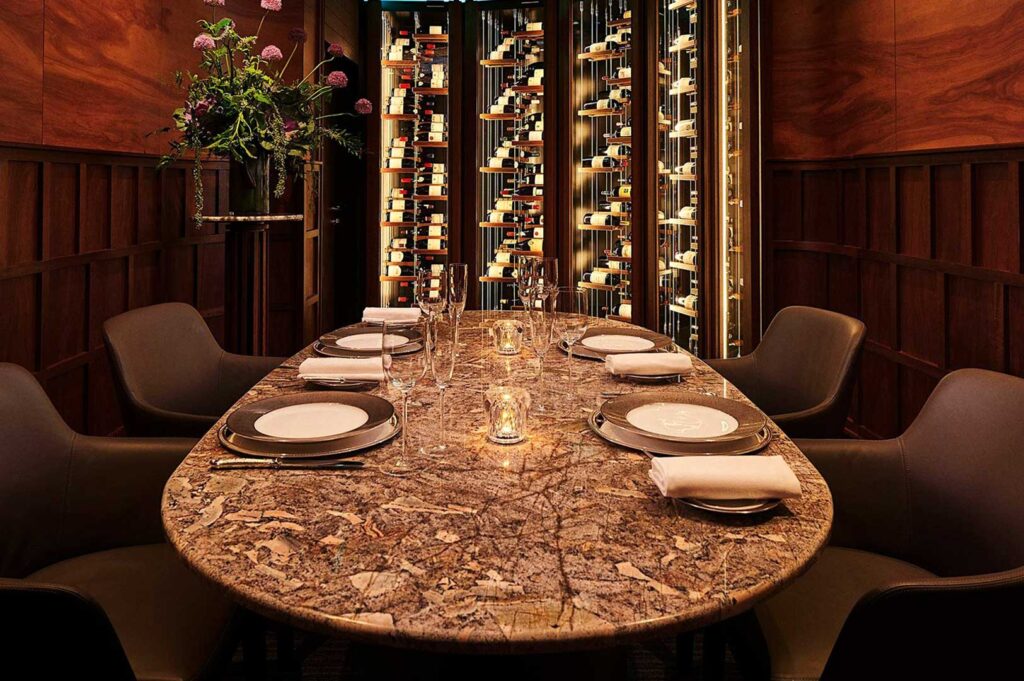
The ambiance in these spaces reflects this modern energy. The heavy tablecloths are largely gone. In their place are natural materials, open kitchens, and lighting that flatters the food rather than dimming the room into submission. The dress codes have relaxed slightly, though “smart elegant” remains the standard. You will see blazers, yes, but you will also see stylish, comfortable attire that suits the tropical climate.
This is fine dining culture that understands its context. It knows it exists in a humid, vibrant, multicultural city, and it dresses accordingly. It is part of the sophisticated setting of fine dining restaurants in Singapore, where guests indulge in signature dishes and enjoy impeccable service within a refined and elegant atmosphere.
Practicalities of the Scene
Engaging with this level of fine dining restaurants in Singapore requires some planning. The spontaneity of hawker dining does not apply here.
- Reservations are essential. For Michelin-starred restaurants like Odette or Les Amis, booking a month or two in advance is standard to secure a table in these sophisticated settings renowned for their impeccable service and exquisite dishes.
- Budgets must be realistic. A lunch tasting menu featuring refined dishes and seasonal ingredients might start around S$150, but a full dinner experience at a top-tier establishment often exceeds S$300 or S$400 per person, especially once wine pairings, signature cocktails, and taxes are added.
- Dress codes are generally enforced but rarely draconian. Avoid shorts and open-toed shoes for men. The goal is to impress with respect for the occasion, not blind adherence to a rulebook.
- Appropriate events are also important to note when deciding which restaurants to go to. These restaurants suit diners who are curious and eager to indulge in a rich, sensory experience that elevates taste buds and celebrates the finest ingredients.
- If you are looking merely for sustenance or a quick business deal, a private club or a premium steakhouse like Burnt Ends might serve you better.
What you need to remember is that the world of fine dining is an experience. Ask yourself if you seek breathtaking views or stunning skyline views from exclusive floors, or the sophisticated ambiance of these venues, (complemented by artful plating and curated drinks), or if you want to hear a narration of how an artform came to be. Because
this kind of experience needs an appreciation, not only for its sophistication, but for its creativity.
Our Identity in Skyline Views and Curated Meals
The rise of fine dining restaurants in Singapore is a story of reclaiming value. It is a declaration that our sambals, our curries, and our fermentations are as complex and worthy of the white-tablecloth treatment as any béarnaise sauce.
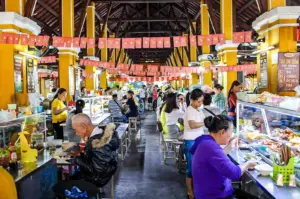
It creates a fascinating tension. We still love our S$5 noodles. We will defend our
favorite hawker stall to the death. But we also appreciate the artistry of a chef who can take those familiar flavors and translate them into something ethereal.
Would I come back to these places? Yes. Not every week, and perhaps not even every month.
But I return when I want to see how the conversation is evolving. I return to taste how a chef navigates the balance between tradition and innovation.
In the end, the best dining experiences here are the ones that make you pause. They are the meals where the food is delicious, yes, but also where it feels like a mirror. You look at the plate, and in the careful arrangement of local herbs and global techniques, you see a reflection of Singapore itself. Complex. Polished. And entirely its own.