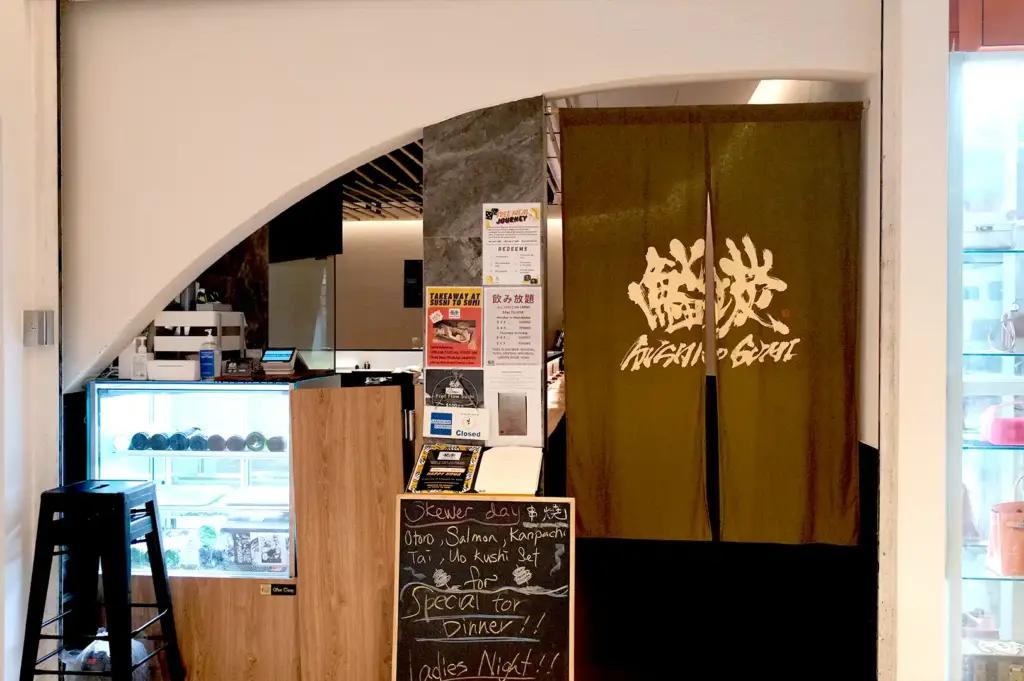
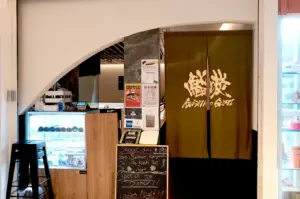
There is something immediately different about eating at Sushi To Sumi.
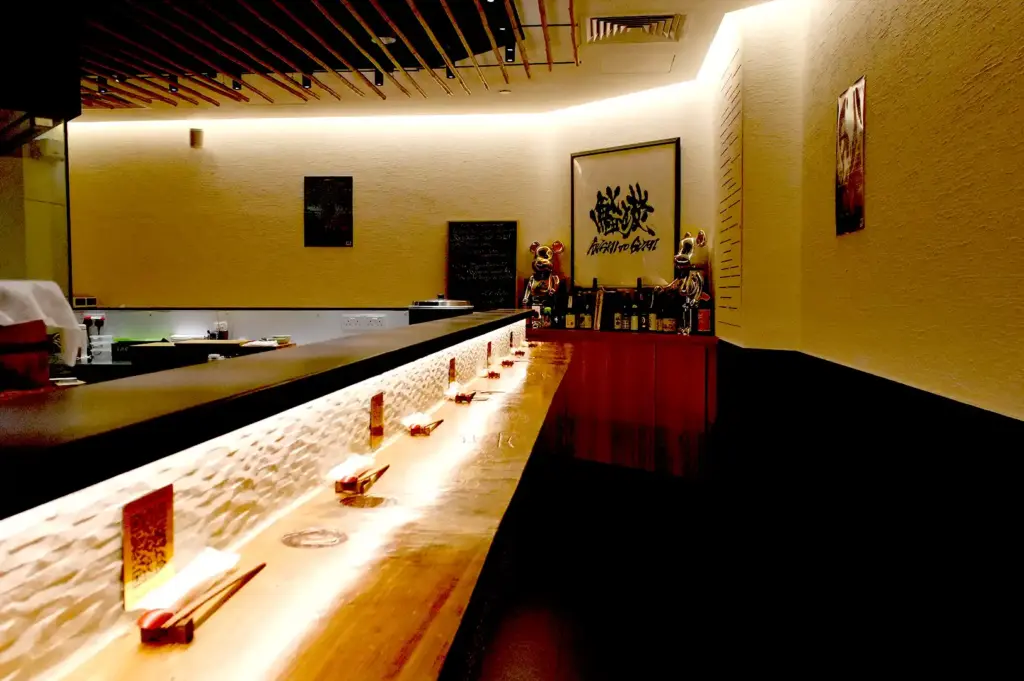
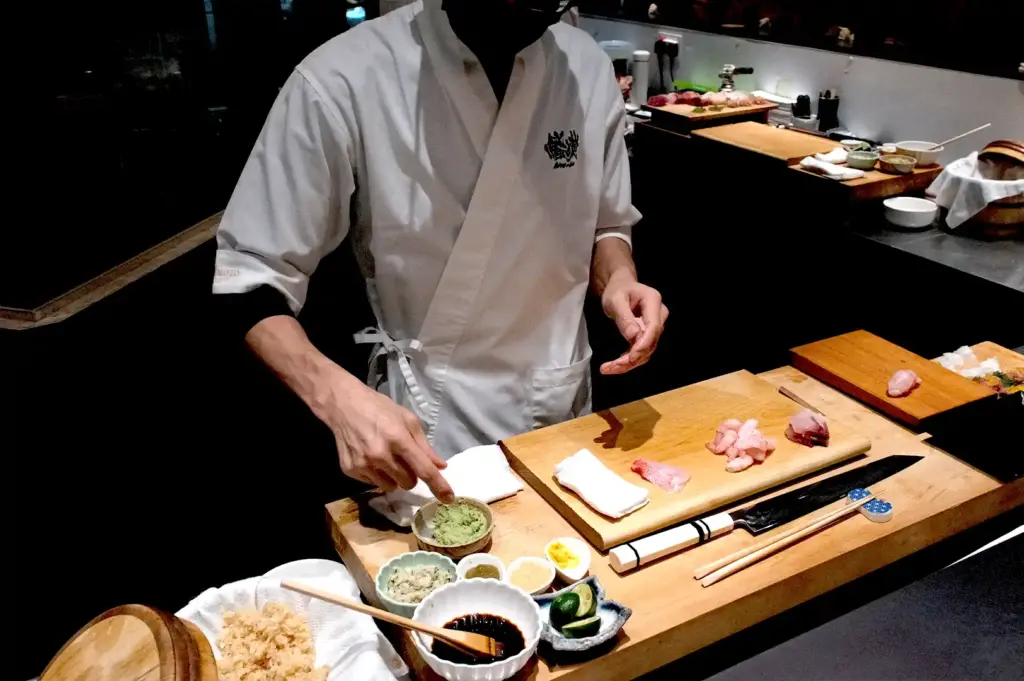
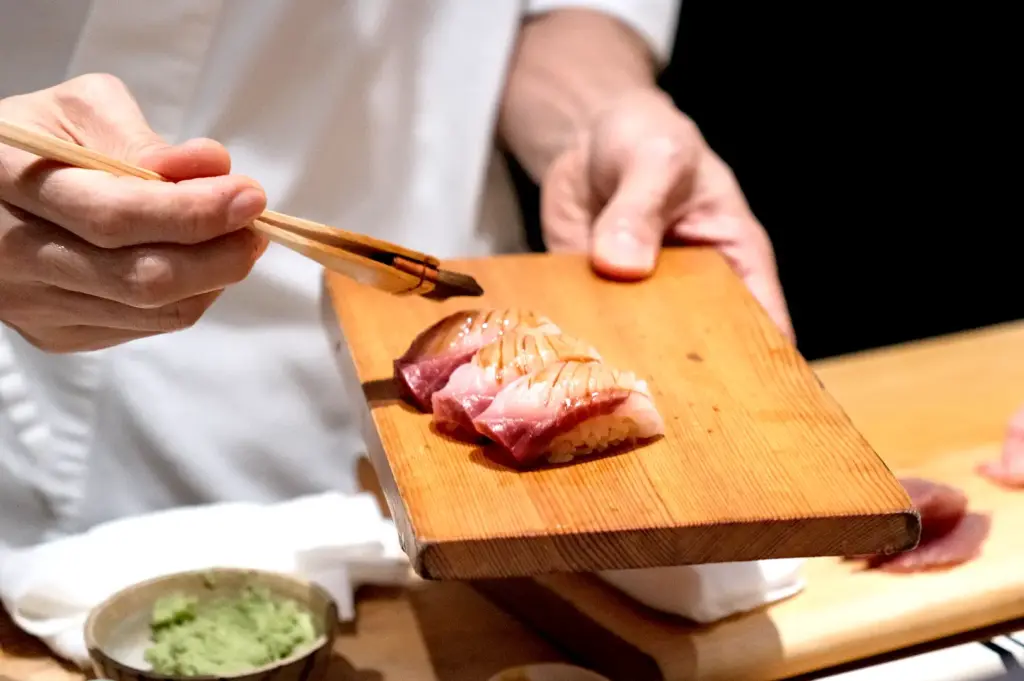
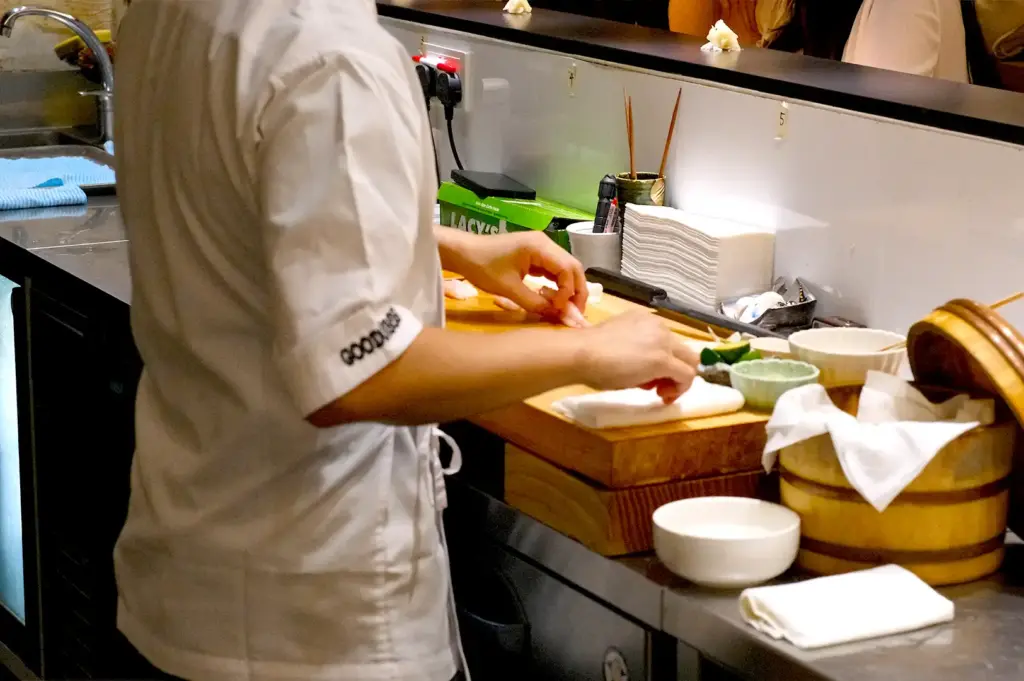
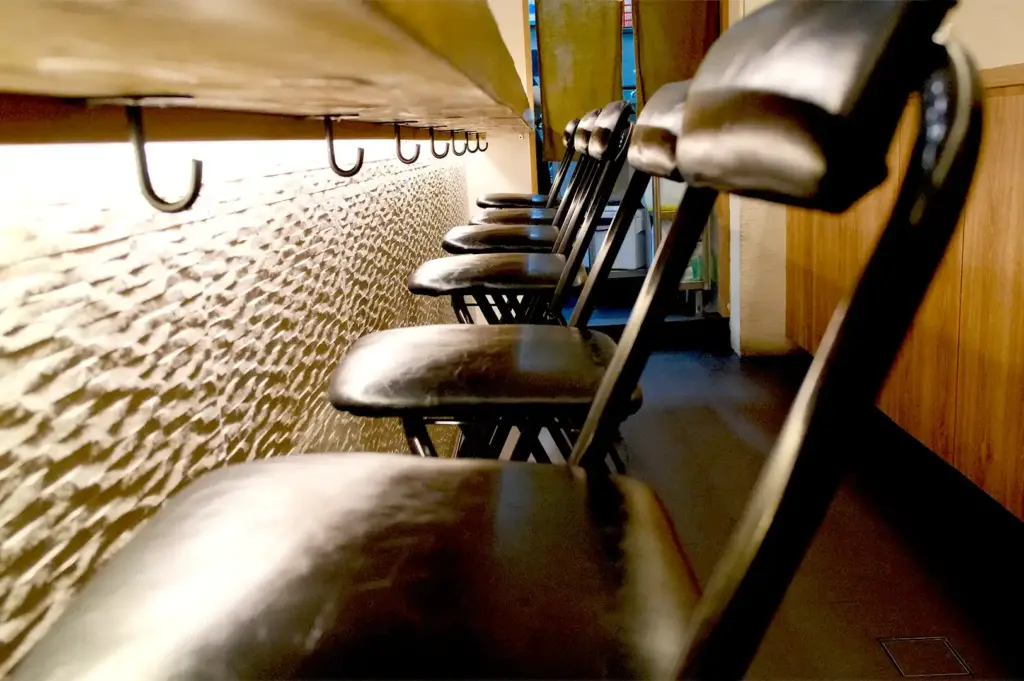
There are no chairs at the daytime counter. You stand close to the chef, watch the sushi being prepared, take your pieces as they arrive, and eat at your own pace. In the middle of Raffles Place, it feels less like a long restaurant meal and more like stepping briefly into the rhythm of a Tokyo lunch hour.
But the standing counter is only the first thing that catches your attention.
Look closer at what is happening with the fish, and another philosophy begins to emerge: nothing is treated as disposable simply because it is not the prized centre cut.
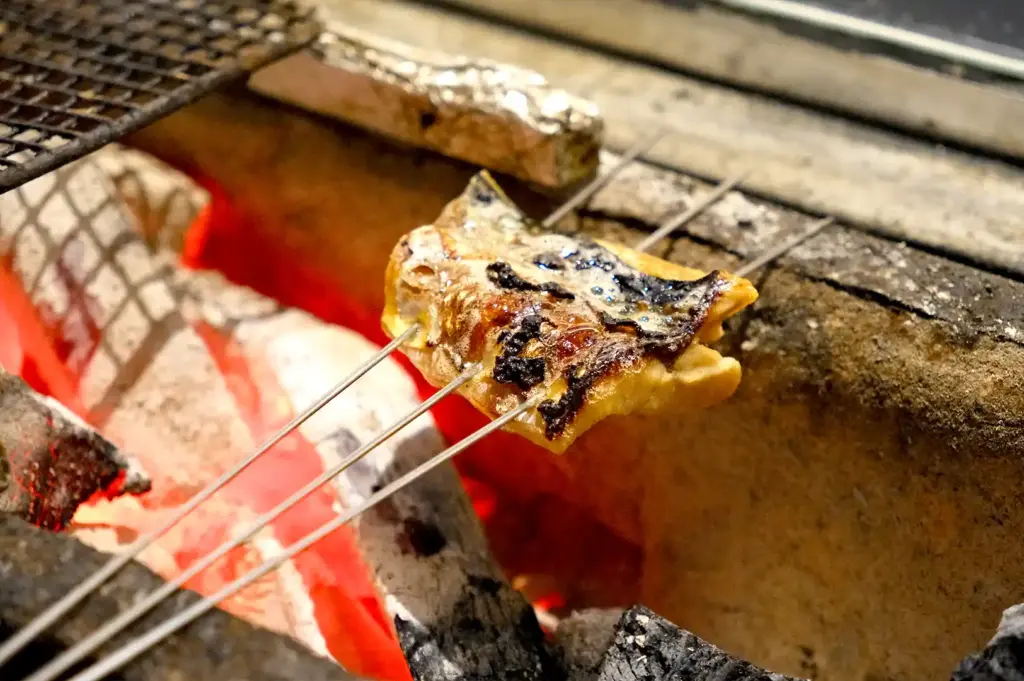
Fish bones can become soup. The kama, or collar, is grilled. Different cuts are given their own place at the table. And because the menu changes according to what is available and in season, the chef works with what the ocean actually provides rather than forcing the catch into a fixed formula.
For a sushi restaurant, that makes for a particularly interesting dining experience.
A Sushi Bar Built for the Way You Actually Eat
Sushi To Sumi’s standing format is called tachigui, a Japanese style of dining where customers eat standing at a counter.
The concept is not simply a visual gimmick. The restaurant positions it as a recreation of Tokyo’s everyday sushi culture, where sushi was historically eaten quickly and casually before diners returned to their day.
And you feel that difference once you are at the counter.
There is less ceremony than you might associate with an elaborate omakase. You are not settling in for a three-hour meal. Instead, there is a certain immediacy to the experience: the chef is working in front of you, the sushi arrives, and the meal moves along naturally.
For someone dining alone, the format makes particular sense. There is no awkwardness about taking a table for one because the counter is designed around individual diners. A quick sushi lunch can genuinely feel like a normal part of the working day rather than an occasion that needs to be planned around.
That is perhaps the restaurant’s most convincing trick. It makes good sushi feel less ceremonial and more everyday.
But How Does the Food Fit Into That Format?
This is where Sushi To Sumi becomes more than an interesting concept.
The restaurant’s proposition is built around serious seafood in a much shorter dining format, with its omakase positioned at around $108. The brand positions this as a way to experience fish of a grade typically associated with significantly more expensive omakase counters, while keeping the meal within the rhythm of a working day.
What stands out during the meal is that the experience is not built around a huge number of elaborate courses. Instead, attention is concentrated on the seafood itself, with the chef deciding what deserves a place on the counter based on the day’s catch.
The menu also changes with seasonality and availability. That means the experience is not necessarily about returning for exactly the same sequence, but about seeing what is worth serving when you arrive.
The Fish Doesn't Stop at Nigiri
The most interesting part of Sushi To Sumi’s seafood philosophy appears when you look beyond the sushi pieces.
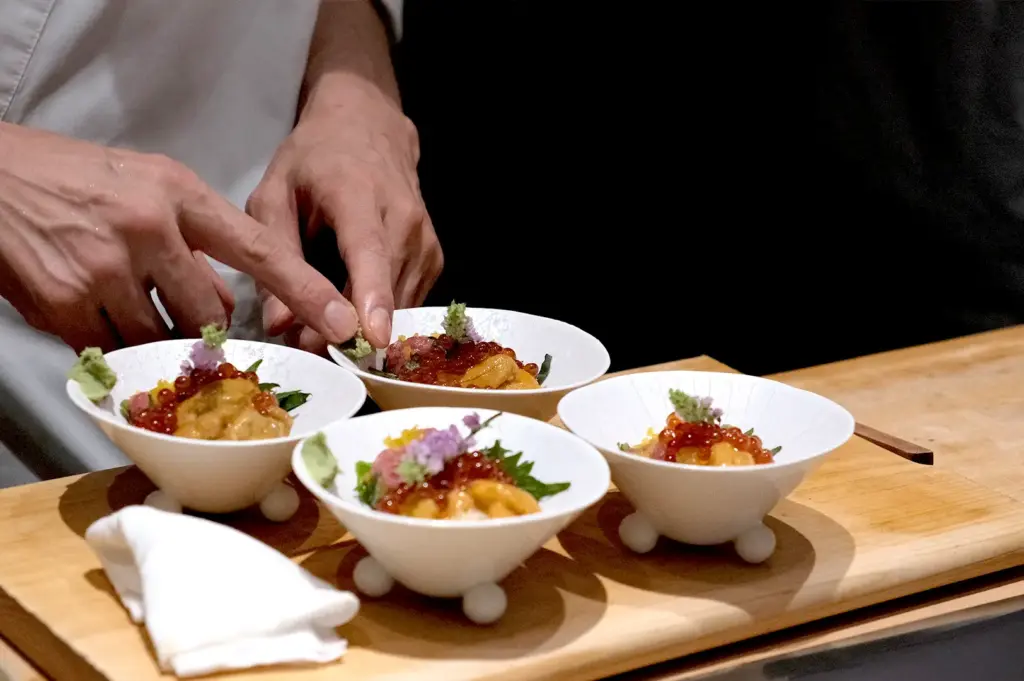
In many sushi experiences, diners naturally focus on the most recognisable cuts: sashimi, otoro, chutoro, salmon, uni and other prized selections. Here, the restaurant also makes use of parts that might otherwise receive less attention.
Fish bones from Araya Shouten’s cutting process can become soup, while the kama, or collar, is grilled and served. These preparations give different parts of the fish their own purpose, rather than treating the prized cuts as the only parts worth presenting.
The approach is particularly consistent with the restaurant’s wider fish philosophy: quality is not simply about finding the most expensive piece, but about understanding how each part of the catch can be prepared properly.
And when the kama reaches the grill, it becomes a completely different expression of the same fish. The charcoal brings heat and smokiness to a cut that has its own texture and character, giving diners another reason to look beyond the familiar centre cuts.
Fire Is Part of the Story Too
The name Sushi To Sumi is itself a clue.
“Tosumi” incorporates sumi, meaning charcoal, reflecting the restaurant’s two defining elements: sushi and binchotan charcoal grilling.
The restaurant uses genuine Japanese white charcoal for grilled and aburi preparations, giving those dishes a clean smokiness rather than simply relying on the theatre of flame.
This gives the meal another dimension.
Sushi is naturally associated with freshness and cool textures. Charcoal introduces heat, smoke and caramelisation, creating a contrast with the raw seafood served at the counter.
It is also a reminder that Sushi To Sumi is not trying to be a cold-only sushi counter.
There is fish and there is fire.
The Menu Changes Because the Ocean Does
Another aspect worth paying attention to is the restaurant’s changing menu. Rather than treating seasonality as a decorative phrase, Sushi To Sumi allows the daily catch to influence what is served. When certain seafood becomes available, it can make its way onto the menu; when it is not, diners move on to something else.
That approach means the experience can reward repeat visits.
The brand narrative highlights seasonal rarities such as Gimpo, Nishin and Gindara sashimi when available, reinforcing the idea that the menu follows the catch rather than the other way around.
For diners who enjoy Japanese seafood, this is part of the appeal. There is something more interesting about being told this is what came in today than being handed a completely predictable list of permanent favourites.
A More Thoughtful Way to Talk About Sustainability
“Sustainability” can be an easy word for restaurants to use.
At Sushi To Sumi, the more convincing story is simply what happens in the kitchen.
- Bones become soup.
- Kama becomes a grilled dish.
- Different cuts are valued.
- Seasonal seafood determines the menu.
The restaurant’s brand narrative specifically frames this as a traditional Japanese approach to using the whole ingredient, rather than presenting it as a separate sustainability campaign.
That distinction matters.
There is no need to make the fish sound virtuous. The better story is that the ingredient is respected enough to be used properly.
For a restaurant connected to Araya-san, whose background includes growing up in a fishing family in Kushiro, that philosophy also has a personal foundation.
The Overall Dining Experience
Ultimately, Sushi To Sumi is an interesting restaurant because the concept and the food philosophy reinforce each other.
- The standing counter makes the meal quick and direct.
- The changing menu keeps the experience connected to the day’s catch.
- The binchotan grilling gives the seafood another expression.
- And the whole-fish approach encourages diners to look beyond the most expensive or familiar cuts.
The result is deliberately different from a long omakase like the majority of the ones you’ll see in the article Best Sushi Singapore: Sushi Restaurants for Every Kind of Craving. Sushi To Sumi asks diners to stand, eat, watch the chef work, and move through the meal without unnecessary ceremony; while still paying attention to the quality and provenance of the seafood.
Nothing Wasted, Everything With a Purpose
There is an irony to eating sushi in thirty or forty-five minutes. The meal may be quick, but the thinking behind it is not.
There is the fish being caught and handled. The chef deciding what is worth serving that day. The different cuts being separated and prepared. The bones becoming soup. The kama meeting the charcoal.
By the time a piece of sushi reaches the counter, there is a much longer story behind it. That is perhaps the most interesting thing about Sushi To Sumi. Its standing format may bring the speed of Tokyo into Singapore’s CBD, but its approach to seafood encourages something slower: paying attention to the ingredient.
And perhaps that is what respecting a fish really means.
Not simply serving its finest cut.
But finding a purpose for all of it.
For more restaurants in Raffles Place, check out our article on: Raffles Place Food for the Lunch Crowd: A Guide to Cut Your Exactly-One-Hour Decision Time.